
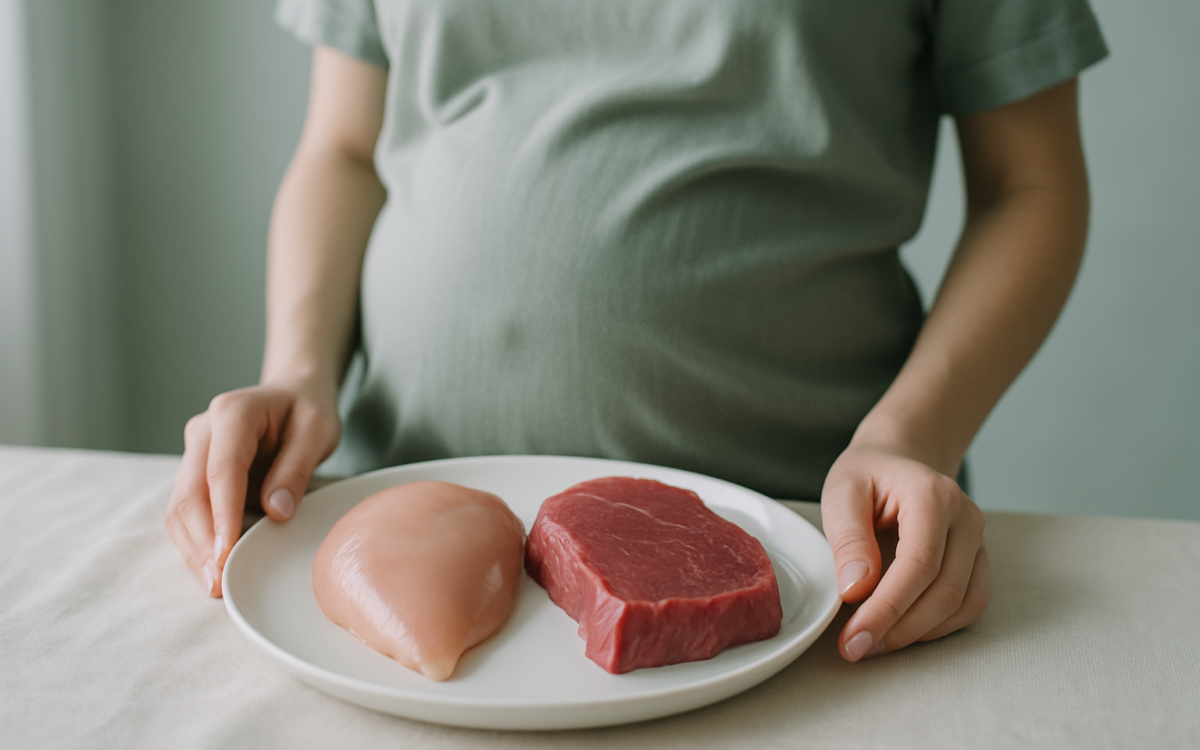
Growing a new life is a beautiful and transformative experience, and nutrition plays a vital role in ensuring both mom and baby remain healthy throughout the journey. Among various dietary options, lean meats stand out as an excellent source of protein, essential nutrients, and vital amino acids. As you navigate meal planning during pregnancy, understanding the benefits of lean meats can help you make informed choices that contribute to a healthy pregnancy.
Why Lean Meats Matter
Lean meats are typically lower in saturated fats compared to their fatty counterparts. This characteristic is especially important during pregnancy when nutritional needs change significantly. Adequate protein intake is crucial, as it supports the growth of fetal tissues, including the brain. It also helps build the placenta, which is essential for the baby’s nutrition.
The Key Nutrients in Lean Meats
Lean meats provide several essential nutrients that are critical during pregnancy:
- Protein: Lean meats like chicken, turkey, and certain cuts of beef and pork are excellent sources of protein, which helps in building and repairing tissues.
- Iron: Iron-rich meats such as beef and poultry are important for preventing anemia, a condition where you lack enough healthy red blood cells to carry adequate oxygen to your body.
- Zinc: This mineral is vital for immune system support and cellular growth, making it important during pregnancy.
- Vitamin B12: Essential for brain development in the fetus, vitamin B12 is abundant in meats and also aids in the formation of red blood cells.
Choosing the Right Lean Meats
When it comes to selecting lean meats, there are several options that can easily be included in your meals:
- Chicken and Turkey: Skinless chicken breast and turkey are among the leanest options, providing high-quality protein without excess fat.
- Lean Cuts of Beef: Look for cuts labeled as “lean” or “extra lean.” Sirloin, tenderloin, and eye of round are excellent choices.
- Pork: Cuts like pork loin and tenderloin offer a lean alternative. Remember to remove visible fat to reduce saturated fat intake.
- Fish: While not meat in the traditional sense, select fish are great sources of lean protein. Choose low-mercury options like salmon and cod.
Cooking Methods to Keep Meals Healthy
The way you prepare lean meats can affect their healthfulness too. Here are some tips for healthier cooking:
- Grilling or Baking: These methods require little to no added fat and help retain the natural flavors of the meat.
- Steaming: Steaming can keep meats tender without adding more calories.
- Avoid Fried Options: Frying tends to add unnecessary oils and fats, which can make the dish less healthy.
Pregnancy-Safe Considerations
While lean meats are beneficial, it’s important to ensure they are safe for consumption. Here are a few considerations:
- Cooking Temperatures: Always cook meats to safe internal temperatures. For example, chicken should be cooked to at least 165°F (74°C) and ground beef to 160°F (71°C).
- Avoid Processed Meats: Deli meats and hot dogs can carry bacteria like listeria, which is harmful during pregnancy. If you want to consume them, ensure they are heated until steaming hot.
- Fish Considerations: As some fish contain high levels of mercury, it’s crucial to limit your intake of high-mercury fishes such as swordfish and shark. Instead, opt for those lower in mercury.
Alternative Sources of Lean Protein
If you’re not a fan of meat or want to diversify your protein sources, there are plenty of plant-based options. These can complement or even replace meat in your diet:
- Legumes: Beans, lentils, and chickpeas are great sources of protein and fiber.
- Tofu and Tempeh: Rich in protein, these soy-based products can be used in various dishes.
- Nuts and Seeds: Almonds, chia seeds, and hemp seeds are excellent snack options and provide healthy fats.
When to See a Doctor
If you have dietary restrictions or have specific concerns about meat consumption during pregnancy, consult your healthcare provider. They can help tailor a diet that meets both your and your baby’s nutritional needs.
For more information on pregnancy nutrition, resources like the CDC and the Mayo Clinic offer valuable insights.
In summary, incorporating lean meats into your pregnancy diet can provide crucial nutrients required for both your health and your baby’s development. Make informed choices about what you eat, and don’t hesitate to reach out to your doctor for personalized guidance.
