
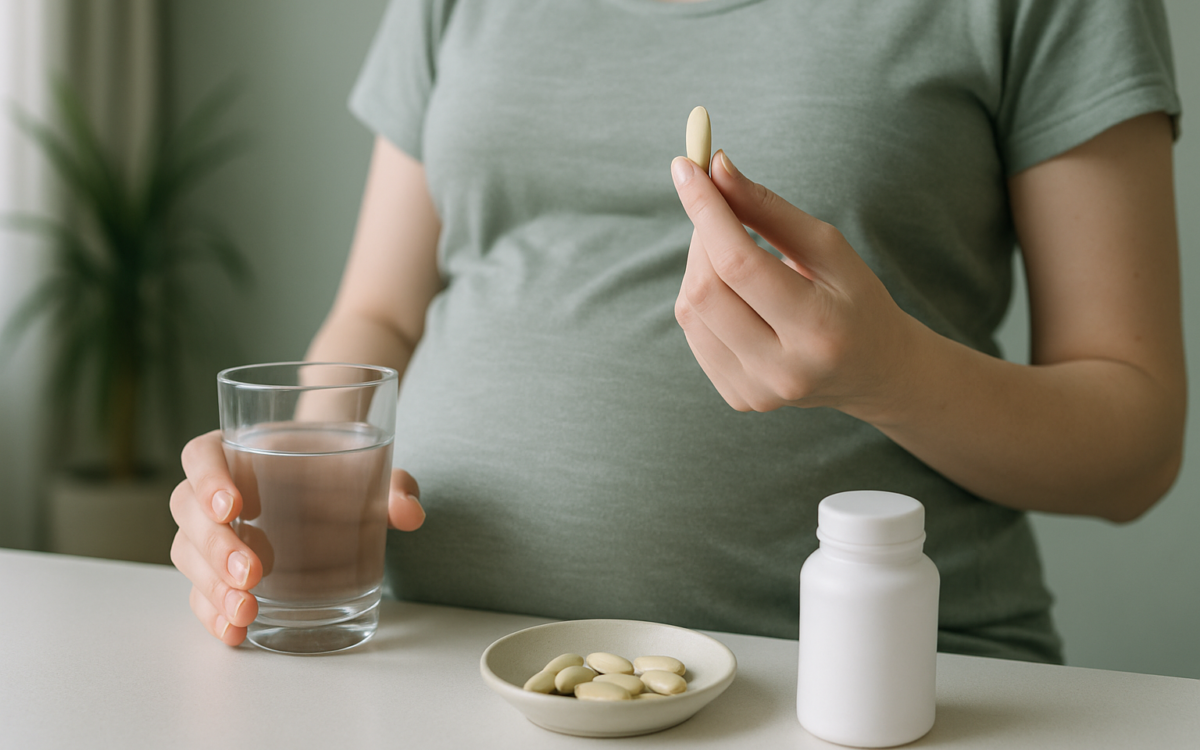
Pregnancy is a remarkable journey, marked by physical changes and emotional challenges. As a pregnant person, understanding your nutritional needs becomes crucial. Among these needs, vitamins play a vital role in supporting both maternal health and the developing fetus. In this article, we’ll explore the essential vitamins you should consider during pregnancy, their benefits, and how you can ensure you’re getting enough of them.
The Importance of Prenatal Vitamins
Prenatal vitamins are specially formulated supplements that provide essential nutrients to support a healthy pregnancy. While a balanced diet is critical, these vitamins help fill any gaps, ensuring you and your baby get the necessary nutrients. According to the National Institutes of Health (NIH), prenatal vitamins typically contain a mix of nutrients, including folic acid, iron, and calcium.
Key Vitamins for a Healthy Pregnancy
Different vitamins play unique roles during pregnancy. Here are some of the most important ones:
1. Folic Acid
Folic acid is a B vitamin that is crucial for fetal development, particularly for preventing neural tube defects. The Centers for Disease Control and Prevention (CDC) recommends that all pregnant people take 400 micrograms of folic acid daily, starting before conception and continuing through the first trimester.
2. Iron
Iron is essential for producing hemoglobin, which carries oxygen in the blood. During pregnancy, your blood volume increases, requiring more iron. A deficiency can lead to anemia, which may affect both you and your baby. The Mayo Clinic suggests that pregnant individuals aim for about 27 mg of iron per day.
3. Calcium
Calcium is important for building the baby’s bones and teeth. If you do not consume enough calcium during pregnancy, your body will take calcium from your bones to ensure your baby gets what it needs. Pregnant individuals should aim for about 1,000 mg of calcium each day, which you can obtain from dairy products, greens, and fortified foods.
4. Vitamin D
Vitamin D helps the body absorb calcium and is crucial for bone health. It also supports immune function. Pregnant individuals should aim for 600 IU (international units) of vitamin D daily. Sun exposure can help your body produce vitamin D, but depending on where you live, you might consider a supplement, especially during winter months.
Other Essential Nutrients
Aside from the key vitamins, several other nutrients are beneficial during pregnancy:
- Omega-3 Fatty Acids: Important for brain development.
- Vitamin C: Supports skin and connective tissue health while promoting iron absorption.
- B Vitamins: Help with energy production and red blood cell formation.
How to Incorporate These Vitamins into Your Diet
While prenatal vitamins are a great way to ensure you’re getting enough of these nutrients, focusing on a diverse and balanced diet is just as important. Here are some suggestions:
- Eat a variety of fruits and vegetables: Aim for a colorful plate to ensure you get a range of vitamins.
- Choose whole grains: Foods like brown rice and whole grain bread are good sources of iron and B vitamins.
- Include dairy or alternatives: For calcium and vitamin D, aim for milk, yogurt, or fortified plant-based alternatives.
- Incorporate lean proteins: Foods like chicken, fish, eggs, and beans provide essential nutrients.
When to See a Doctor
If you’re pregnant or planning to become pregnant, it’s crucial to consult with your doctor about your vitamin and dietary needs. This is especially important if you have dietary restrictions, a history of vitamin deficiencies, or any health conditions that may affect your nutrition. Regular check-ups can ensure you and your baby stay healthy throughout the pregnancy.
Conclusion
Vitamins play a pivotal role in supporting a healthy pregnancy. By taking the right prenatal vitamins and consuming a balanced diet rich in essential nutrients, you can help ensure that both you and your baby thrive during this exciting time. Always consult with your healthcare provider to tailor your nutritional needs to your specific situation, paving the way for a healthy journey into motherhood.
