
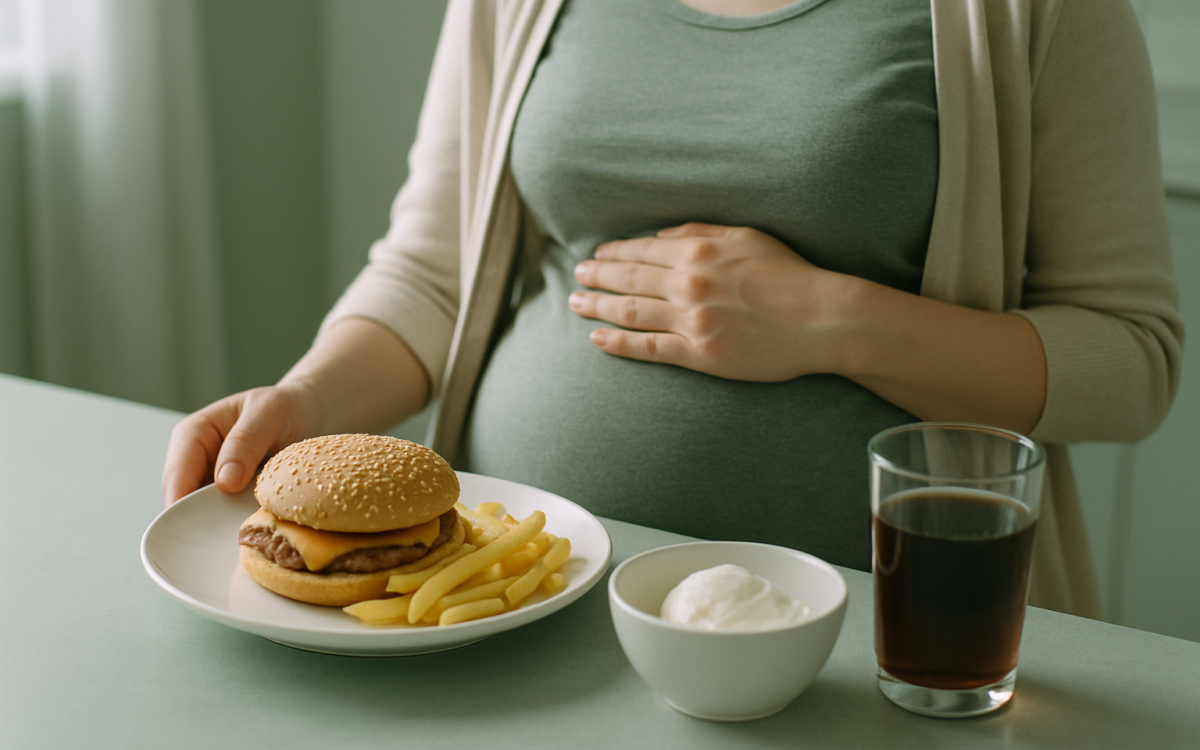
Pregnancy is a beautiful journey, but it comes with its own set of challenges, especially when it comes to nutrition. Eating well is essential for the health of both mother and baby. However, certain foods can pose risks during this delicate time. This article aims to illuminate what not to eat in pregnancy, helping you make informed choices for a safe and healthy nine months.
Raw or Undercooked Meats
It might be tempting to enjoy rare steaks or sushi made with raw fish, but these food items can carry harmful bacteria and parasites. Consuming raw or undercooked meats can lead to infections that can affect both the mother and the fetus. These infections can cause serious complications, such as miscarriage, premature birth, or severe illness in newborns.
Meats should always be cooked to safe temperatures. Ground meats should reach at least 160°F, while poultry needs to be cooked to a minimum of 165°F. Using a meat thermometer can help ensure you’re cooking your meals safely.
Unpasteurized Dairy Products
Milk, cheese, and other dairy products can be excellent sources of nutrients during pregnancy, but only if they are pasteurized. Unpasteurized dairy products may contain listeria, a type of bacteria that can cause severe infections. Listeriosis, an infection caused by listeria, can lead to miscarriage, preterm labor, and neonatal illness.
To stay safe, always choose pasteurized options for milk, cheese, and yogurt. Reading labels before purchasing dairy products can help you avoid risks.
Certain Fish High in Mercury
Fish can be a great source of omega-3 fatty acids and protein, but pregnant women need to be cautious about mercury levels. High-mercury fish, such as shark, swordfish, king mackerel, and tilefish, can harm the baby’s developing nervous system. The FDA suggests limiting fish intake to two to three servings per week, focusing on low-mercury options like salmon, shrimp, and catfish.
If you live in a country where fish consumption is common, you might have to navigate local markets and restaurants to ensure you’re choosing wisely. In some cases, seeking treatment in Turkey can also provide guidance on safe consumption of local seafood, focusing on what is best for both mother and baby.
Caffeinated Drinks
Caffeine can be tricky during pregnancy. High levels of caffeine have been linked to low birth weight and increased risk of miscarriage. Experts generally recommend limiting caffeine intake to about 200 mg per day, which is roughly equivalent to one 12-ounce cup of coffee.
However, caffeine isn’t just in coffee; it’s also in tea, soda, and chocolate. Evaluating all sources of caffeine can help you stay within recommended limits. Opt for decaffeinated options when possible, or herbal teas that are pregnancy-safe.
Processed Foods and Added Sugars
During pregnancy, it’s tempting to reach for quick and easy snacks, but highly processed foods can be loaded with added sugars, unhealthy fats, and empty calories. These foods can contribute to excessive weight gain, gestational diabetes, and other issues. Instead, focus on whole foods like fruits, vegetables, whole grains, and lean proteins that provide the nutrients you and your baby need.
A well-balanced diet rich in vitamins and minerals can help support a healthy pregnancy and reduce complications for both you and your baby.
Alcoholic Beverages
One of the most critical things to avoid during pregnancy is alcohol. No amount is considered safe, and consuming alcohol can lead to Fetal Alcohol Spectrum Disorders (FASDs), which can cause lifelong physical, behavioral, and intellectual disabilities. It’s best to abstain from alcohol entirely throughout the pregnancy.
Staying clear of alcoholic drinks ensures your baby’s health is prioritized. Instead, explore non-alcoholic alternatives to enjoy while relaxing or socializing.
When to See a Doctor
If you have any questions or concerns about your diet during pregnancy, it’s essential to talk with your healthcare provider. They can offer personalized nutritional advice, address your specific health needs, and help you navigate any challenges you may face regarding food choices.
Conclusion
Understanding what not to eat during pregnancy is an important aspect of ensuring the health and well-being of both you and your baby. By avoiding risky foods and opting for nutritious alternatives, you set the stage for a safer and healthier pregnancy. Always consult your doctor if you have any concerns about your diet or health during this special time.
