
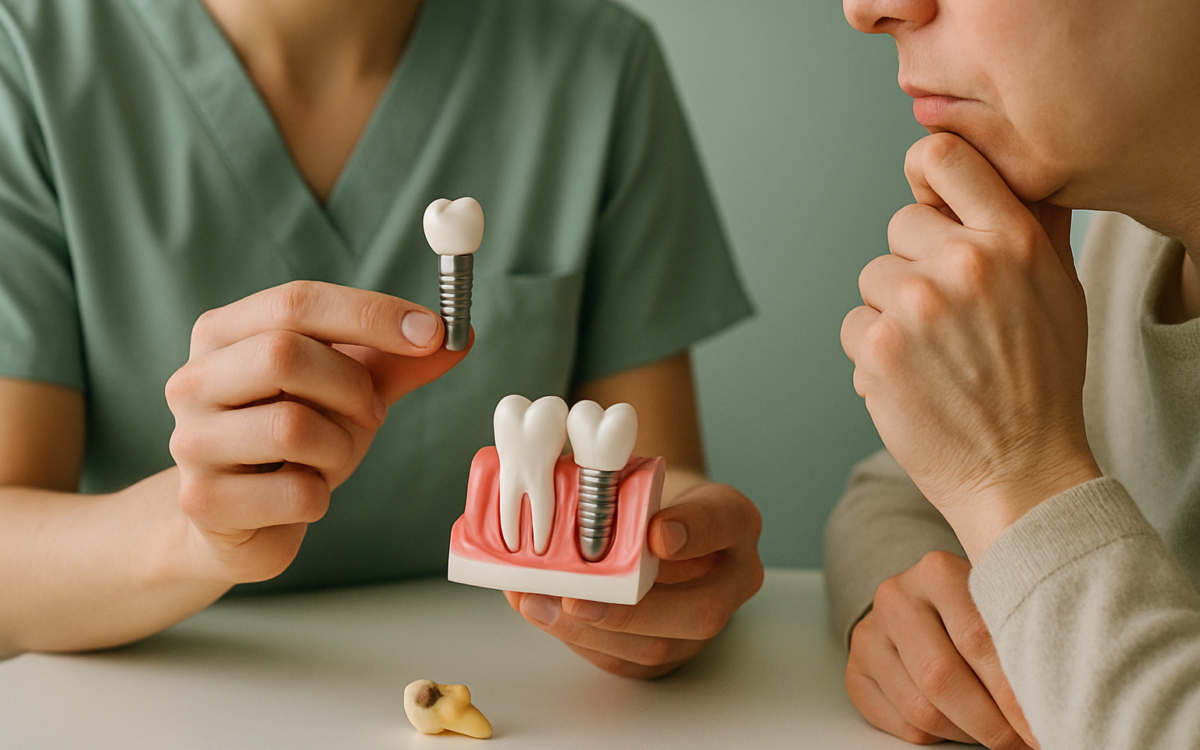
Dental implants are often viewed as the golden standard for replacing missing teeth, offering a durable and aesthetically pleasing solution. However, like any medical treatment, they aren’t the best fit for everyone. Before committing to this surgical procedure, it’s essential to weigh the pros and cons carefully. Let’s explore some reasons why you might reconsider dental implants as your tooth replacement option.
1. Financial Investment
One of the most significant barriers to getting dental implants is their cost. Dental implants can be a hefty financial commitment, sometimes ranging from $3,000 to $4,500 per implant, depending on various factors like location and the dentist’s expertise. This price typically doesn’t include additional procedures, such as bone grafting or sinus lifts, which may be necessary to prepare your mouth for implants. For some, this expense is prohibitive, especially if dental insurance doesn’t cover much of it.
2. Surgical Risks
As with any surgical procedure, getting dental implants comes with inherent risks. Potential complications may include:
- Infection at the implant site
- Nerve damage leading to pain or numbness
- Sinus problems if implants are placed in the upper jaw
While many dental professionals work to minimize these risks, complications can still occur and may sometimes lead to the need for additional surgeries. For more information on surgical risks, you can refer to [Mayo Clinic](https://www.mayoclinic.org/).
3. Healing Process and Time Commitment
The journey to a complete dental implant can be lengthy. After the initial surgery, you may need to wait several months for the implant to integrate properly with your jawbone. This process, called osseointegration, can take anywhere from 3 to 6 months. During this time, you may have to manage temporary solutions like dentures or bridges, which can be uncomfortable and inconvenient. If you’re looking for a quick fix to your dental issues, the long healing time can be a significant drawback.
4. Not Suitable for Everyone
Certain health conditions can make dental implants less suitable or even unfeasible. Some factors include:
- Chronic diseases: Conditions like diabetes, osteoporosis, or autoimmune disorders can affect healing and lead to complications.
- Smoking: Tobacco use has been shown to negatively impact healing and increase the risk of implant failure.
- Insufficient bone density: If you do not have adequate bone in your jaw to support the implant, you might require bone grafting, which adds another level of complexity to the process.
For accurate assessment, consult trusted sources such as the [National Institute of Dental and Craniofacial Research](https://www.nidcr.nih.gov/).
5. Lifestyle and Maintenance Considerations
Dental implants require a commitment to good oral hygiene and regular dental check-ups to ensure their longevity. If you struggle with maintaining oral health or visit the dentist infrequently, implants may not be the right choice for you. In addition, lifestyle choices such as heavy alcohol consumption or lack of a balanced diet can impact the success of dental implants.
6. Aesthetic Concerns
While dental implants can offer a natural appearance, they may not be the best option for everyone based on individual preferences. Some people may prefer alternatives like bridges or dentures for aesthetic reasons, especially if they are seeking a removable solution. Consulting with your dentist about your specific needs can help you explore all of your options.
When to see a doctor
If you’re considering dental implants, consult with your dentist or oral surgeon about your overall health, dental needs, and treatment options. If you already have an existing implant and are experiencing discomfort, pain, or signs of failure, it’s essential to seek professional advice promptly.
In conclusion, while dental implants are a popular solution for tooth replacement, they might not be the best choice for everyone. Factors such as cost, surgical risks, healing time, and lifestyle habits must be considered carefully. Making an informed decision involves discussing these aspects with your dental health provider, ensuring you choose the option that best fits your life and health journey.
