
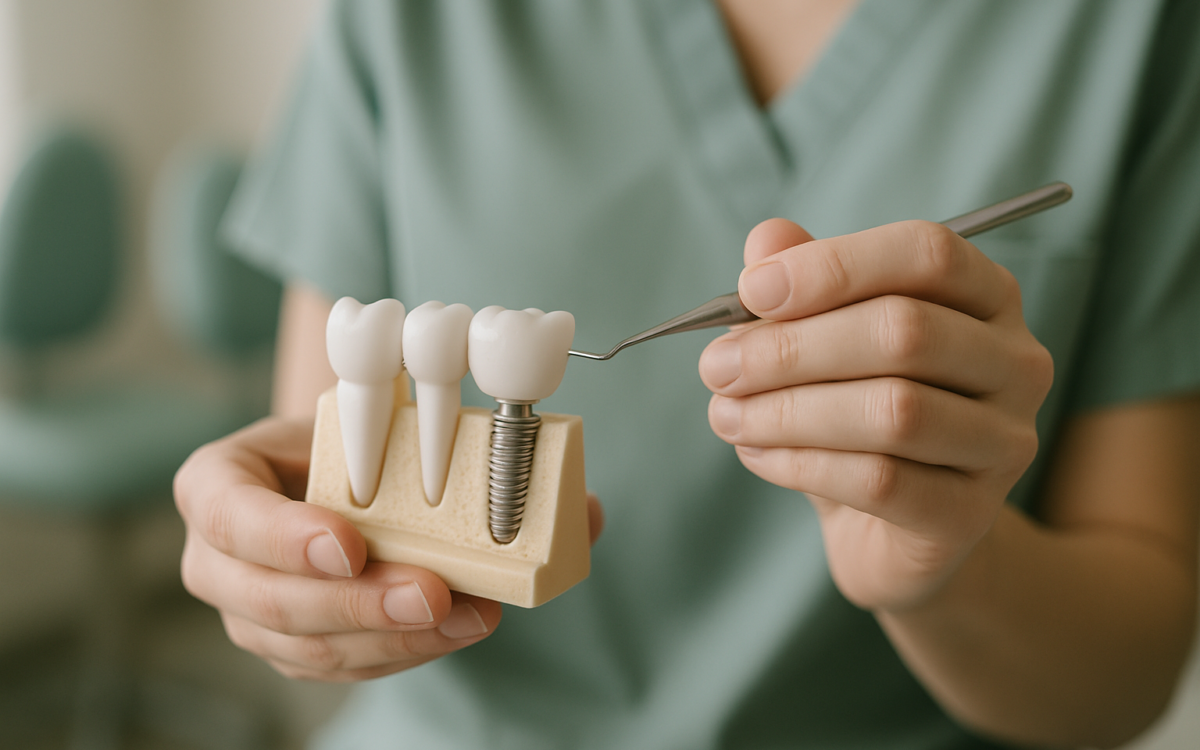
When it comes to improving your smile and oral health, dental implants often stand out as a reliable solution. This popular treatment can help restore your confidence and functionality after tooth loss. But have you ever wondered who is qualified to perform such intricate procedures? Knowing what type of dentist does implants is essential for making an informed choice for your dental care.
Types of Dentists Who Can Perform Implants
Dental implants require specialized knowledge and skills. Not every dentist is alike, and the roles can vary widely. Here’s a look at the main types of dental professionals who may handle dental implants:
General Dentists
Many people are surprised to learn that general dentists can place dental implants. After receiving additional training and experience, some general dentists become qualified to perform this procedure. They can guide you through the implant process, from initial consultation to placement.
Pros and Cons
- Pros: More accessible and may provide a full range of dental services.
- Cons: Some general dentists may not have the same level of experience as specialists.
Oral Surgeons
Oral and maxillofacial surgeons are specialists who often handle complex dental procedures, including dental implants. They undergo extensive training beyond dental school, focusing on surgeries of the mouth, jaw, and face. This makes them highly qualified to place implants, especially in complicated cases.
What They Offer
- Expert surgical skill for complicated tooth extractions and implant placements.
- An understanding of facial anatomy, which can be crucial for implant success.
Periodontists
Periodontists focus on the health of your gums and surrounding tissues. Many periodontists are skilled in placing dental implants and might handle complex cases involving gum disease or bone loss. They can also provide ongoing care to ensure the health of the implant site.
Benefits of Choosing a Periodontist
- Extensive knowledge of periodontal health, crucial for implant success.
- Ability to perform bone grafts if necessary, which may be required for successful implants.
Prosthodontists
Prosthodontists specialize in restoring teeth. While they may not perform the surgical placement of implants, they often collaborate with oral surgeons or periodontists to design and place the crowns, bridges, or dentures that fit on top of the implants. Their expertise can ensure that your restoration looks natural and works well.
When to Consult a Prosthodontist
- After the implant has healed, for cosmetic restoration.
- If you need a more complex dental restoration.
How to Choose the Right Dentist
Choosing the right dentist for dental implants is essential for achieving the best results. Here are some factors to consider:
- Experience: Look for a dentist who has ample experience specifically with dental implants.
- Training: Ask about additional training or certifications in implantology.
- Reputation: Check reviews or ask for referrals from friends or family.
- Consultation: Take advantage of initial consultations to gauge your comfort level with the dentist.
Preparing for the Implant Procedure
Once you have chosen a dentist, you may need to undergo various assessments. These may include:
- X-rays or 3D imaging to evaluate your jawbone.
- Discussion of your overall dental health to determine feasibility.
- Consideration of lifestyle factors, like smoking, that could impact healing.
The Recovery Journey
Post-procedure care is essential for the success of dental implants. Your dentist will likely provide guidelines on how to care for your implant during the healing process, which can take several months. This healing phase is crucial for the implant to integrate properly with your jawbone.
When to See a Doctor
If you’re experiencing significant pain or discomfort during recovery, or if you notice unusual swelling or bleeding, it’s important to reach out to your dentist. Early intervention can prevent complications and ensure a smooth healing process.
Conclusion
Dental implants can be a game-changer for anyone struggling with tooth loss. By understanding what type of dentist does implants, you can make a well-informed decision about your dental care team. Whether you choose a general dentist, oral surgeon, periodontist, or prosthodontist, your comfort and confidence in their expertise are paramount. Remember, your smile is worth the right choice!
