
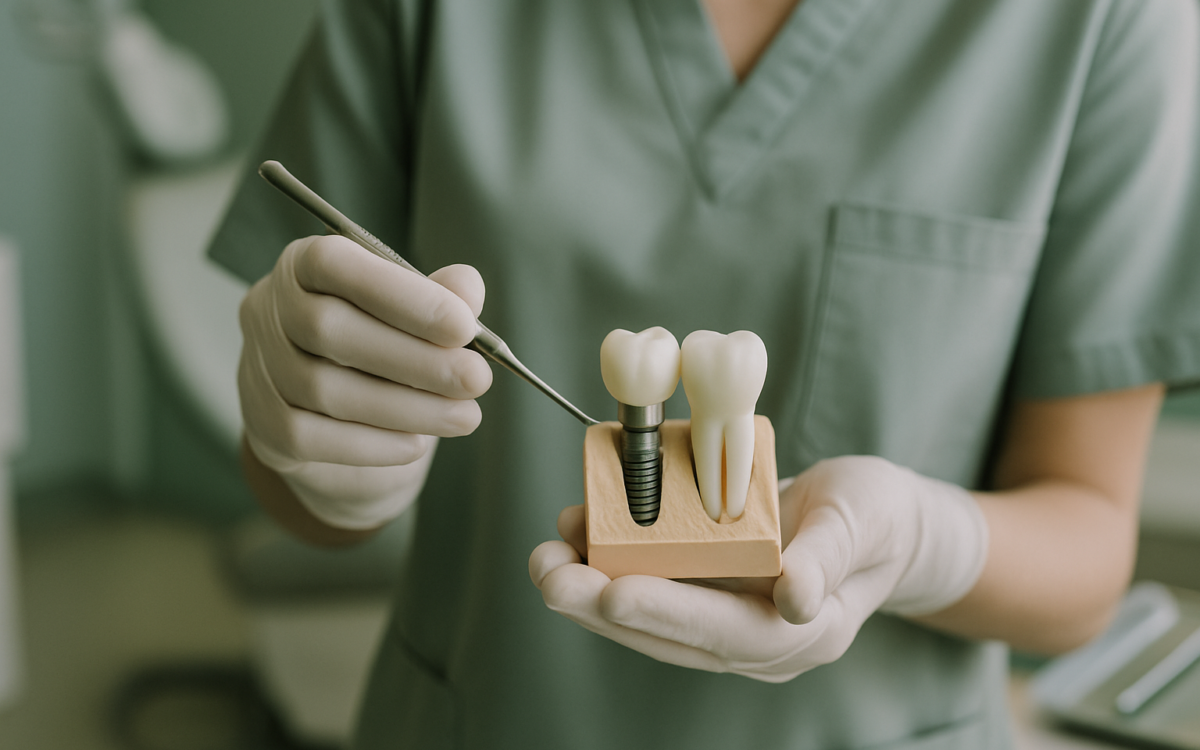
Dental implants can be a life-changing solution for those suffering from tooth loss. They offer a durable and natural-looking alternative to dentures or bridges. However, selecting the right dental implants provider is crucial for a successful outcome. This article aims to guide you through the factors to consider when choosing a provider and what you can expect from the implant process.
Understanding Dental Implants
Before diving into how to choose a provider, it’s necessary to understand what dental implants are. They are titanium posts surgically placed into the jawbone to act as artificial tooth roots. Over time, these implants bond with the bone through a process called osseointegration. After the healing period, a dental crown is placed on top, creating a tooth-like appearance.
The Importance of Experience
When it comes to dental implants, experience matters. A provider with extensive knowledge in implant dentistry understands the complexities of the procedure and can address any complications that arise. Be sure to inquire about the number of implants the provider has placed and how long they have been in practice.
Credentials and Certifications
Always check your dental provider’s qualifications. A reputable dental implants provider should have certifications from recognized boards, such as the American Board of Implant Dentistry. These credentials signal that the provider has undergone additional training and adheres to industry standards. Besides, specialists like oral surgeons or periodontists often have specialized training in placing implants.
Consultation Process
A quality dental implants provider should offer a comprehensive consultation before beginning any procedure. During this initial meeting, expect an evaluation of your oral health, along with a discussion of your medical history and any medications you are taking. A thorough examination, including X-rays or 3D scans to assess your jawbone, is crucial for developing a tailored treatment plan. Providers should also explain the benefits and risks of the procedure, so you can make an informed decision.
Patient Reviews and Testimonials
Patient reviews can provide insight into the experiences of others who have received dental implants from a provider. Look for reviews on independent platforms rather than just the clinic’s website. They can reveal essential information about the provider’s skill, the level of care, and patient satisfaction. Personal referrals from friends or family can also lead you to trustworthy providers.
The Technology Used
Advancements in dental technology can impact the quality and efficiency of implant procedures. Inquire about the technology the provider utilizes, such as digital imaging or computer-guided surgery. These tools can enhance precision and improve overall outcomes, which is particularly significant for those with complicated dental situations.
Cost Considerations
The cost of dental implants can vary widely based on location, implant materials, and the provider’s experience. Be sure to ask about the breakdown of fees, including any additional costs for consultations, bone grafts, or follow-up visits. Some providers offer financing options or work with insurance plans, which can ease the financial burden.
When to See a Doctor
If you have lost a tooth or multiple teeth and are considering dental implants, it’s essential to consult a dentist or oral surgeon who specializes in this area. Early consultation allows for better planning and may help you avoid more complex dental issues in the future.
Dental implants can significantly enhance your quality of life, providing a solution that feels and functions like natural teeth. By carefully considering the factors outlined above, you can select a dental implants provider who meets your needs and helps you achieve the smile you desire.
