
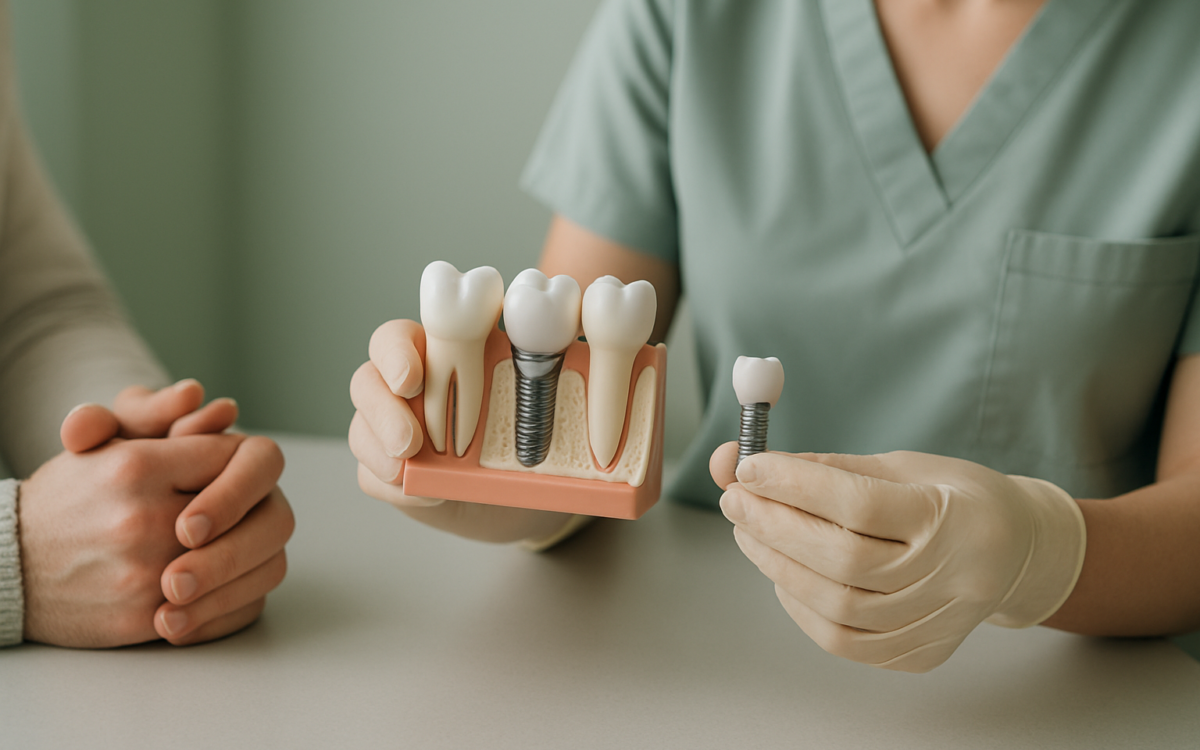
Dental implantation is a modern and effective solution for those who have lost one or more teeth. Unlike traditional dentures or bridges, implants offer a stable and permanent way to restore your smile. This article explores what dental implantation is, the process involved, its benefits, and tips for a smooth recovery.
What Are Dental Implants?
A dental implant is a small titanium post that acts as a replacement root for a missing tooth. It is surgically placed into the jawbone and ultimately integrates with the bone in a process called osseointegration. Once healed, it can support a crown, bridge, or denture, depending on your needs.
The Dental Implant Process
The process of getting dental implants typically involves several steps, which span several months:
- Consultation: Your journey begins with a consultation with a dental professional. They will assess your oral health and take X-rays to determine if dental implants are right for you. For more details on the assessment, you can refer to the NIH.
- Implant Placement: The dentist surgically places the implant into the jawbone. This step is performed under local anesthesia to minimize discomfort.
- Healing Period: After implant placement, a healing period of several months is needed for the bone to fuse with the implant. During this time, a temporary crown may be fitted if required.
- Abutment Placement: After healing, an abutment (a connector for the crown) is attached to the implant. This also requires minor surgery.
- Crown Placement: Finally, a custom-made crown is placed on the abutment, completing the process.
Benefits of Dental Implants
Dental implants have become increasingly popular due to their numerous benefits. Here are some key advantages:
- Improved Functionality: Implants function like natural teeth, allowing you to eat, speak, and smile confidently.
- Long-lasting Solution: With proper care, dental implants can last a lifetime, making them a wise investment for your oral health.
- Preservation of Bone Structure: Unlike dentures, implants help preserve the jawbone by preventing bone loss that often occurs after tooth loss.
- No Impact on Adjacent Teeth: Implants do not require alteration of neighboring healthy teeth, which is common in traditional bridges.
Caring for Your Dental Implants
Once you have received your dental implants, maintaining good oral hygiene is crucial for their longevity. Here are some tips to care for your implants:
- Brush your teeth twice a day using a soft-bristled toothbrush and fluoride toothpaste.
- Floss daily, ensuring that you clean around the implant to prevent plaque buildup.
- Visit your dentist regularly for check-ups and professional cleanings.
- Limit sugary and acidic foods and beverages to prevent decay in your remaining teeth.
Potential Risks and Complications
While dental implants are generally safe, there are potential risks and complications to consider:
- Infection: As with any surgical procedure, there is a risk of infection at the implant site.
- Implant Failure: Sometimes, the implant may not properly bond with the bone, leading to failure.
- Nerve Damage: Poor placement of the implant can lead to nerve damage, resulting in pain or numbness.
Consulting with an experienced dental professional can help mitigate these risks.
When to See a Doctor
If you experience any of the following symptoms after receiving dental implants, it is important to consult your dentist:
- Persistent pain or discomfort
- Severe swelling or bleeding
- Signs of infection, such as fever or discharge
Your dental professional will be able to assess the situation and recommend appropriate treatment options.
Conclusion
Dental implantation is a transformative solution for regaining your smile and improving your quality of life. While it involves a surgical process and commitment to oral care, the long-term benefits make it a worthwhile investment. Always discuss your options and any concerns with a qualified dentist to ensure the best outcome for your dental health.
