
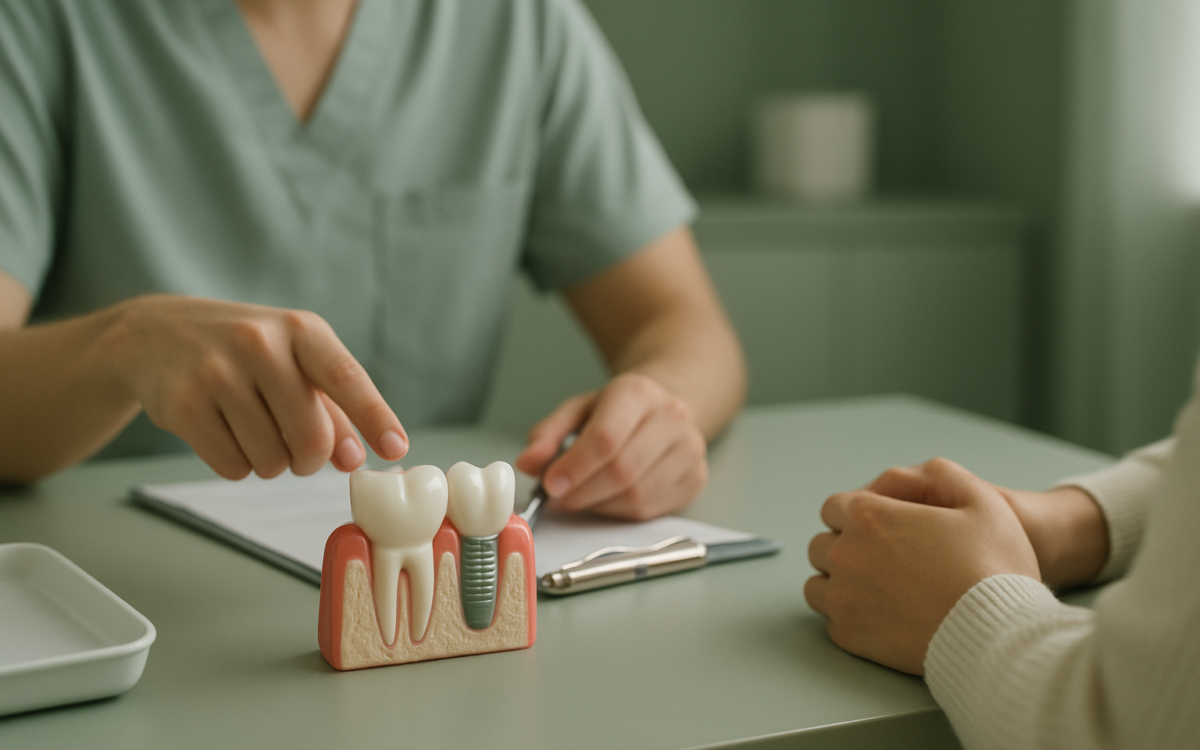
If you’re considering dental implants, cost can be one of the biggest concerns. You’re not alone. Many people seek effective treatments for tooth loss, but the price of dental implants can often be daunting. However, it is possible to find affordable dental solutions that meet both your budget and your health needs. In this article, we will explore what dental implants are, how much they typically cost, and ways to make them more affordable.
What Are Dental Implants?
Dental implants are fixtures placed in the jawbone to serve as a foundation for prosthetic teeth, specifically crowns, bridges, or dentures. They are designed to function like natural teeth and help preserve the jawbone’s integrity. According to the National Institutes of Health, dental implants can significantly improve a person’s quality of life by enhancing the ability to eat and speak correctly.
Understanding the Cost of Dental Implants
The cost of dental implants can vary widely, typically ranging from $1,500 to $6,000 per implant. This price often depends on several factors:
- Location: The cost of dental services can differ greatly by region.
- Implant Type: There are various types of implants, and some may be more costly depending on the material and technology used.
- Your Dentist: Specialists like oral surgeons or periodontists may charge more than general dentists.
- Additional Procedures: If you need bone grafts or extractions before the implant, that will add to the total cost.
In most cases, a full dental implant procedure, including the crown, can range between $3,000 and $4,500.
Insurance Coverage and Payment Plans
Many dental insurance plans offer coverage for dental implants, though benefits can vary. Typically, insurance will cover a portion of the costs associated with implants, especially if they are deemed medically necessary.
When considering how to manage payments, check with your insurance provider about what they will cover. Furthermore, many dental practices offer payment plans or financing options that allow you to spread the cost over several months. This way, you can manage your budget more effectively.
Finding Lower-Cost Options
Here are several strategies to explore when seeking affordable dental implants:
Dental Schools
Dental schools often have programs where students, supervised by experienced faculty, provide dental care at a significantly reduced cost. While the process may take longer, it can be an excellent way to save money.
Community Health Centers
Many community health centers offer dental services on a sliding fee scale based on your income. These centers provide necessary dental care, including implants, often at lower costs than private practice.
Discount Dental Plans
Consider enrolling in a discount dental plan. These plans usually charge an annual fee in exchange for reduced rates on various dental services, including implants. Such plans can lead to substantial savings.
Alternative Treatments for Tooth Loss
If dental implants are out of your budget, other options can replace missing teeth. Here are a couple of alternatives:
Dental Bridges
A dental bridge is a prosthetic device that uses neighboring teeth for support, filling the gap of a missing tooth. Bridges are generally less expensive than implants and can be effective for restoring chewing function.
Dentures
Full or partial dentures are removable appliances that replace missing teeth and surrounding tissues. They are typically more affordable than implants and can be a good short-term solution while you explore more permanent options.
Maintaining Your Oral Health After Implants
Once you’ve invested in dental implants, keeping them healthy is crucial. Regular check-ups, good oral hygiene practices, and a balanced diet play a significant role in the longevity of your implants.
As with natural teeth, maintaining the surrounding gum tissue is vital. According to the Mayo Clinic, brushing, flossing, and routine visits to your dentist will help ensure your implants remain stable and healthy for years to come.
When to See a Doctor
If you experience any pain, swelling, or discomfort around your dental implants, consult your dentist immediately. Signs of infection or implant failure need prompt attention to avoid complications.
As you consider your options for tooth replacement, remember that affordable dental implants can be within reach with the right planning and resources. Take the time to educate yourself on your choices, consider alternative funding options, and prioritize your dental health.
Your smile is worth it!
