
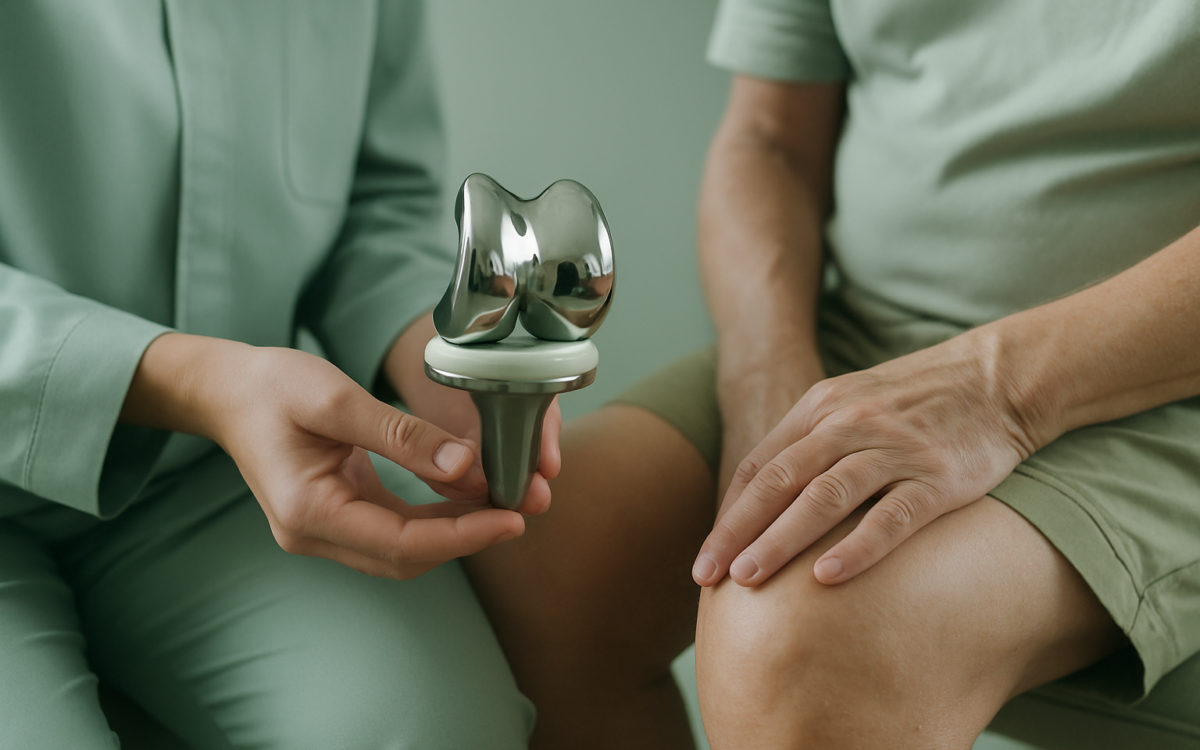
Knee pain can significantly affect your daily life, making even simple tasks feel daunting. One solution that is gaining popularity is the titanium knee replacement. This procedure has helped countless people regain mobility and reduce pain, enabling them to return to their normal activities.
What Is a Titanium Knee Replacement?
A titanium knee replacement involves surgically replacing damaged parts of the knee with prosthetic components made primarily of titanium, a strong and lightweight metal. The main goal of this surgery is to relieve pain and restore function in individuals with severe knee conditions, such as osteoarthritis, rheumatoid arthritis, or serious knee injuries.
Why Is Titanium Used?
Titanium is a preferred material for knee implants due to its biocompatibility, which means it is well-tolerated by the body. This metal reduces the risk of infection or rejection. Additionally, titanium’s ability to withstand wear makes it an excellent choice for individuals who lead active lifestyles. Its lightweight nature also helps to ease mobility for patients post-surgery.
The Procedure for Knee Replacement
The surgery typically involves the following steps:
- Anesthesia: Patients are usually given general or regional anesthesia to ensure comfort during the procedure.
- Incision: A surgeon makes an incision along the front of the knee to access the joint.
- Removing Damaged Tissue: The damaged bone and cartilage are removed from the knee joint.
- Implant Placement: The titanium prosthetic components are carefully positioned in the knee joint.
- Closure: The incision is closed with stitches or staples, and a bandage is applied.
Recovery After Titanium Knee Replacement
Recovery from a titanium knee replacement varies from person to person. However, there are common stages most patients experience:
Initial Recovery
In the immediate aftermath of the surgery, patients may stay in the hospital for a few days. Pain management and physical therapy often begin within 24 hours of the procedure. Regular exercises will help strengthen the knee and improve flexibility.
Home Care
Once discharged, it’s crucial to follow your doctor’s care instructions, which might include:
- Resting the knee and keeping it elevated
- Using ice packs to reduce swelling
- Performing prescribed exercises to aid in recovery
Many patients notice a significant reduction in pain within weeks. However, it can take several months for full recovery and optimal use of the newly replaced knee.
International Treatment Options
Some patients consider traveling internationally for their titanium knee replacement due to factors like cost or access to experienced surgeons. One such destination is Acibadem International, which offers advanced orthopedic services. Seeking treatment abroad can be beneficial, but it’s essential to research and understand both the potential advantages and risks.
Potential Risks and Complications
Like any surgical procedure, a titanium knee replacement comes with risks. Some potential complications include:
- Infection
- Blood clots
- Implant failure or loosening
- Crepitus (a grinding sound when moving the knee)
Discussing potential risks with your healthcare provider before surgery can help set realistic expectations and prepare for an informed recovery plan.
Long-term Outlook
For many patients, a titanium knee replacement can last over 15 years, offering a significant improvement in quality of life. Regular follow-ups with your orthopedic surgeon ensure that the knee is functioning well and that the implant is stable.
When to See a Doctor
If you experience persistent or severe knee pain, swelling, or instability, it’s essential to consult with a doctor. Early intervention may help prevent more serious issues and lead to better overall outcomes.
A titanium knee replacement can be a life-changing procedure for those with significant knee pain. By understanding the process, recovery, and potential outcomes, you can make more informed decisions about your health and mobility.
