
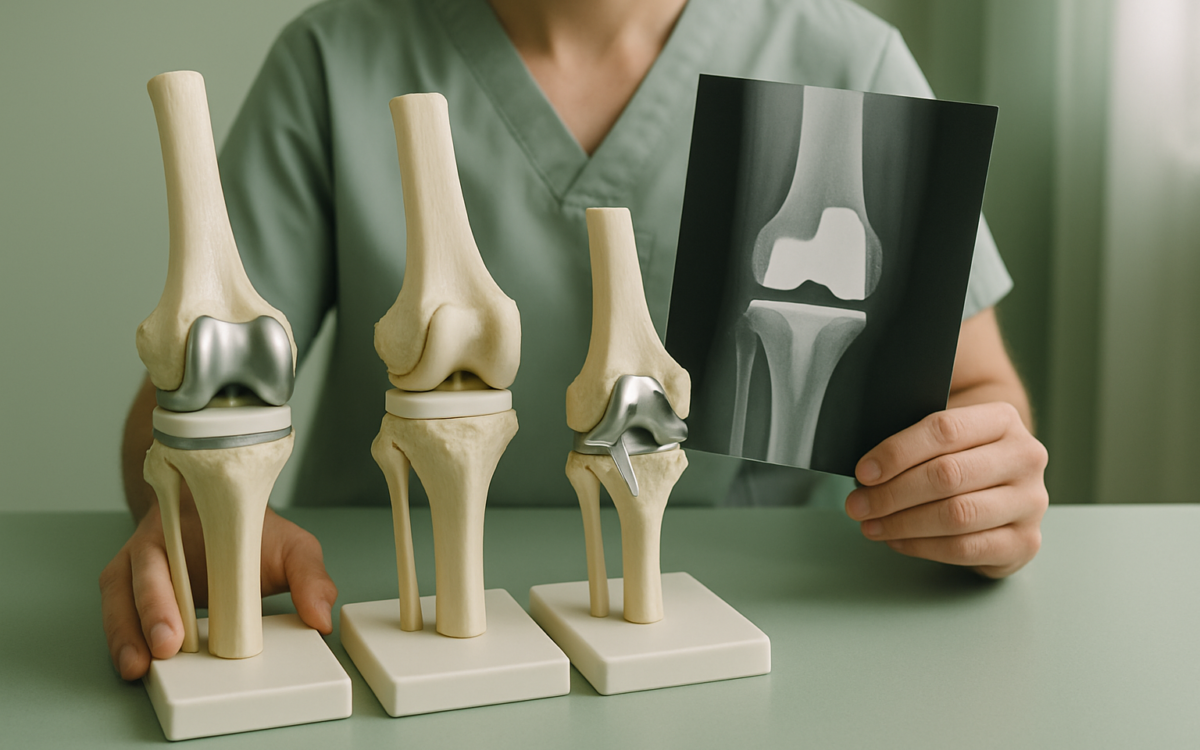
Knee pain can be a debilitating condition, affecting your daily life and limiting mobility. For those who have exhausted non-surgical treatment options, knee replacement surgery may offer a path to relief. This article will explore the different types of knee replacement procedures available today, highlighting their differences, benefits, and what you might expect from each one.
Total Knee Replacement
Total knee replacement (TKR), also known as total knee arthroplasty, is one of the most common types of knee surgery. This procedure involves the complete removal of damaged cartilage and bone from the femur (thigh bone), tibia (shin bone), and kneecap (patella). Surgeons then replace these with metal and plastic components designed to mimic the natural movement of the joint.
TKR is typically recommended for individuals suffering from severe osteoarthritis, rheumatoid arthritis, or knee injuries that have not improved with conservative treatments. Recovery can take several months, but most people find significant pain relief and improved mobility.
Partial Knee Replacement
Partial knee replacement (PKR) is another effective option for those with limited damage to one part of the knee. This procedure involves replacing only the affected compartment—either the inner, outer, or kneecap area—while preserving the healthy parts of the knee. PKR can be performed with smaller incisions, often leading to a quicker recovery time.
This option is generally less invasive than TKR and may be suitable for people with less severe arthritis or those who do not have significant damage across all three compartments of the knee. As a result, many patients experience less pain and faster rehabilitation.
Revisional Knee Replacement
Sometimes, a knee replacement may not yield the expected results, or complications may arise over time. In these cases, a revisional knee replacement might be necessary. This procedure involves removing and replacing the original implant. Reasons for revision may include infection, implant wear, or changes in the bone structure surrounding the implant.
Revisional knee replacement is more complex than initial surgeries and often requires a longer recovery period. It’s important to consult with a surgeon who specializes in revision procedures to discuss the best approach and expected outcomes.
Robotic-Assisted Knee Replacement
Robotic-assisted knee replacement represents a growing trend in orthopedic surgery. This technique employs robotic systems to aid surgeons in positioning implants more accurately during both total and partial knee replacements. The assistance from robotic technology can enhance precision and may lead to better overall outcomes.
Many surgeons appreciate that robotic systems provide real-time data and imaging, allowing for customized solutions tailored to each patient’s unique anatomy. Research has shown that patients may experience less pain and quicker recovery times with this technique compared to traditional methods.
Biologic Joint Replacement
Aside from the mechanical options, biologic joint replacement is an innovative area still under investigation. This type of procedure involves using biological materials—like cells or growth factors—aimed at regenerating damaged knee tissue instead of replacing it with synthetic materials. This field is rapidly evolving, making it an exciting prospect for future treatments.
Currently, biologic options may be more directed at younger patients who have specific conditions or degenerative diseases where preservation of the natural joint is favorable.
Choosing the Right Type of Knee Replacement
Deciding on the type of knee replacement is not a one-size-fits-all matter. Factors to consider include the extent of joint damage, overall health, activity level, and personal preferences. It is vital to have an open discussion with your orthopedic surgeon about the various options to determine which procedure is best suited for your needs.
- Consider your age and activity level.
- Assess the severity of your knee condition.
- Look into the possible recovery times for each procedure.
- Discuss your long-term goals and expectations.
When to See a Doctor
If you are experiencing persistent knee pain that interferes with daily activities or if you notice swelling, stiffness, or difficulty walking, it’s important to consult a healthcare professional. Early diagnosis and intervention can lead to better outcomes and more treatment options.
Conclusion
There are various types of knee replacement options available, each tailored to address specific conditions or levels of joint damage. Understanding these options can empower you to make informed decisions about your health. Always discuss your concerns and treatment possibilities with a qualified medical professional who can guide you based on your individual circumstances.
For further information, resources like the National Institutes of Health and the Mayo Clinic provide extensive data on knee replacements and post-operative care.
