
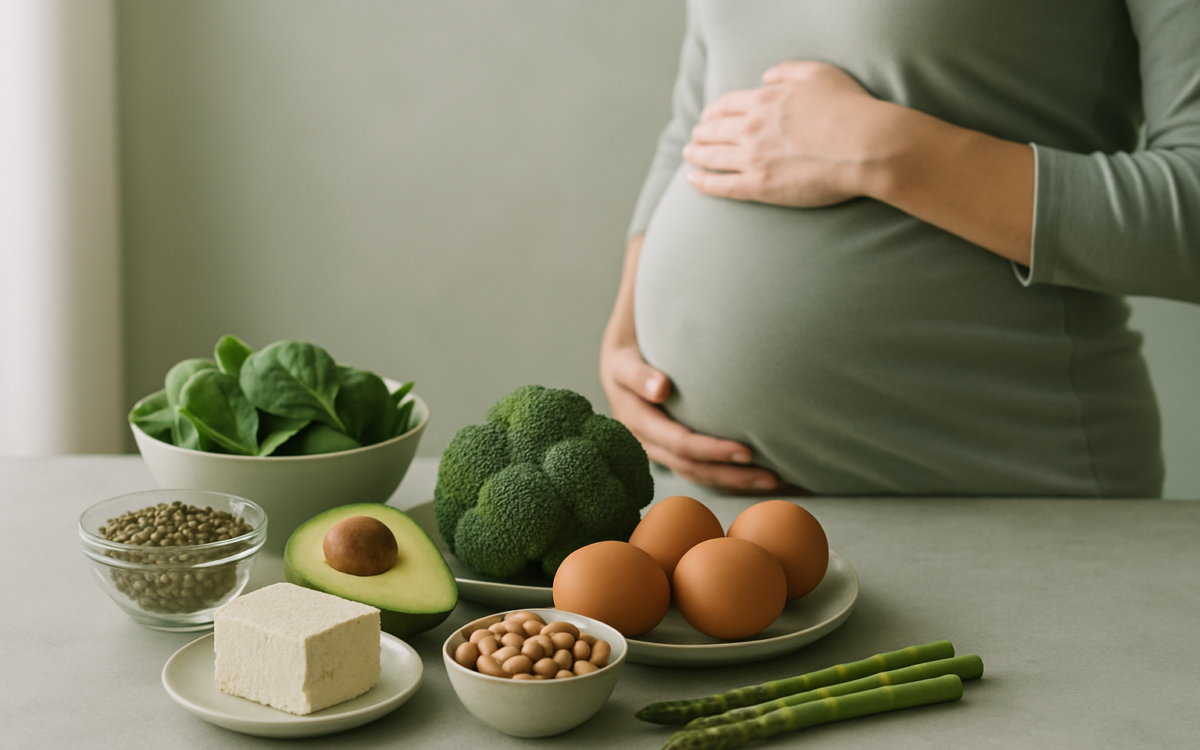
Pregnancy is an incredible journey filled with excitement and anticipation. Along with preparing a nursery and attending prenatal classes, it’s equally important to pay attention to your diet. One vital nutrient to focus on is folic acid, a type of B vitamin that plays a crucial role in fetal development. In this article, we’ll explore various folic acid foods for pregnancy to help you nourish both yourself and your growing baby.
Why Folic Acid Matters During Pregnancy
Folic acid, or vitamin B9, is essential for everyone, but its importance becomes even more pronounced during pregnancy. It is vital for the formation of DNA and is crucial in cell division. For pregnant individuals, adequate folic acid intake can significantly reduce the risk of neural tube defects, which are serious birth defects affecting the brain and spine.
The Centers for Disease Control and Prevention (CDC) recommends that all women of childbearing age consume 400 micrograms of folic acid daily, ideally starting before conception. This advice stems from the understanding that many neural tube defects occur in the early weeks of pregnancy, often before a woman knows she is pregnant. Sufficient folic acid intake during pregnancy is not only important for preventing defects but also supports a healthy pregnancy overall.
Top Folic Acid Foods for Your Pregnancy Diet
Integrating folic acid-rich foods into your pregnancy diet is an excellent way to ensure you meet your daily needs. Here are some top food sources to consider:
- Leafy Greens: Vegetables like spinach, kale, and collard greens are abundant in folate. Aim to include them in your salads, smoothies, or cooked dishes.
- Legumes: Beans, lentils, and peas are fantastic sources of folate. They can be added to soups, stews, or served as a side dish.
- Fortified Cereals: Many breakfast cereals are fortified with folic acid. Check the labels when shopping to find those with the highest content.
- Citrus Fruits: Oranges, grapefruits, and lemons are not just refreshing; they also contain good levels of folate. Try adding orange slices to your morning oatmeal or enjoy a glass of fresh orange juice.
- Nuts and Seeds: Nuts, particularly almonds and sunflower seeds, are nutritious snacks that can help you increase your folate intake.
- Avocado: This creamy fruit is not only delicious but also provides a good source of folate. Enjoy it sliced in salads or mashed on whole-grain toast.
How Much Folic Acid Do You Need?
During pregnancy, the recommended daily intake of folate increases to about 600-800 micrograms. This can be achieved through a combination of dietary sources and prenatal vitamins. It’s essential to talk with your healthcare provider about how to meet your folic acid requirements, especially if you have dietary restrictions, such as vegetarianism or gluten intolerance.
In addition to food, consider a prenatal vitamin that contains folic acid to ensure you’re covering your bases. The National Institutes of Health (NIH) provides comprehensive guidelines for prenatal nutrition, which can be a helpful resource during this time (NHLBI).
Addressing Common Myths About Folic Acid
With so much information about nutrition and pregnancy, myths can sometimes cloud the truth about folic acid. One common myth is that you can get enough folic acid from diet alone. While it’s possible, many individuals may still fall short of the recommended daily intake. This is why prenatal vitamins are so beneficial.
Another misconception is that folic acid only matters in the early stages of pregnancy. While it is critically important during the first trimester, it’s also beneficial throughout your pregnancy, supporting overall metabolic needs.
Easy Ways to Incorporate Folic Acid Foods
Incorporating folic acid foods into your everyday diet can be simple and enjoyable. Here are a few ideas:
- Breakfast: Start your day with a bowl of fortified cereal topped with sliced bananas and a sprinkle of nuts.
- Lunch: Toss together a vibrant salad with spinach, chickpeas, and avocado, topped with your favorite vinaigrette.
- Dinner: Make a hearty lentil soup or a stir-fry with broccoli and quinoa, seasoned with herbs and spices.
- Snacks: Keep citrus fruits and nut mixes handy for quick snacks throughout the day.
By incorporating these foods and meals into your routine, you’ll be supporting a healthy pregnancy while enjoying tasty and nutritious dishes.
When to See a Doctor
If you have concerns about your folic acid intake or overall nutrition during pregnancy, it’s a good idea to consult your healthcare provider. They can provide personalized recommendations based on your individual health needs and dietary preferences. Don’t hesitate to reach out if you have worries or questions about your pregnancy nutrition.
Conclusion
Eating a balanced diet rich in folic acid is a vital part of a healthy pregnancy. By including a variety of folate-rich foods, you can support your own health and the development of your baby. Remember that every pregnancy is unique, and consulting with your healthcare provider can help ensure you’re taking the right steps for your specific situation. Embrace this journey with confidence, knowing you are nourishing your body and your baby with each healthy bite!
