
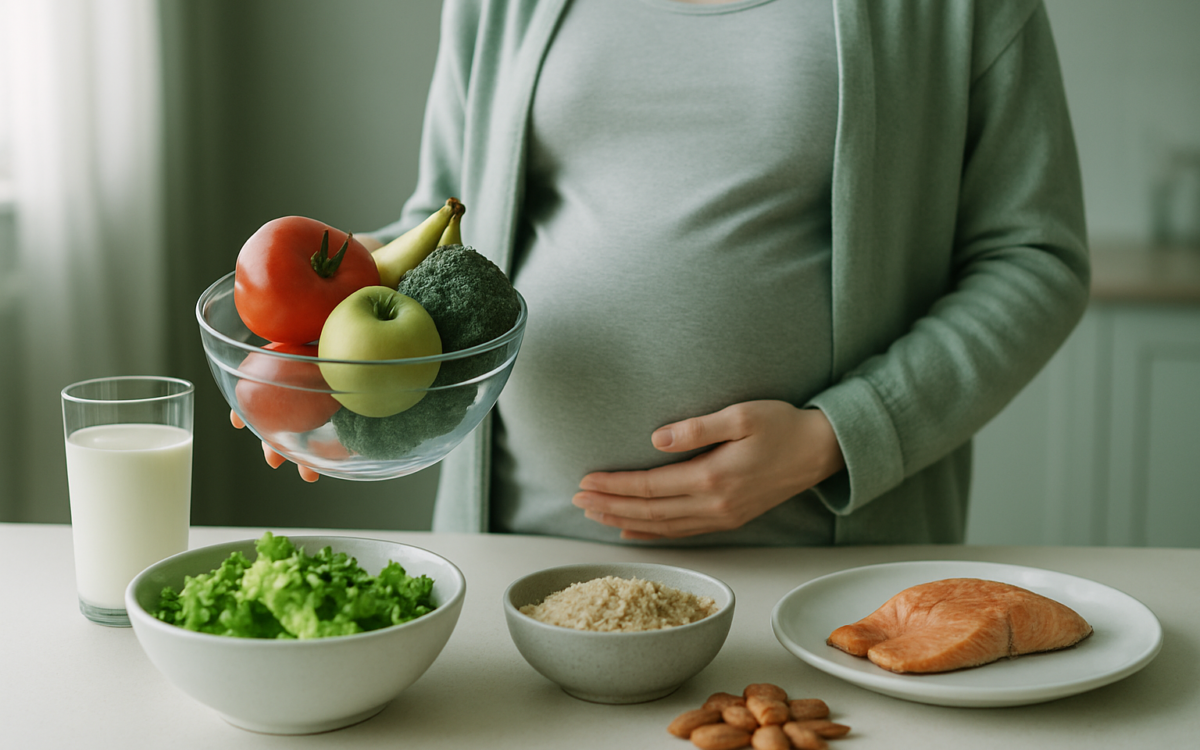
Pregnancy is one of the most exciting and transformative times in a woman’s life. As an expectant mother, your body undergoes significant changes, and nutrition plays a vital role in ensuring both your health and the development of your baby. Knowing what foods to incorporate into your diet can feel overwhelming, but with the right information, you can make nourishing choices that will benefit you both.
Understanding the Nutritional Needs
During pregnancy, your nutritional needs expand. However, not just any food will do; you need specific nutrients to support your growing baby. Key nutrients include:
- Folic Acid: Essential for preventing neural tube defects, found in leafy greens, beans, and fortified cereals.
- Iron: Important for preventing anemia, available in red meat, poultry, fish, and legumes.
- Calcium: Crucial for building your baby’s bones and teeth, found in dairy products, leafy greens, and fortified alternatives.
- Omega-3 Fatty Acids: Supports brain development, found in fatty fish, walnuts, and flaxseeds.
Building a Balanced Plate
Creating a balanced meal plate every day can help you ensure that you’re getting all the nutrients you need. Here’s a suggested breakdown:
- Fruits and Vegetables: Aim for half your plate. Opt for a variety of colors to obtain different nutrients. Berries, oranges, spinach, and carrots are excellent choices.
- Whole Grains: One quarter of your plate should be whole grains like quinoa, brown rice, or whole wheat bread. These provide necessary fiber and energy.
- Proteins: The remaining quarter can be filled with proteins. Lean meats, beans, and nuts are great sources.
Helpful Foods and Their Benefits
Incorporating certain foods into your diet can provide both you and your baby with beneficial nutrients:
Dairy Products
Dairy foods are rich in calcium and protein. Yogurt or cheese can also provide you with probiotics, which support gut health.
Energizing Whole Grains
Whole grains not only provide energy but also help prevent constipation, a common issue during pregnancy. Oats and whole grain breads are good options.
Leafy Greens
Vegetables like spinach, kale, and broccoli are nutrient-dense, offering fiber, vitamins A, C, and K, and essential minerals.
Healthy Fats
Including healthy fats in your diet can enhance your overall health. Avocados, nuts, and olive oil are beneficial choices.
International Perspectives on Prenatal Nutrition
Expectant mothers worldwide have unique dietary customs that are rooted in cultural practices. If you are considering international patient services for prenatal care, it is important to understand how different cultures view nutrition during pregnancy. Diets can vary significantly, from the Mediterranean emphasis on olive oil and fish to Asian cuisine’s focus on rice and vegetables. Keeping your dietary preferences and traditions in mind can help make your nutritional journey more enjoyable.
Foods to Avoid
While knowing what to eat is important, equally crucial is knowing what to avoid:
- Raw or Undercooked Fish and Eggs: Can harbor harmful bacteria.
- High-Mercury Fish: Such as shark and swordfish should be avoided, as they can be detrimental to your baby’s neurological development.
- Processed Foods: Often high in sugar, sodium, and unhealthy fats, these should be limited.
- Alcohol and Caffeine: It’s best to avoid alcohol altogether and limit caffeine intake.
Supplementing Wisely
While a well-balanced diet is the best way to get your nutrients, some expectant mothers may need supplements. Folic acid tablets are often recommended before and during pregnancy to reduce neural tube defects. Another common supplement is iron, especially if you have a history of anemia. Always consult your healthcare provider before starting any supplements, to ensure you’re taking the right amounts for your specific circumstances.
When to See a Doctor
If you are experiencing nausea, significant weight loss, or have concerns about your nutritional intake during pregnancy, consult with your healthcare provider. They can provide you with a personalized plan tailored to your needs.
Maintaining a healthy diet during pregnancy can feel daunting, but focusing on nourishing foods can help you and your baby thrive. Remember, every pregnancy is unique, so take the time to learn what works best for you, and don’t hesitate to ask questions at your next appointment.
