
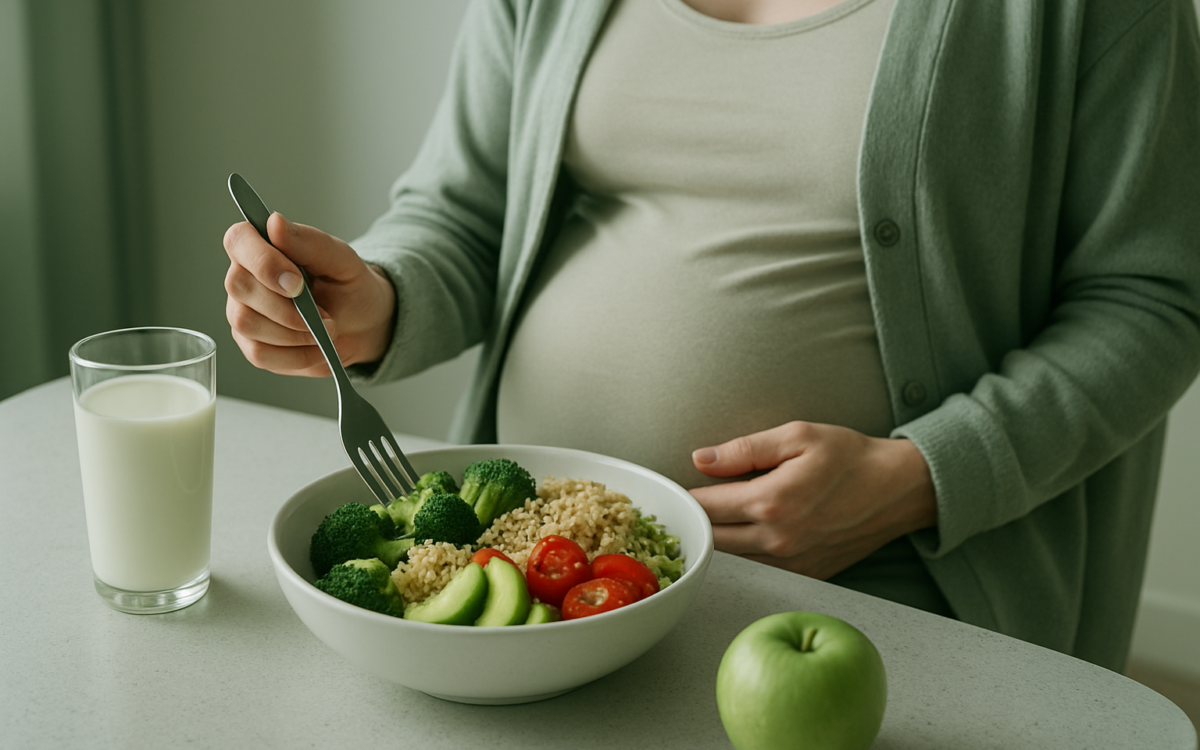
Pregnancy is a time of incredible change and growth, both for you and your baby. One of the most powerful ways to support this journey is through the foods you choose to eat. Proper nutrition during pregnancy is crucial for the health of both mother and child. Let’s dive into the types of foods that can help you nourish your body and provide the essential nutrients needed for your baby’s development.
1. Fruits: Nature’s Sweet Snacks
When it comes to pregnancy, fruits are packed with vitamins, minerals, and fiber. They are a delicious way to boost your nutrient intake and keep you hydrated.
- Berries: Rich in antioxidants, vitamins C and K, and fiber, they can help reduce inflammation and promote healthy digestion.
- Bananas: A great source of potassium, bananas can help with muscle cramps and are easy to snack on.
- Oranges: Full of vitamin C and hydration, oranges are essential for boosting your immune system.
Including a variety of fruits in your diet can help ensure you’re getting a broad spectrum of essential nutrients. Aim for at least two servings of fruit a day during pregnancy.
2. Vegetables: Colorful and Nutrient-Dense
Vegetables are an integral part of a healthy pregnancy diet. They provide necessary vitamins and minerals and are low in calories.
- Dark leafy greens: Vegetables like spinach, kale, and chard are rich in iron, folate, and calcium, all vital for your baby’s growth.
- Sweet potatoes: They are a fantastic source of beta-carotene, which converts into vitamin A, essential for your baby’s eye development.
- Broccoli: Packed with vitamins C, K, and fiber, broccoli can enhance your immune function.
Try to include a variety of colors on your plate—this often indicates a range of nutrients. Aim for at least three servings of vegetables each day.
3. Whole Grains: Energy and Fiber
Your body needs extra energy during pregnancy to support your own metabolism and the rapid growth of your baby. Whole grains can provide the necessary calories, along with fiber and essential nutrients.
- Oats: A great source of complex carbohydrates and fiber, oats can help regulate blood sugar levels and keep you full longer.
- Quinoa: This grain is a complete protein and provides all nine essential amino acids, making it a fantastic dietary choice.
- Brown rice: It contains more nutrients than white rice and provides energy that can keep you active throughout your pregnancy.
Incorporate whole grains into your meals to promote steady energy levels and prevent constipation.
4. Protein: Building Blocks for Baby
Protein plays a crucial role in the development of your baby’s organs, muscles, and tissues. It is essential for maintaining your own health as well.
- Lean meats: Chicken, turkey, and lean cuts of beef are great sources of protein and iron.
- Fish: Opt for low-mercury fish like salmon and sardines, which provide omega-3 fatty acids important for brain development.
- Legumes: Beans, lentils, and peas are not only rich in protein but also contain fiber, iron, and folate.
Including a variety of protein sources in your diet can help you meet the increased needs during pregnancy. Aim for about 75-100 grams of protein daily.
5. Dairy: Calcium for Strong Bones
Dairy products are an excellent source of calcium, which is crucial for building your baby’s bones and teeth. They also provide protein and other essential nutrients.
- Milk: Aim for low-fat or non-fat options to get your calcium and vitamin D without excess calories.
- Yogurt: This is another great calcium source, and many varieties contain probiotics that are beneficial for gut health.
- Cheese: Choose options like mozzarella or cottage cheese for a healthy, protein-packed snack.
Incorporate dairy products into your daily meals to help meet your calcium needs, aiming for about three servings a day.
6. Healthy Fats: Essential for Development
Not all fats are created equal. Healthy fats are essential for your baby’s brain development and can keep you feeling satisfied.
- Avocados: They are high in monounsaturated fats, which are good for heart health, and packed with vitamins and minerals.
- Nuts and seeds: Almonds, walnuts, and chia seeds provide healthy fats, protein, and fiber, making them perfect snacks.
- Olive oil: Use it as a cooking oil or salad dressing to boost your intake of healthy fats.
Including a variety of healthy fats in moderation can help support long-term health for both you and your baby.
When to see a doctor
If you’re struggling with severe morning sickness, have questions about specific food safety during pregnancy, or have dietary restrictions and uncertainties about nutritional needs, consult your healthcare provider. They can guide you in making the best dietary choices for your pregnancy.
In conclusion, the foods you choose during pregnancy have significant impacts on your health and the health of your baby. By focusing on a well-rounded, nutrient-rich diet comprising fruits, vegetables, whole grains, proteins, dairy, and healthy fats, you can create a solid foundation for a healthy pregnancy. Remember to enjoy the journey of nourishing both yourself and your growing baby.
