
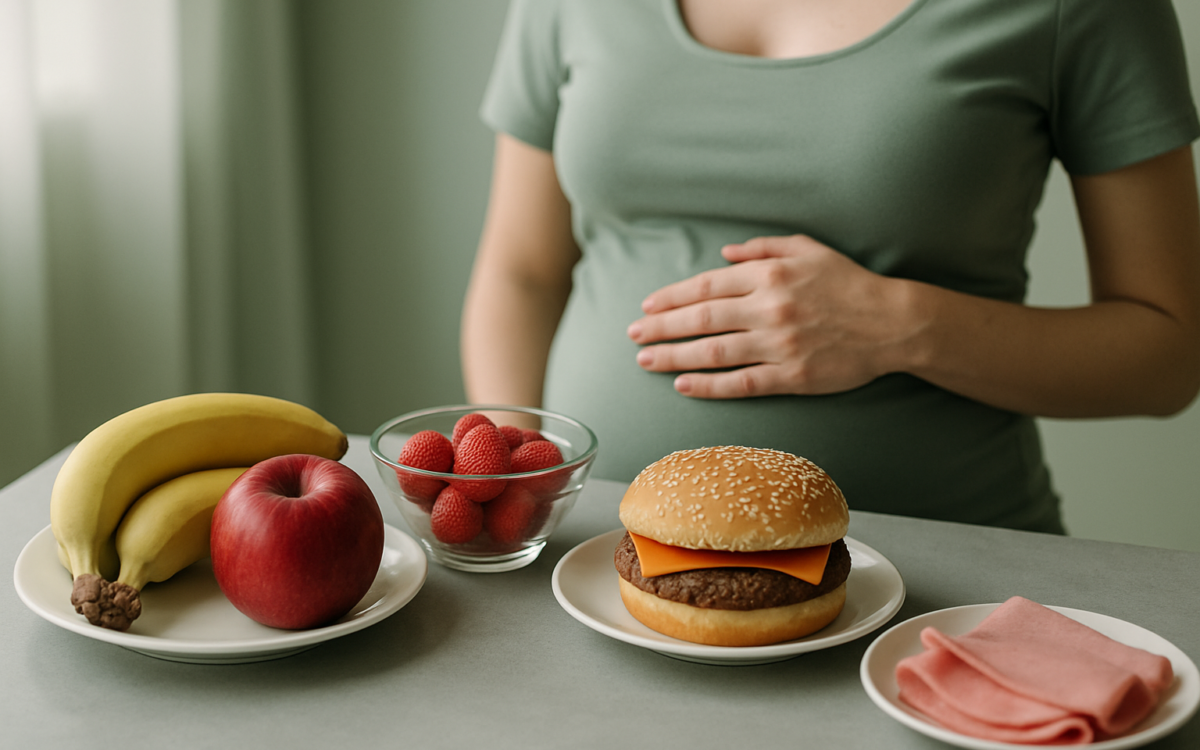
Pregnancy is a time of excitement and anticipation, but it also brings about many changes, especially in your nutritional needs. It’s essential to focus on what you eat, not just for your health but for the health of your growing baby. While many foods can support a healthy pregnancy, there are some that you should avoid to minimize risks to you and your baby. In this article, we will explore the foods and fruits you should steer clear of during pregnancy.
Raw and Undercooked Seafood
Seafood can be a great source of protein and omega-3 fatty acids, but it’s crucial to be cautious with how it’s prepared. Raw or undercooked seafood, including sushi, can harbor harmful bacteria and viruses that pose risks during pregnancy. The CDC advises that pregnant women should avoid these types of seafood in favor of thoroughly cooked options.
Unpasteurized Dairy Products
Dairy products like cheese can be a healthy addition to your diet, but be cautious with unpasteurized options. Foods made from unpasteurized milk may contain harmful bacteria such as Listeria, which can have serious consequences during pregnancy, including miscarriage or preterm labor. Always choose pasteurized dairy products to ensure safety.
Raw or Undercooked Eggs
Eggs are another excellent source of protein and other essential nutrients, but consuming them raw or undercooked can lead to exposure to Salmonella. Dishes that might contain raw eggs, such as homemade mayonnaise or certain dressings, should be avoided. Ensure that any eggs you consume are cooked until both the white and yolk are firm to reduce risk.
Certain Fish High in Mercury
Fish is generally a nutritious choice during pregnancy, but you should be selective. Certain fish, like shark, swordfish, king mackerel, and tilefish, are known to have high levels of mercury, which can harm your baby’s development. In contrast, fish like salmon, sardines, and shrimp are safer to consume. The FDA provides guidelines on safer fish choices during pregnancy.
Excessive Caffeine
Caffeine is commonly found in coffee, tea, chocolate, and some sodas. While moderate caffeine consumption is generally considered safe during pregnancy, high levels can increase the risk of miscarriage and low birth weight. Most experts suggest limiting caffeine intake to about 200 milligrams per day (about one 12-ounce cup of brewed coffee). Always check with your healthcare provider regarding your personal limits.
Processed Junk Foods
While it can be tempting to indulge in processed and junk foods, they often contain high levels of sugar, unhealthy fats, and empty calories. Eating these foods can lead to unnecessary weight gain and nutrient deficiencies, impacting both your health and your baby’s development. Focus on whole foods, such as fruits, vegetables, whole grains, lean proteins, and healthy fats, to provide the nutrients you and your baby need.
Certain Fruits and Vegetables
While fruits and vegetables are vital in a healthy pregnancy diet, some need special care. Unwashed fruits and vegetables can carry harmful pathogens. Always wash your produce thoroughly before consumption. You should also steer clear of certain fruits during pregnancy, such as:
- Pineapple: Some believe it could lead to premature contractions.
- Papaya: Unripe papaya contains latex, which can induce contractions.
- Grapes: Large amounts may lead to dehydration or digestive issues.
However, these worries might not affect everyone. Consult your healthcare provider for personalized advice.
When to See a Doctor
If you have questions about what foods are safe during your pregnancy or if you’re experiencing any unexpected symptoms after eating certain foods, it’s essential to consult your healthcare provider. They can provide tailored recommendations and help manage any dietary concerns you may have during this important time.
Maintaining a healthy diet during pregnancy is crucial for both you and your baby’s development. By avoiding certain foods and focusing on nutritious options, you can support a healthier pregnancy experience. Always consult your doctor for personalized advice and support.
