
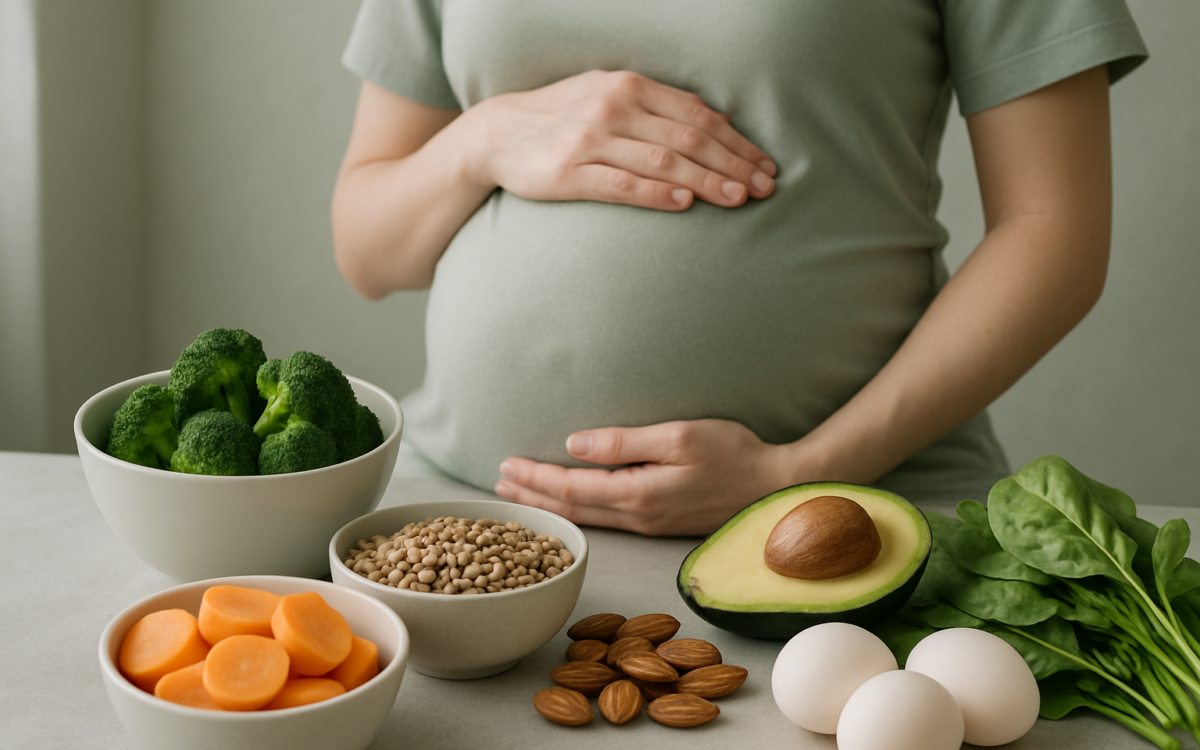
Pregnancy is a beautiful journey filled with anticipation and change. One of the most significant changes occurs in the body’s nutritional needs, especially when it comes to folate. Folate, a B-vitamin, is crucial during pregnancy as it supports healthy fetal development. This article explores the foods rich in folate you can incorporate into your diet, the importance of this nutrient, and how it helps during pregnancy.
Understanding Folate and Its Importance
Folate, also known as vitamin B9, plays a vital role in the body’s cell production and is essential during pregnancy. It aids in the formation of DNA and is crucial for the process of cell division. Folate is particularly important in the early stages of pregnancy, as it helps prevent neural tube defects such as spina bifida and anencephaly in developing infants. According to the Centers for Disease Control and Prevention (CDC), sufficient folate intake is recommended even before conception and in the first trimester for optimal health outcomes.
Daily Folate Recommendations
The recommended dietary allowance (RDA) for folate during pregnancy is about 600 micrograms (mcg) per day. Women who are planning to conceive are encouraged to take a folic acid supplement of at least 400 mcg daily in addition to a well-balanced diet rich in folate. Combining supplements with folate-rich foods ensures that both mother and baby receive sufficient nutrients for healthy development.
Top Folate-Rich Foods to Include
Incorporating a variety of foods into your diet can help ensure you meet your folate needs. Here are some excellent sources of folate to consider:
1. Dark Leafy Greens
Vegetables such as spinach, kale, and collard greens are outstanding sources of folate. For instance, one cup of boiled spinach contains about 263 mcg of folate. Adding these veggies to salads, smoothies, or soups can boost your folate intake significantly.
2. Legumes
Beans, lentils, and chickpeas are not only packed with protein and fiber but also deliver high amounts of folate. A cup of cooked lentils provides about 358 mcg of folate, making them a perfect addition to stews, salads, and dips.
3. Avocados
Avocados are a nutritious choice, offering healthy fats alongside folate. One whole avocado contains around 160 mcg of folate. They can be enjoyed on toast, in salads, or blended into smoothies for a creamy texture and delicious flavor.
4. Nuts and Seeds
Nuts and seeds, particularly sunflower seeds, are an excellent way to increase your folate intake. A quarter-cup of sunflower seeds has about 82 mcg of folate. They can be added to breakfast cereals, salads, or eaten as a snack.
5. Citrus Fruits
Citrus fruits like oranges, grapefruits, and lemons are great sources of vitamin C and folate. A medium orange contains about 40 mcg of folate. Enjoy these fruits on their own or in juices and smoothies.
6. Fortified Foods
Many breakfast cereals and grain products are fortified with additional folic acid, a synthetic form of folate. Check the labels when buying these products to find those that provide at least 100 mcg of folate per serving. Pairing fortified cereals with milk or yogurt can further enhance your nutritional intake.
Balancing Folate with Other Nutrients
While it’s essential to focus on folate, a balanced diet rich in various nutrients is equally important during pregnancy. Make sure to also include sufficient amounts of iron, calcium, and protein in your meals. Whole grains, lean meats, dairy products, and fruits provide these vital nutrients.
Moreover, maintaining hydration and limiting processed foods can help in promoting overall health during pregnancy.
Potential Risks of Low Folate Intake
A low intake of folate during pregnancy can lead to serious complications, including neural tube defects and preterm birth. Studies published in peer-reviewed journals emphasize the importance of adequate folate for preventing these risks. Women who are found to have low folate levels may be advised by their healthcare professionals to increase their intake and take supplements if necessary. For further reading, you can visit the National Institutes of Health (NIH).
When to See a Doctor
If you have concerns about your folate levels or your diet during pregnancy, it’s essential to consult your healthcare provider. They can evaluate your nutrition and may recommend blood tests if necessary.
Conclusion
Incorporating folate-rich foods into your diet during pregnancy is a crucial step toward supporting a healthy pregnancy and a thriving baby. From leafy greens to legumes and fortified cereals, a wide range of delicious options can help you meet your folate requirements. Remember that a well-rounded diet, combined with appropriate prenatal supplements, is key to ensuring both you and your baby receive the vital nutrients needed during this important time. Always consult your healthcare provider for personalized guidance regarding your diet and nutritional needs.
