
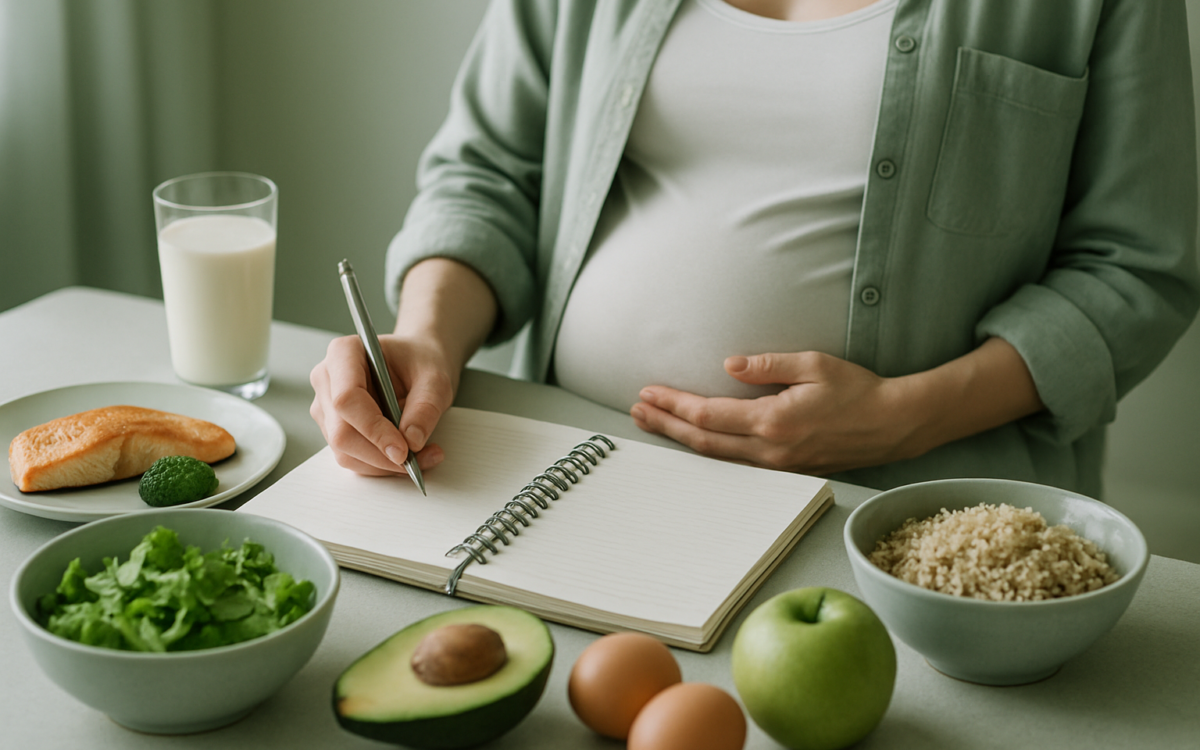
Pregnancy is a beautiful journey, but it also comes with its set of challenges, especially when it comes to nutrition. What you eat matters not only for your health but also for the growth and development of your baby. A balanced pregnancy food plan can help you navigate this exciting time. In this article, we’ll explore how to create a nutritious diet that supports both you and your little one.
Understanding the Nutritional Needs
Your body goes through many changes during pregnancy, requiring additional nutrients to support fetal development. The National Institute of Child Health and Human Development outlines some key nutrients that expectant mothers should focus on.
- Folic Acid: Essential for preventing neural tube defects. Aim for 600 mcg a day.
- Iron: You’ll need more iron to create blood for both you and your baby. Look for 27 mg daily.
- Calcium: Important for building your baby’s bones and teeth. 1,000 mg daily is recommended.
- Protein: Vital for your baby’s growth, particularly in the second and third trimesters. Aim for 71 grams per day.
- Omega-3 Fatty Acids: These support brain development. Try to include both DHA and EPA in your diet.
Creating a Daily Meal Plan
Now that you know about essential nutrients, let’s break down your daily food plan. A balanced pregnancy meal plan should ideally include a variety of foods to ensure you’re getting all the necessary nutrients.
Sample Daily Meal Plan
- Breakfast: Oatmeal topped with fresh berries and a sprinkle of nuts, plus a glass of fortified orange juice.
- Snack: A banana or an apple with a small serving of almond butter.
- Lunch: A spinach salad with grilled chicken, chickpeas, avocado, and a vinaigrette dressing.
- Snack: Carrot sticks with hummus or a handful of mixed nuts.
- Dinner: Baked salmon with quinoa and steamed broccoli.
- Dessert: Greek yogurt with a drizzle of honey.
This plan balances carbohydrates, proteins, and healthy fats while including essential vitamins and minerals. You can adjust portion sizes and components according to your individual needs.
Foods to Embrace
During pregnancy, focus on whole, nutrient-dense foods. Here are some specific categories to consider:
- Fruits and Vegetables: Aim to fill half your plate with a variety of colorful fruits and vegetables each day.
- Whole Grains: Choose brown rice, whole wheat bread, and oats for energy and fiber.
- Dairy: Incorporate low-fat milk, yogurt, and cheese for calcium and protein.
- Lean Proteins: Include chicken, turkey, fish (low in mercury), eggs, and legumes.
- Healthy Fats: Avocados, nuts, seeds, and olive oil can provide necessary fats.
Foods to Avoid
While it’s essential to focus on nutrition, there are also foods you should limit or avoid during pregnancy:
- High Mercury Fish: Avoid shark, swordfish, and king mackerel due to high mercury levels.
- Raw or Undercooked Seafood and Meat: These can carry harmful bacteria and parasites.
- Unpasteurized Dairy: Choose pasteurized products to avoid foodborne illnesses.
- Caffeine: Limit your intake to about 200 mg per day—about one 12-ounce cup of coffee.
- Alcohol: Abstaining from alcohol is advised, as it can lead to developmental issues.
Hydration and Healthy Habits
Staying hydrated is just as vital as eating well. Aim to drink at least 8-10 glasses of water daily to support increased blood volume and overall health. Additionally, consider these practices:
- Frequent Small Meals: Eating smaller meals more frequently can help alleviate nausea and maintain energy levels.
- Mindful Eating: Be conscious of what you eat and enjoy your meals without distractions.
- Physical Activity: If cleared by your healthcare provider, moderate exercise can benefit your mood and overall health.
Monitoring Your Progress
Keep track of how your nutrition affects your energy levels and overall well-being. Staying in touch with your healthcare provider can help ensure you’re meeting your nutritional goals. Regular check-ups can provide insights into your weight gain and nutrient intake, which are important for both you and your baby.
When to See a Doctor
If you have concerns about your diet or any symptoms such as severe nausea, vomiting, or unexpected weight loss, it’s crucial to consult your healthcare provider. They can help you adjust your food plan or suggest additional supplements if necessary.
Remember, every pregnancy is unique, and what works for one person may not work for another. Your healthcare provider can provide personalized recommendations based on your specific needs.
As you embark on this journey of motherhood, remember that a well-balanced diet is one of the greatest gifts you can give to yourself and your growing baby. Focus on nourishing foods, stay hydrated, and embrace the journey ahead!
