
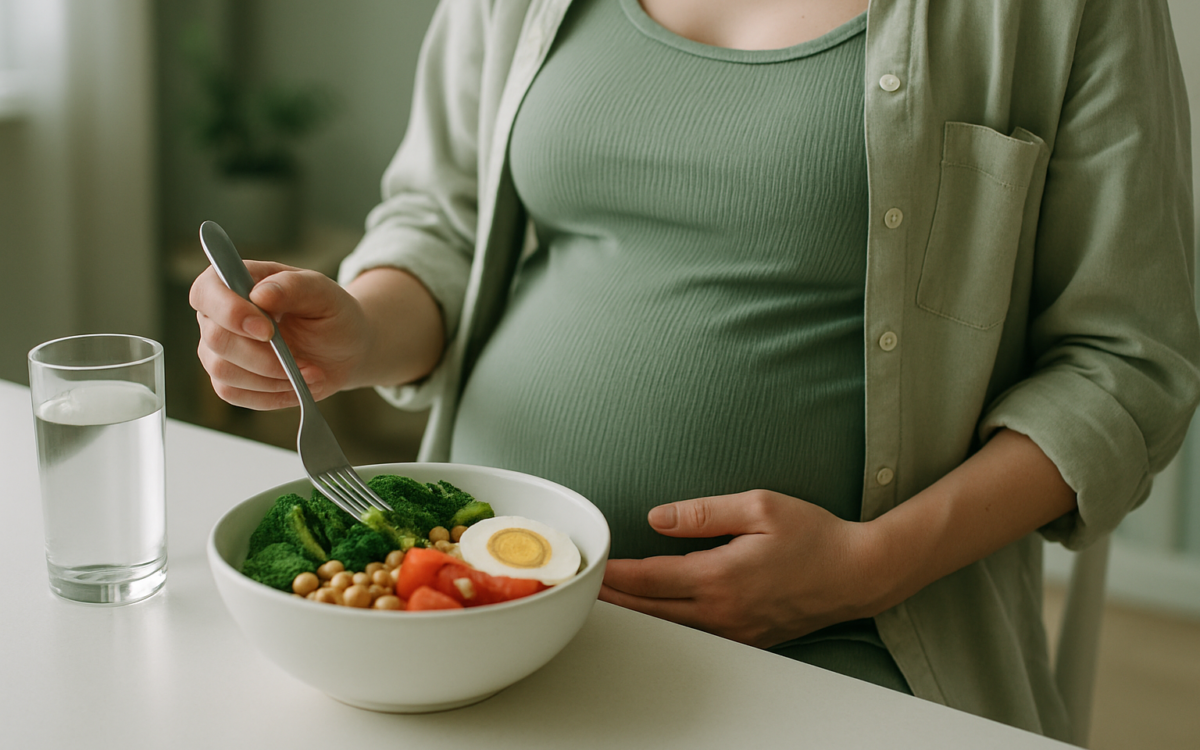
Pregnancy is a beautiful and transformative time in a woman’s life, but it can also be overwhelming, especially when it comes to nutrition. What you eat impacts not only your health but also the development of your growing baby. Knowing which foods to prioritize can make all the difference in ensuring a healthy pregnancy experience.
Understanding Nutritional Needs During Pregnancy
During pregnancy, your body requires additional nutrients to support both you and your developing baby. These include higher amounts of protein, vitamins, and minerals. Understanding these needs can guide you in making healthier food choices.
Generally, women should aim for a balanced diet that includes fruits, vegetables, whole grains, lean proteins, and healthy fats. According to the CDC, maintaining a nutrient-rich diet is essential for fetal development and can help prevent complications.
Key Nutrients for Expecting Mothers
Not all foods are created equal, especially when it comes to pregnancy. Here are some key nutrients that play a vital role:
- Folic Acid: This B-vitamin is crucial for neural tube development, which forms the baby’s brain and spine. Sources include leafy greens, fortified cereals, and legumes.
- Iron: To support the increased blood volume during pregnancy, iron is essential. Foods rich in iron include lean meats, beans, and spinach.
- Calcium: Critical for building the baby’s bones and teeth, good sources of calcium include dairy products, almonds, and green vegetables.
- Omega-3 Fatty Acids: These healthy fats are important for brain development. Salmon, walnuts, and flaxseeds are excellent sources.
Healthy Foods to Include in Your Diet
Focusing on nutrient-dense foods can not only benefit your health but also that of your baby. Here are some food categories to prioritize:
Fruits and Vegetables
Fruits and veggies are packed with vitamins, minerals, and fiber. Aim for a variety of colors to ensure you’re getting a wide range of nutrients. For example:
- Oranges and strawberries provide vitamin C and folate.
- Sweet potatoes and carrots are high in beta carotene, supporting eye health.
- Leafy greens like kale and spinach are rich in iron and other essential minerals.
Whole Grains
Whole grains provide necessary energy and fiber, which can help manage pregnancy-related constipation. Try incorporating:
- Brown rice
- Whole grain bread
- Oats
Lean Proteins
Protein is vital for the growth of your baby’s tissues and organs. Quality protein sources include:
- Skinless poultry
- Fish (following seafood safety guidelines)
- Legumes like beans and lentils
Dairy Products
Dairy products provide calcium and vitamin D, which are crucial for your baby’s bone development. Consider consuming:
- Low-fat milk
- Yogurt (choose plain to avoid added sugars)
- Cheese
Foods to Avoid During Pregnancy
While choosing the right foods is important, avoiding certain items is equally crucial. Here are a few categories to be cautious about:
- Raw or Undercooked Seafood and Meats: These can harbor harmful bacteria and parasites.
- Caffeinated Beverages: High caffeine intake has been linked to risks of miscarriage. Limit coffee and other caffeinated drinks.
- Certain Fish: Fish high in mercury, such as shark and swordfish, should be avoided. Opt for safer options like salmon and shrimp.
Staying Hydrated
Hydration is often overlooked but is a crucial aspect of pregnancy. Aim to drink plenty of water throughout the day to support your and your baby’s health. Dehydration can lead to complications; therefore, keeping a water bottle handy is always a good idea.
Supplement Your Diet Wisely
Even with a well-balanced diet, some women may need dietary supplements to meet their nutritional needs. Commonly recommended supplements during pregnancy include:
- Prenatal Vitamins: These often contain folic acid, iron, and DHA (a type of Omega-3).
- Iron Supplements: If your doctor suggests it, iron supplements may be necessary to prevent anemia.
Always consult your healthcare provider before starting any new supplements to ensure they are appropriate for your individual situation.
When to See a Doctor
If you have specific dietary concerns or experience nausea, weight loss, or significant cravings, consult your doctor. They can provide personalized advice on managing your diet effectively during pregnancy.
Remember that every pregnancy is unique. Prioritizing a balanced diet filled with a variety of nutrients can pave the way for a healthy experience for you and your baby.
Conclusion
Caring for yourself during pregnancy is crucial for the health of both you and your baby. Choosing nutrient-rich foods, staying hydrated, and seeking medical advice when necessary can make all the difference. Embrace this exciting journey while taking it one healthy meal at a time!
