
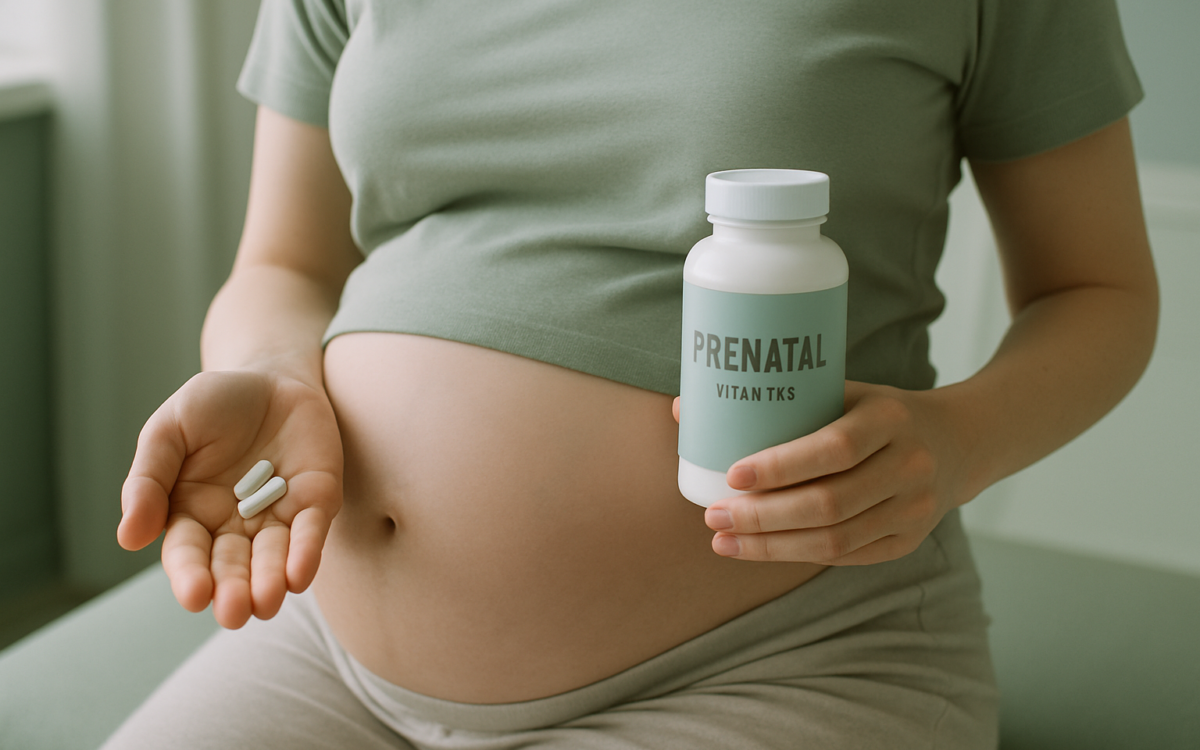
Thinking about pregnancy often brings a mix of excitement and concern. One common question among expectant mothers is how prenatal pills might affect weight gain. These supplements are designed to provide vital nutrients for both mother and baby, but understanding their role in weight management is essential for maintaining a healthy pregnancy.
The role of prenatal pills
Prenatal pills are specially formulated vitamins and minerals tailored for pregnant women. They typically contain higher amounts of folic acid, iron, calcium, and DHA, which are crucial for fetal development. For instance, folic acid helps prevent neural tube defects, while iron supports the increased blood volume that occurs during pregnancy.
Weight gain during pregnancy: What to expect
Weight gain is a natural and necessary part of pregnancy, ensuring that the growing baby has everything it needs to thrive. The amount of weight gain varies from woman to woman and is influenced by several factors, including pre-pregnancy weight, overall health, and the number of babies being carried. The World Health Organization (WHO) provides guidelines for expected weight gain based on pre-pregnancy BMI (Body Mass Index).
Do prenatal pills contribute to weight gain?
Prenatal vitamins themselves generally do not cause weight gain. However, they can lead to changes in appetite and food preferences due to their enriched nutrient content. For instance, taking prenatal pills may increase cravings for specific foods, potentially resulting in increased calorie intake. Additionally, if a woman experiences nausea and fatigue—common early pregnancy symptoms—she may choose higher-calorie comfort foods. Thus, while the pills provide essential nutrients, they may indirectly impact weight through dietary choices.
Making healthy choices while on prenatal pills
To promote healthy weight gain during pregnancy, it’s essential to make mindful nutrition choices. Here are several tips for maintaining a balanced diet:
- Focus on whole foods: Incorporate fruits, vegetables, lean proteins, whole grains, and healthy fats into your daily meals.
- Stay hydrated: Drink plenty of water to help maintain energy levels and support overall health.
- Limit processed foods: Minimize intake of sugary snacks and beverages, which can lead to unhealthy weight gain.
- Monitor portion sizes: Pay attention to serving sizes to avoid excessive calorie intake.
If you’re considering receiving treatment from abroad during pregnancy, institutions like international patient services can provide a wide range of options for expectant mothers. These facilities often have specialized prenatal programs tailored to ensure maternal and fetal well-being.
Overall nutrition and lifestyle during pregnancy
While prenatal pills supply critical nutrients, they should be part of a well-rounded diet. Engaging in regular physical activity, with your doctor’s approval, can also help manage weight. Activities such as walking, swimming, or prenatal yoga can be beneficial. Always consult your healthcare provider before starting any new exercise program.
When to see a doctor
It’s important to consult your healthcare provider if you have concerns about weight gain during pregnancy or the role of prenatal pills in your diet. They can provide personalized advice and help determine if any adjustments to your nutrition or supplements are necessary.
Conclusion
Prenatal pills can be a significant part of a healthy pregnancy, providing essential nutrients for both mother and baby. While they may influence dietary choices, understanding their role in overall nutrition and weight management is crucial. Keep communication open with your healthcare provider to ensure a healthy, balanced approach to your pregnancy journey.
