
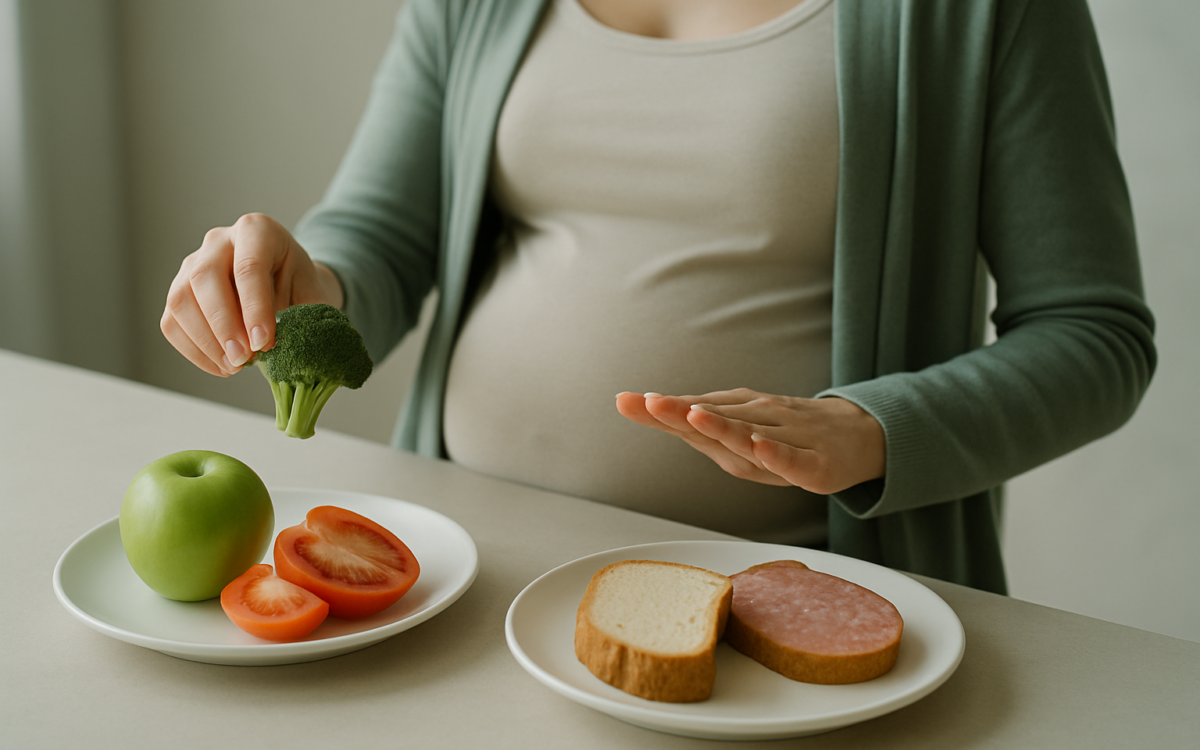
Pregnancy is an exciting time filled with anticipation, but it also comes with a list of practical considerations—especially regarding what you eat. Your body is working hard to support the growth and development of your baby, and making informed dietary choices is key to ensuring optimal health for both of you. Understanding the things you can and can’t eat while pregnant can help you navigate this journey with confidence.
Foods That Are Safe and Nutritious
When it comes to fueling your body during pregnancy, there are plenty of delicious and nutritious options to choose from. Here are some of the best food groups to focus on:
Fruits and Vegetables
- Leafy Greens: Spinach, kale, and collard greens are rich in folate, which is crucial for fetal development.
- Fruits: Opt for a variety of fruits such as apples, bananas, berries, and oranges to get essential vitamins and fiber.
- Veggies: Carrots, bell peppers, and broccoli are packed with vitamins that support both your health and your baby’s growth.
Whole Grains
- Brown Rice: A great source of fiber and provides sustained energy.
- Whole Wheat Bread: A healthier alternative to white bread, it contains more nutrients and fiber.
- Quinoa: This grain is a complete protein, making it an excellent choice for pregnant women.
Protein Sources
- Lean Meats: Chicken, turkey, and lean cuts of beef are great sources of protein and iron.
- Fish: Opt for low-mercury options like salmon and sardines, which are rich in omega-3 fatty acids.
- Dairy: Yogurt and milk provide calcium and protein, essential for bone development.
Essential Nutrients for Pregnant Women
Beyond simply eating a variety of foods, certain nutrients are particularly important during pregnancy:
Folate
Folate (Vitamin B9) is critical for preventing neural tube defects. Foods rich in folate include:
– Fortified cereals
– Lentils
– Asparagus
Iron
Iron supports increased blood volume and prevents anemia. Good sources include:
– Lean red meats
– Beans
– Seeds
Calcium and Vitamin D
These nutrients are crucial for your baby’s bone health. Sources include:
– Milk
– Cheese
– Fortified dairy alternatives
Foods to Limit or Avoid
While there are many foods you can enjoy, some should be limited or avoided entirely to ensure a healthy pregnancy:
Raw or Undercooked Seafood, Meat, and Eggs
Foods such as sushi, rare steak, and runny eggs pose the risk of foodborne illness. It’s best to steer clear of these types of dishes to protect you and your baby from potential infections.
High-Mercury Fish
Certain fish, like shark, swordfish, and king mackerel, contain high levels of mercury, which can harm your baby’s developing nervous system. The <a href="https://www.fda.gov/food/foodborne-illness-hazard-analyses/information-pregnant-women-about-seafood")(FDA) recommends opting for safer options.
Unpasteurized Dairy
Unpasteurized milk and cheeses can harbor harmful bacteria such as Listeria. Always choose pasteurized options to reduce your risk.
Caffeine and Alcohol
High levels of caffeine can increase the risk of miscarriage and low birth weight. While single cups of coffee are generally considered acceptable, it’s best to keep caffeine consumption under 200 mg per day. Alcohol should be completely avoided, as there is no safe amount during pregnancy.
Understanding Food Labels and Safeguarding Your Diet
Being mindful of food labels is essential during pregnancy. Look for:
- Nutrition Facts: Ensure you’re getting enough of the nutrients you need.
- Ingredients List: Avoid foods with excessive sugars and unhealthy fats.
- Expiration Dates: Always check dates to avoid spoiled food that can lead to illness.
Additionally, washing fruits and vegetables thoroughly can help limit exposure to harmful pesticides and microorganisms.
When to See a Doctor
If you have questions about your diet or if you experience any unusual symptoms after eating, don’t hesitate to consult your healthcare provider. They can provide personalized guidance based on your specific health needs and help you make safe dietary choices during this important time.
Staying informed about what you can and cannot eat during pregnancy will empower you to make the best choices for yourself and your growing baby. Keep learning and don’t hesitate to reach out for professional advice when needed.
For more information about nutrition during pregnancy, you can visit the CDC or the Mayo Clinic.
