
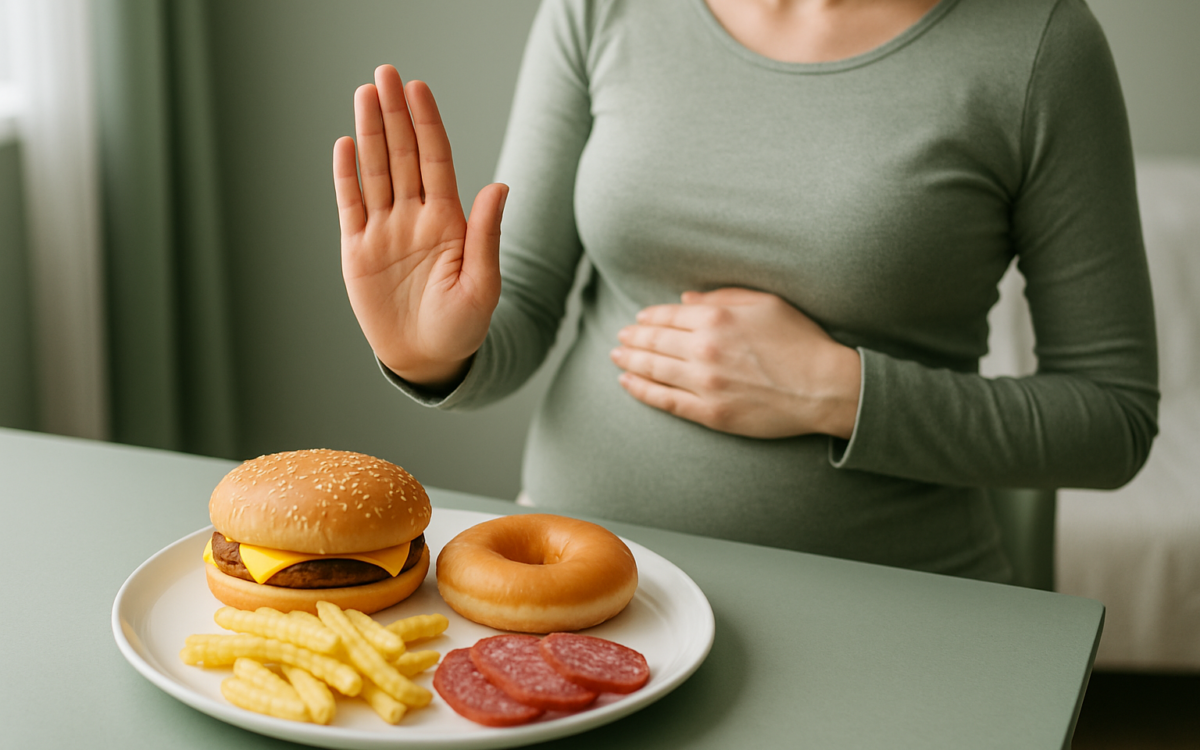
Pregnancy is a beautiful journey filled with excitement and change, but it also brings new responsibilities, especially when it comes to nutrition. What nourishes you also nourishes your growing baby. While many foods are safe and healthy, some should be avoided to reduce risks of complications. Knowing what not to eat during pregnancy is essential for a healthy journey.
Raw or Undercooked Seafood
Seafood can be a great source of protein and omega-3 fatty acids, important for your baby’s development. However, raw or undercooked seafood comes with significant risks. It can harbor harmful bacteria and parasites, such as Listeria, Salmonella, and Vibrio, which can lead to serious foodborne illnesses.
To keep yourself and your baby safe, it’s best to avoid:
- Sushi and sashimi
- Raw oysters and clams
- Eel or any seafood that is not well-cooked
If you crave sushi, opt for fully cooked rolls or those made with vegetables.
High-Mercury Fish
While fish can be a healthy addition to your diet, not all fish are created equal. Some fish are high in mercury, a toxic element that can affect your baby’s developing nervous system. Fish with high mercury levels include:
- Shark
- Swordfish
- King mackerel
- Tilefish
Instead, opt for fish lower in mercury, such as salmon, tilapia, or shrimp. The FDA provides guidelines on safe fish consumption during pregnancy.
Unpasteurized Dairy Products
Dairy products provide vital nutrients, including calcium and vitamin D. However, unpasteurized dairy can be dangerous. It may contain Listeria, which puts you at risk for infections that could harm both you and your baby. Common unpasteurized dairy products to avoid include:
- Raw milk
- Products made from raw milk, like certain cheeses (such as Brie and feta)
When choosing dairy, always pick pasteurized options for safety. Most supermarket products are pasteurized, so check labels to ensure you’re making a safe choice.
Caffeinated Beverages
Many people rely on caffeine to kickstart their day, but when you’re pregnant, it can be beneficial to limit your intake. High caffeine consumption has been associated with an increased risk of miscarriage and low birth weight. Sources of caffeine include:
- Coffee
- Tea
- Energy drinks
- Soft drinks
The CDC recommends limiting caffeine to about 200 mg per day, which is roughly equivalent to one 12-ounce cup of coffee. Consider herbal teas or decaffeinated versions of your favorite beverages for safer alternatives.
Processed and Deli Meats
Processed meats, such as hot dogs, sausages, and deli meats, can harbor harmful bacteria like Listeria, which is particularly concerning during pregnancy. These meats often contain preservatives and sodium that might not be beneficial to your health.
If you are craving a sandwich, make sure to heat the meat until steaming hot to eliminate potential bacteria. It’s always wise to read labels and opt for lower sodium and preservatives where possible.
Excessive Sugar and Artificial Sweeteners
While it’s okay to indulge your sweet tooth occasionally, excessive sugar can lead to unwanted weight gain and complications like gestational diabetes. Artificial sweeteners are also a gray area during pregnancy. While some are considered safe, others may not be, and it’s best to consume them cautiously. Low-calorie sweeteners like aspartame and saccharin should be limited.
Opt for natural sweeteners like honey or pure maple syrup in moderation, and prioritize whole foods that offer natural sweetness, such as fruits.
Herbal Teas and Supplements
While many herbal teas can be soothing, not all are safe for pregnant women. Some herbs can lead to contractions or other complications in pregnancy. Be cautious with:
- Red clover
- Ginseng
- Dong quai
Always consult with a doctor or a registered dietitian before including any herbal supplements in your pregnancy diet to ensure they are safe.
When to See a Doctor
If you have any concerns about your diet during pregnancy or if you experience symptoms like nausea that makes it hard to eat, discuss it with your healthcare provider. They can provide personalized guidance to ensure you’re getting the necessary nutrients you and your baby need.
Remember, every pregnancy is unique. Staying informed about what to avoid can help you navigate this exciting time safely and healthily.
In conclusion, being mindful of your diet during pregnancy is vital. By avoiding certain foods and making informed choices, you can help ensure a healthier experience for both you and your baby. Embrace this journey with a focus on nourishing foods while staying educated on those to steer clear of. Always consult your healthcare provider for tailored advice throughout your pregnancy.
