
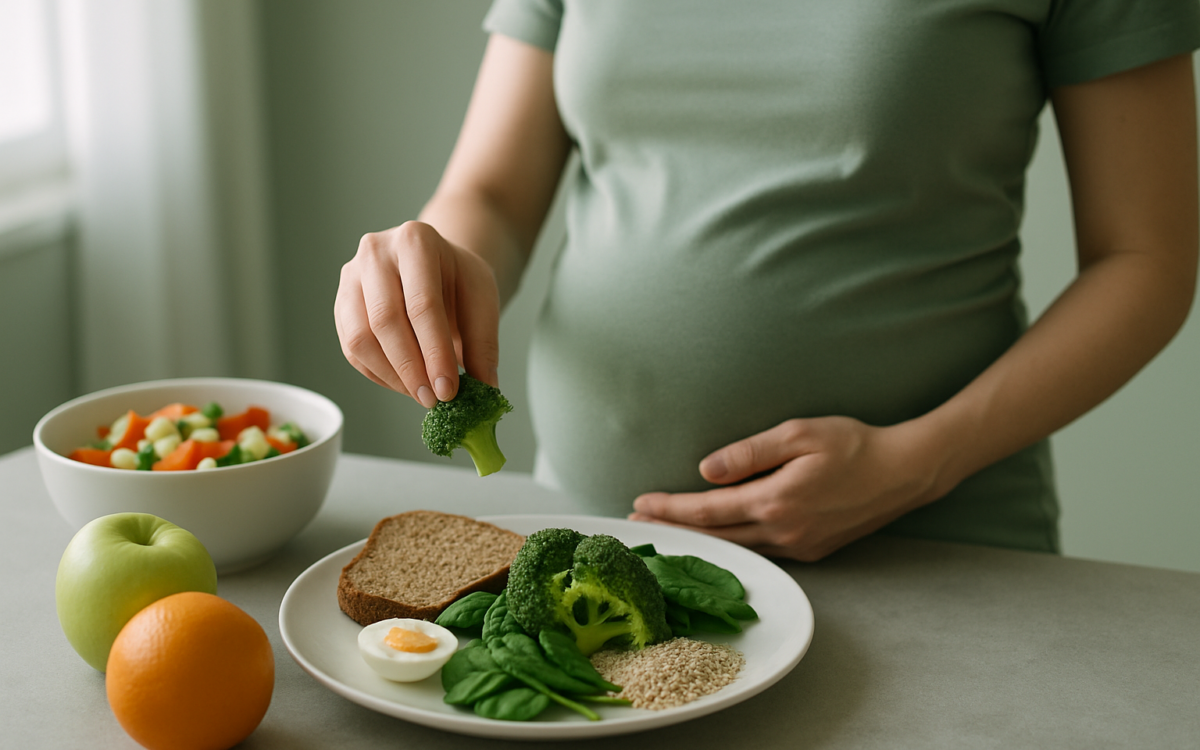
Pregnancy is a time of incredible change and growth. As your body adapts to support your developing baby, your nutritional needs also evolve. Eating well during this vital period is essential not only for your health but also for your baby’s development. So, what should you eat in pregnancy to ensure you’re both getting the nutrients you need?
The Importance of Nutrition in Pregnancy
Proper nutrition during pregnancy ensures that both you and your baby receive the right fuel for growth and development. Key nutrients like folic acid, iron, calcium, and omega-3 fatty acids play crucial roles in preventing complications such as neural tube defects, anemia, and low birth weight.
Key Nutrients to Include
- Folic Acid: This nutrient is vital in reducing the risk of neural tube defects. Foods rich in folic acid include leafy greens, citrus fruits, beans, and fortified cereals.
- Iron: Iron supports increased blood volume in pregnant women. Best sources include lean meats, spinach, lentils, and fortified grains. Pair iron-rich foods with vitamin C sources like oranges or bell peppers to enhance absorption.
- Calcium: Calcium helps build your baby’s bones and teeth. Dairy products, fortified plant-based milks, almonds, and dark greens like kale are excellent sources.
- Omega-3 Fatty Acids: Essential for brain development, omega-3s can be found in fatty fish like salmon, walnuts, and chia seeds. Ensure any fish you consume is low in mercury.
- Protein: Protein is crucial for the growth of fetal tissue, including the brain. Incorporate lean meats, eggs, dairy, beans, and nuts into your meals.
Meal Planning for Pregnancy
Creating a meal plan can help ensure you meet your nutritional needs without feeling overwhelmed. Here are some simple tips:
- Balanced Meals: Aim to fill your plate with a variety of food groups. Include fruits, vegetables, whole grains, protein, and dairy alternatives in every meal.
- Snacks Matter: Healthy snacks can provide extra nutrients. Opt for yogurt, nuts, fruit, or whole-grain crackers to keep your energy levels steady throughout the day.
- Stay Hydrated: Drink plenty of water. Staying hydrated is essential for maintaining amniotic fluid levels and overall health.
- International Perspective: If you’re considering sophisticated treatments or dietary assistance during pregnancy, look into options like treatment in Turkey, where many expectant mothers seek expert nutritional guidance.
Foods to Avoid
While focusing on what to eat, it’s equally important to be aware of what to limit or avoid:
- Raw or Undercooked Seafood and Eggs: These may contain harmful bacteria or parasites.
- Certain Fish: Fish high in mercury—including shark, swordfish, and king mackerel—should be avoided to protect your baby’s development.
- Unpasteurized Dairy Products: These can carry bacteria that may harm both you and your baby.
- Processed Foods: Often high in sugars and unhealthy fats, they should be limited to maintain optimal health.
Consulting a Professional
Every pregnancy is unique, and it’s crucial to discuss your specific dietary needs with a healthcare provider or nutritionist. They can help tailor guidelines based on your health, lifestyle, and any pre-existing conditions. This is especially important for those with dietary restrictions or health issues.
When to See a Doctor
If you experience significant changes in appetite, constant nausea, or are unsure about your weight gain during your pregnancy, it’s essential to consult your healthcare provider. They can offer guidance and support to ensure that you and your baby stay healthy throughout your pregnancy.
Pregnancy is a journey full of challenges and joys, and understanding how to nourish yourself is crucial. By focusing on a balanced diet rich in essential nutrients, you can create a nurturing environment for your baby. Remember that every decision you make contributes to the wonderful life you are bringing into the world.
