
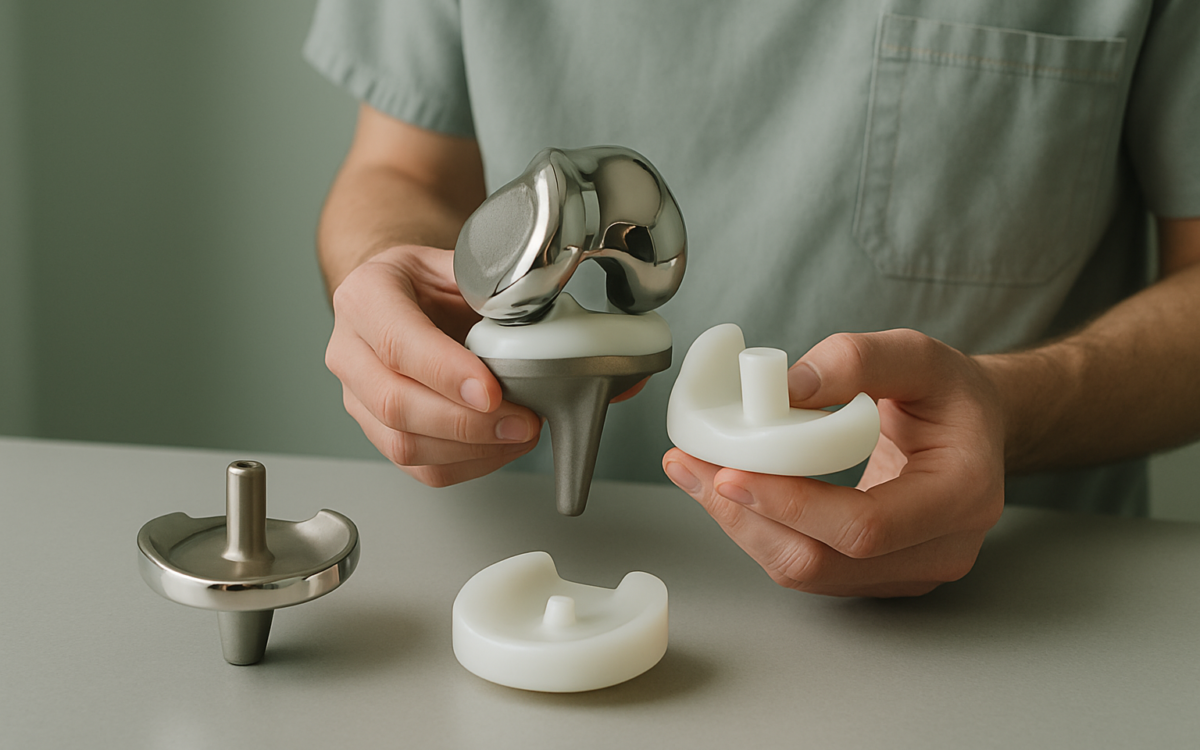
Knee replacement surgery can be a life-changing procedure for those suffering from severe knee pain or limited mobility. Whether due to arthritis or an injury, this surgery aims to relieve pain, improve function, and enhance the quality of life. Understanding the various parts involved in a knee replacement can help patients feel more informed and prepared for their journey.
What is a Knee Replacement?
A knee replacement, or knee arthroplasty, involves surgically removing damaged bone and cartilage and replacing them with artificial components. This procedure can be total or partial. In total knee replacement, the entire joint is replaced, while in a partial knee replacement, only the damaged portion of the knee is resurfaced. Most commonly, total knee replacements are performed for patients with advanced osteoarthritis.
Key Components of Knee Replacement Parts
Each knee replacement surgery involves several key components that work together to restore knee function. Here’s a closer look at the main parts involved:
1. Prosthetic Components
- Femoral Component: This is a metal piece that replaces the end of the femur (thigh bone). It is designed to fit smoothly against the polyethylene insert.
- Tibial Component: This part replaces the top of the tibia (shin bone). It typically consists of a metal base topped with a polyethylene surface, which provides cushioning and smooth movement.
- Patellar Component: This component replaces the kneecap (patella) with a polyethylene button. It allows for smoother movement as the knee bends and straightens.
2. Materials Used in Knee Implants
The materials used in knee implants play a crucial role in the durability and functionality of the prosthetic parts. Here are the common materials used:
- Metal Alloys: Titanium and cobalt-chromium alloys are often used for the femoral and tibial components due to their strength and compatibility with bone.
- Polyethylene: This plastic-like material is used for the bearing surfaces (the parts that actually rub together) to reduce friction and wear.
- Ceramic: In some prosthetic designs, ceramic components may be used for increased durability and to minimize wear debris.
Choosing the right materials is essential for the longevity of the knee replacement. Surgeons often consider a patient’s age, activity level, and overall health when recommending implant options.
Types of Knee Replacement Surgery
Understanding the types of knee replacements can help patients discuss their options with their doctors. The two main types include:
Total Knee Replacement (TKR)
Total knee replacements are performed when both the femur and tibia are severely damaged. This surgery involves replacing the entire joint with artificial parts, allowing for a more functional and pain-free knee.
Partial Knee Replacement (PKR)
For patients with damage confined to one area of the knee, a partial knee replacement may be a suitable option. This less invasive procedure allows for quicker recovery and preserves more of the patient’s natural joint.
Recovery Process After Knee Replacement
The recovery process is an essential part of knee replacement surgery. Learning what to expect can ease the anxiety of the procedure. Here’s a general overview of what follows the surgery:
- Hospital Stay: Patients usually spend 1 to 3 days in the hospital after surgery, where they are monitored and begin rehabilitation.
- Physical Therapy: Rehabilitation is vital for regaining strength and mobility. Patients typically start physical therapy right after surgery to begin exercises designed to restore knee movement.
- Home Care: At home, patients may need assistance with daily activities as they recover. Pain management and adherence to rehabilitation exercises are crucial during this period.
- Long-term Recovery: Full recovery can take several months. Regular follow-up appointments with the surgeon will help assess healing and address any concerns.
Potential Complications of Knee Replacement Surgery
As with any surgery, knee replacement carries potential risks. It’s essential to discuss these with your healthcare provider. Common complications can include:
- Infection: Post-surgical infections can occur, though they are relatively rare. Any signs of infection should be reported to a doctor immediately.
- Blood Clots: Patients may be at risk for blood clots in the legs after surgery, necessitating preventive measures such as blood thinners or compression stockings.
- Implant Failure: Over time, knee replacements can wear down or loosen, which may require additional surgery to replace the components.
When to See a Doctor
Post-surgery, it’s vital to keep track of your recovery. If you experience any of the following symptoms, consult your doctor:
- Severe pain that doesn’t improve with medication
- Swelling or warmth in the knee that increases
- Fever above 100.4°F (38°C)
- Signs of a blood clot, such as swelling in one leg or difficulty breathing
Conclusion
Knee replacement surgery offers hope for many individuals dealing with debilitating knee pain. Understanding the parts involved, the types of procedures available, and the recovery process can empower patients to make informed decisions about their health. Always consult with a qualified healthcare provider to determine the best approach for your specific situation and to prepare for a successful recovery.
For more information about knee replacement surgery and related topics, visit Mayo Clinic, Cleveland Clinic, or the National Institutes of Health.
