
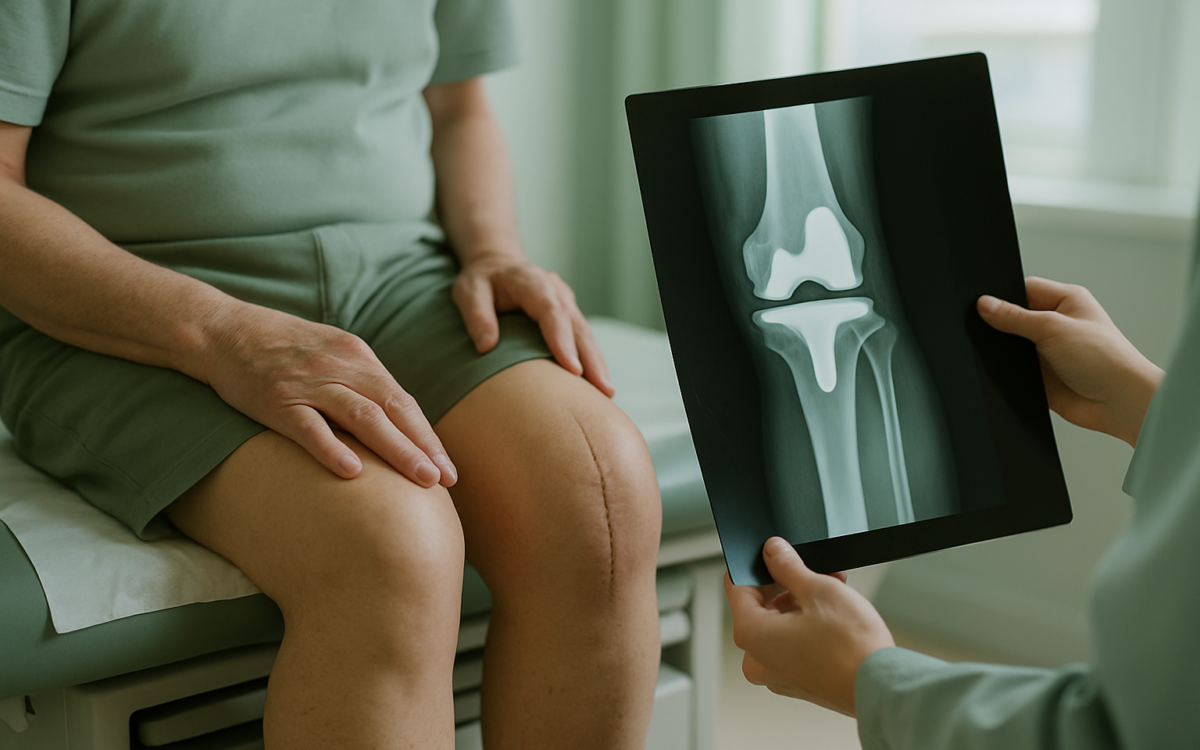
Total knee replacement (TKR) is a common surgical procedure that many people undergo when facing severe knee problems. Often due to arthritis, injuries, or chronic pain, TKR can significantly improve a person’s quality of life. In this article, we’ll explore what total knee replacement entails, and we’ll provide pictures to give you a clearer understanding of the surgery and recovery process.
What is Total Knee Replacement?
Total knee replacement is a surgical procedure where damaged cartilage and bone are removed from the knee joint and replaced with artificial components. The goal of this surgery is to relieve pain, restore function, and improve the quality of life for patients suffering from severe knee conditions.
Pictures: What Happens During the Surgery?
During a total knee replacement, several steps are involved:
- Anesthesia: Before the surgery, the patient receives anesthesia to ensure comfort throughout the procedure. The pictures often showcase the surgical team preparing the patient.
- Making the Incision: Doctors will make a long incision over the knee joint to access the bone and cartilage. Photos often demonstrate the depth of this incision.
- Removing Damaged Tissue: The surgeon removes the damaged bone and cartilage, preparing the knee joint for the prosthetic components.
- Inserting the Prosthesis: The artificial knee joint, typically made of metal and plastic, is inserted. There are photos that illustrate the precision needed during this step.
- Closing the Incision: The final step involves suturing or stapling the incision closed, ensuring the patient is ready for recovery.
These images help patients visualize what happens during the surgery, reducing anxiety about the unknown.
Recovery Timeline and Expectations
Recovery from total knee replacement varies from person to person, but understanding the general timeline can be helpful. Here are key stages of recovery:
Immediately After Surgery
Most patients spend time in the recovery room as they wake from anesthesia. It’s common for medical staff to monitor vital signs and pain levels.
First Few Days
Patients typically begin physical therapy within a day or two after surgery. Pictures from this time often show nurses helping patients move for the first time and the use of assistive devices.
Weeks 2-6
As recovery progresses, patients can expect to experience less pain and improved mobility. Many are able to walk with minimal assistance. Photos highlight using crutches or walkers and engaging in physical therapy exercises.
3-6 Months
By this stage, many patients see considerable improvement in knee function. They can often return to most daily activities and may participate in low-impact exercises. Pictures may reflect patients walking, climbing stairs, and resuming hobbies.
Potential Risks and Complications
As with any surgical procedure, total knee replacement has risks. Understanding these can be essential for informed decision-making. Some potential complications include:
- Infection at the surgical site
- Blood clots in the leg
- Implant failure or loosening
- Continued pain or stiffness
It’s essential to discuss these risks thoroughly with a healthcare provider.
Long-term Care and Maintenance
After the initial recovery period, ongoing care is crucial for maintaining the health of the new knee. Here are some important factors:
Physical Activity
Patients are encouraged to engage in low-impact exercises, such as swimming or cycling, to improve strength and flexibility. Pictures of post-recovery activities help to highlight healthy lifestyle choices.
Regular Check-ups
Routine follow-up appointments with your doctor are essential for monitoring the knee’s condition and implant integrity. A healthcare professional may use X-rays to check on the implant, and these diagnostic images are often shared with patients.
When to See a Doctor
Consult a healthcare professional if you experience any of the following after total knee replacement:
- Persistent pain that worsens over time
- Signs of infection, such as redness, swelling, or fever
- Difficulty moving the joint or increased stiffness
- Swelling in the calf or leg
Your doctor can provide guidance and ensure proper care as you heal.
Total knee replacement can transform the lives of those who undergo it. By understanding the procedure and seeing visuals of the process, patients are better equipped to approach their surgery with confidence. Regular follow-up care and being proactive about recovery will lead to a better, more active life.
