
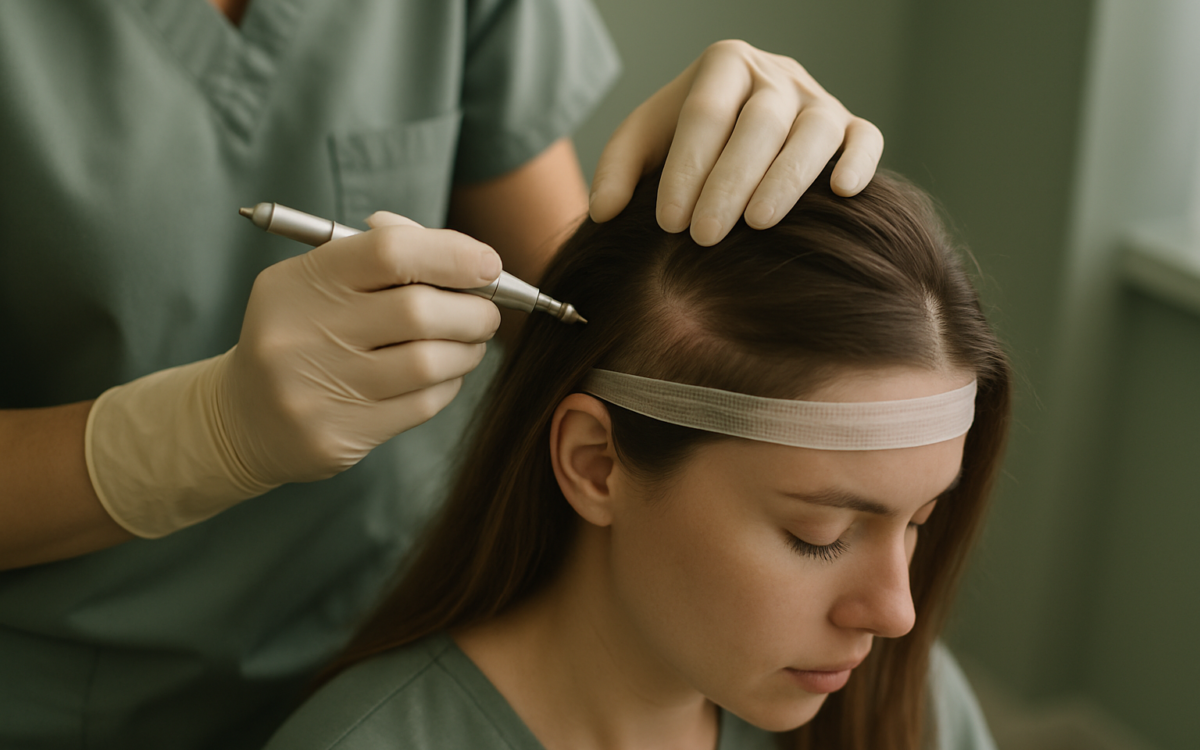
Hair loss can be an emotionally challenging experience for women. Unlike men, who often experience hereditary baldness, women can encounter thinning hair due to various factors such as hormonal changes, stress, medical conditions, and genetics. One promising solution that has gained popularity in recent years is hair grafting. This innovative dermatological procedure aims to restore hair density and boost confidence. Let’s dive into the details of hair grafting for women.
Understanding Hair Grafting
Hair grafting, often referred to as hair transplantation, involves taking hair follicles from a donor area of the scalp (usually the back or sides of the head) and planting them in areas experiencing hair loss. It is a minimally invasive surgical procedure that aims to provide a fuller head of hair for those affected by thinning or bald spots.
Types of Hair Grafting Techniques
There are two primary techniques for hair grafting: Follicular Unit Extraction (FUE) and Follicular Unit Transplantation (FUT).
Follicular Unit Extraction (FUE)
In the FUE method, individual hair follicles are extracted from the donor area using a specialized tool. This technique leaves tiny, dot-like scars and has a more straightforward recovery process, as it does not require stitches. Many women prefer this method for its minimally invasive nature and less noticeable scarring.
Follicular Unit Transplantation (FUT)
The FUT technique involves removing a strip of skin from the donor area, then dissecting it into individual follicular units for transplantation. While this method can yield a larger number of grafts in a single session, it often results in a linear scar that can be hidden under existing hair.
Who is a Good Candidate for Hair Grafting?
Hair grafting can be an option for women experiencing:
- Androgenetic alopecia (female pattern baldness)
- Thinning hair due to hormonal changes (such as pregnancy or menopause)
- Hair loss due to medical conditions (like alopecia areata)
- Scarring from previous surgeries or injuries
Women who are in good health and possess realistic expectations about the procedure tend to be the best candidates. A comprehensive consultation with a qualified dermatologist or hair restoration specialist is essential to determine suitability.
Recovery and Aftercare
Post-procedure care is crucial for optimal results. Here are some guidelines for recovery:
- Avoid touching the transplant area: Keeping your hands off the grafts helps prevent infections.
- Follow the doctor’s instructions: Your physician will provide specific care recommendations, including cleaning the transplant area and using specialized shampoos.
- Limit strenuous activities: Activities that may cause sweating or strain on the scalp should be avoided for at least a week.
- Be patient: Hair growth can take several months, and initial shedding of transplanted hair is normal.
Hair Grafting as an International Treatment Option
For women considering hair grafting, exploring options outside of the United States can be beneficial. Many international clinics offer advanced hair restoration techniques at competitive prices. Countries like Turkey and South Korea have renowned specialists in this field. Resources like international patient services can assist you in finding qualified doctors globally and navigating travel logistics.
Cost Considerations
The cost of hair grafting varies based on the technique, the clinic’s location, and the number of grafts needed. In the U.S., the price can range from $4,000 to $15,000 for the procedure. Many women find it worthwhile to invest in their appearance and self-esteem. Consulting with a clinic can provide additional information regarding financing options and consultations.
When to See a Doctor
If you’re experiencing unusual hair loss or scalp conditions, it’s essential to consult a doctor. Seeking professional guidance can help you understand the underlying causes and explore potential treatments, including hair grafting.
Conclusion
Hair grafting is an exciting option for women dealing with thinning hair or bald spots. By understanding the techniques, benefits, and recovery processes involved, women can make informed decisions about their hair restoration journey. Though the prospect of a fuller head of hair is appealing, always remember to seek guidance from qualified professionals and set realistic expectations. Embracing the path to hair restoration can ultimately lead to renewed confidence and self-expression.
