
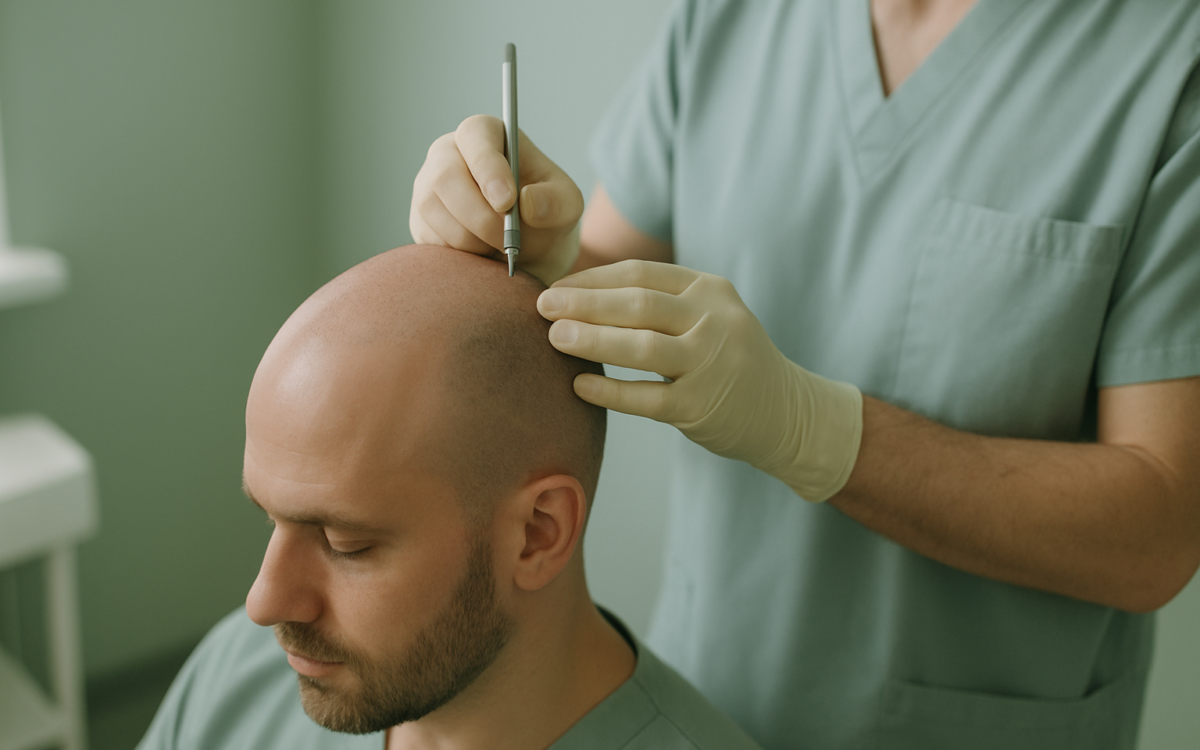
For many men, hair is an important part of their identity. When faced with hair loss, the emotional toll can be significant. Increasing numbers are turning to hair surgery as a solution. This article aims to offer a clear and detailed overview of hair surgery for men, helping you understand your options and what to expect.
Understanding Hair Loss in Men
Before delving into hair surgery, it’s important to understand the common causes of hair loss in men. The most prevalent form is androgenetic alopecia, often referred to as male pattern baldness. This condition can start as early as the late teens and progresses with age, leading to thinning hair or bald spots.
Genetics play a crucial role in this type of hair loss, making it essential for many men to consider their family history. Stress, hormonal changes, and certain medical conditions can also contribute to hair loss. For a deeper look at hair loss causes, you can refer to the National Institutes of Health.
Types of Hair Surgery
There are mainly two types of surgical hair restoration techniques used today:
- Follicular Unit Extraction (FUE): This method involves extracting individual hair follicles from a donor site (usually the back of the head) and transplanting them to the thinning or bald areas. This technique is minimally invasive, leading to quicker recovery and less noticeable scarring.
- Follicular Unit Transplantation (FUT): In this method, a strip of scalp containing hair follicles is removed from a donor area. The follicles are then dissected and transplanted into the target areas. While this technique can yield a larger number of grafts in one session, it typically involves more recovery time and leaves a linear scar.
Benefits of Hair Surgery
Hair surgery offers several advantages for men dealing with hair loss:
- Permanent Results: Unlike topical treatments or medications, surgical options provide lasting results. Once the hair follicles are transplanted, they grow like natural hair.
- Boosts Confidence: Many men report increased self-esteem after hair restoration surgery. A full head of hair can enhance one’s confidence and overall appearance.
- Minimal Maintenance: Once the transplanted hair grows in, it generally requires no special upkeep. You can style and treat it like your natural hair.
What to Expect During the Procedure
The hair surgery process typically begins with a consultation with a qualified healthcare provider who will assess your hair loss pattern and discuss your goals. During the procedure, the surgeon will take steps to ensure patient comfort, which may include local anesthesia.
For FUE, individual hair follicles are harvested one by one, while for FUT, the strip is taken and managed in the laboratory to prepare the grafts. The actual surgery can take several hours, and depending on the number of grafts needed, a follow-up session may be required.
Recovery and Aftercare
Recovery from hair surgery varies by technique:
- FUE Recovery: Most patients experience minimal discomfort and can return to normal activities within a few days. The tiny puncture wounds from follicle extraction heal quickly.
- FUT Recovery: This method generally requires a longer recovery time. Patients may need up to two weeks before returning to strenuous activities.
After surgery, your surgeon will provide guidelines for care, which may include how to wash your hair, what medications to take, and when to follow up. It’s essential to follow these instructions to promote proper healing and ensure the best results.
Potential Risks and Considerations
Like any surgical procedure, hair surgery carries some risks. Common side effects include swelling, bruising, and mild discomfort. More serious complications, though rare, can include infection, excessive bleeding, and scarring. Discuss these risks with your healthcare provider during the consultation phase.
It’s also crucial to manage expectations. While many men achieve excellent results, hair growth takes time, and full results may not be visible for up to a year after the procedure. Additionally, some men may continue to experience hair loss in non-transplanted areas, which may require additional treatments in the future.
When to See a Doctor
If you are experiencing significant hair loss or if it is affecting your self-esteem or quality of life, consider talking to a healthcare professional. They can help identify the cause of your hair loss and discuss possible treatments, including hair surgery.
Conclusion
Hair surgery offers a pathway for men experiencing hair loss to regain not just hair but also confidence. Understanding the types of hair surgery, their benefits, and the recovery process is essential in making an informed decision. Consulting with a qualified healthcare provider will help you navigate this journey and determine if hair surgery is right for you. After all, a fuller head of hair might be closer than you think.
