
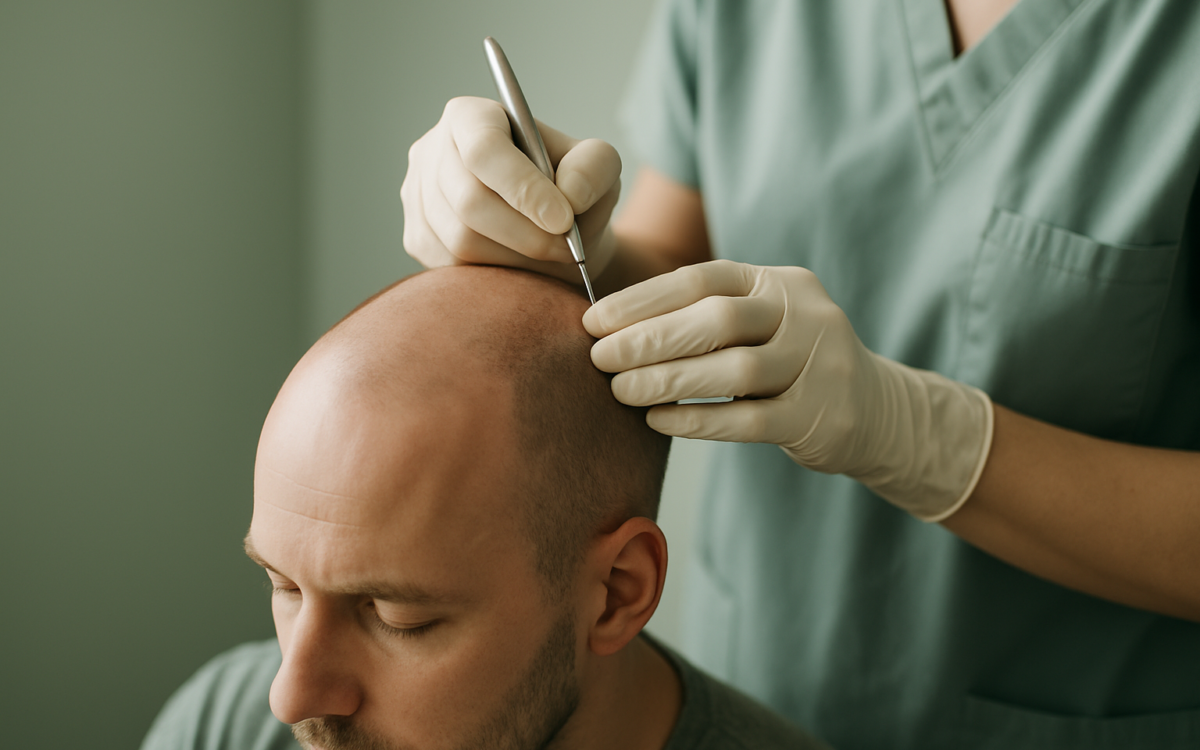
Hair loss can affect a man’s confidence and self-esteem. For many men, finding a solution to thinning hair or baldness is a personal journey. Hair transplantation has emerged as a popular choice, offering a way to restore hair and regain that sense of self. In this article, we’ll delve into the essentials of hair transplantation for men, including what it is, how it works, and what to expect during the process.
What Is Hair Transplantation?
Hair transplantation is a surgical procedure that moves hair follicles from one part of the body, known as the donor site, to areas that are thinning or balding, referred to as the recipient site. This method is often used for men experiencing male pattern baldness, which can be triggered by a variety of factors including genetics, hormonal changes, and even stress.
Types of Hair Transplant Techniques
There are two primary techniques used in hair transplantation: Follicular Unit Transplantation (FUT) and Follicular Unit Extraction (FUE).
Follicular Unit Transplantation (FUT)
Also known as the strip method, FUT involves removing a strip of skin from the donor area, usually the back of the head, where hair is more resistant to balding. The strip is then dissected into individual grafts containing 1 to 4 hair follicles each. These grafts are transplanted to the thinning areas. While this method can yield a large number of grafts in a single session, it does leave a linear scar.
Follicular Unit Extraction (FUE)
FUE differs from FUT in that it involves extracting individual hair follicles directly from the scalp. This method does not leave a linear scar, resulting in a more aesthetically pleasing outcome. FUE is generally considered less invasive and has a shorter recovery time, but it may require more time in the operating room due to the meticulous nature of the extraction process.
Who Is a Good Candidate for Hair Transplantation?
Not every man experiencing hair loss is a suitable candidate for hair transplantation. Ideal candidates typically have:
- Stable hair loss: It’s best if hair loss has stabilized to ensure the results last long-term.
- Healthy donor area: There should be sufficient healthy hair in the donor area to meet transplantation needs.
- A realistic outlook: Understanding the potential results can help set realistic expectations.
Before proceeding, it’s crucial to consult with a healthcare professional who specializes in hair restoration to assess your individual situation and explore other treatment options if necessary.
What to Expect During the Procedure
Pre-Procedure: Before the transplant, you’ll meet with your doctor to discuss your medical history, expectations, and possible risks. You may need to avoid certain medications and supplements that can increase bleeding.
During the Procedure: Hair transplants can take several hours depending on the extent of the procedure. You will be under local anesthesia, which means you’ll be awake but won’t feel pain. After the procedure, the doctor will provide aftercare instructions.
Post-Procedure: Expect some swelling and discomfort in the donor area and the recipient sites. Following your doctor’s aftercare plan is essential to ensure proper healing and results.
Potential Benefits of Hair Transplantation
Men opt for hair transplantation for several reasons:
- Restoration of Appearance: Many men feel more confident and youthful with a fuller head of hair.
- Long-Lasting Results: The hair transplant is usually permanent as it uses hair follicles resistant to balding.
- Low Maintenance: Once the hair grows back, it typically requires the same maintenance as non-transplanted hair.
Research shows that men who undergo hair transplantation often report improved self-esteem and overall quality of life. For detailed studies, you can visit sources like the National Institutes of Health (NIH).
Risks and Considerations
While hair transplantation is generally safe, there are potential risks involved, including:
- Scarring
- Infection
- Unnatural appearance if not done correctly
- Shock loss of existing hair around the transplant area
Being aware of these risks can help you make a more informed decision. Always discuss potential side effects and complications during your consultation.
When to See a Doctor
If you’re experiencing hair loss and are considering your options, it’s a good idea to consult a healthcare provider who specializes in hair restoration. A proper assessment can help determine if hair transplantation is right for you or if other treatment methods might be more effective.
In Conclusion
Hair transplantation can be a transformative solution for men struggling with hair loss. Understanding the process, types of procedures, potential benefits, and risks is essential for making an informed decision. If you’re considering this journey, take the time to research and consult with professionals to find the best path for your unique needs.
