
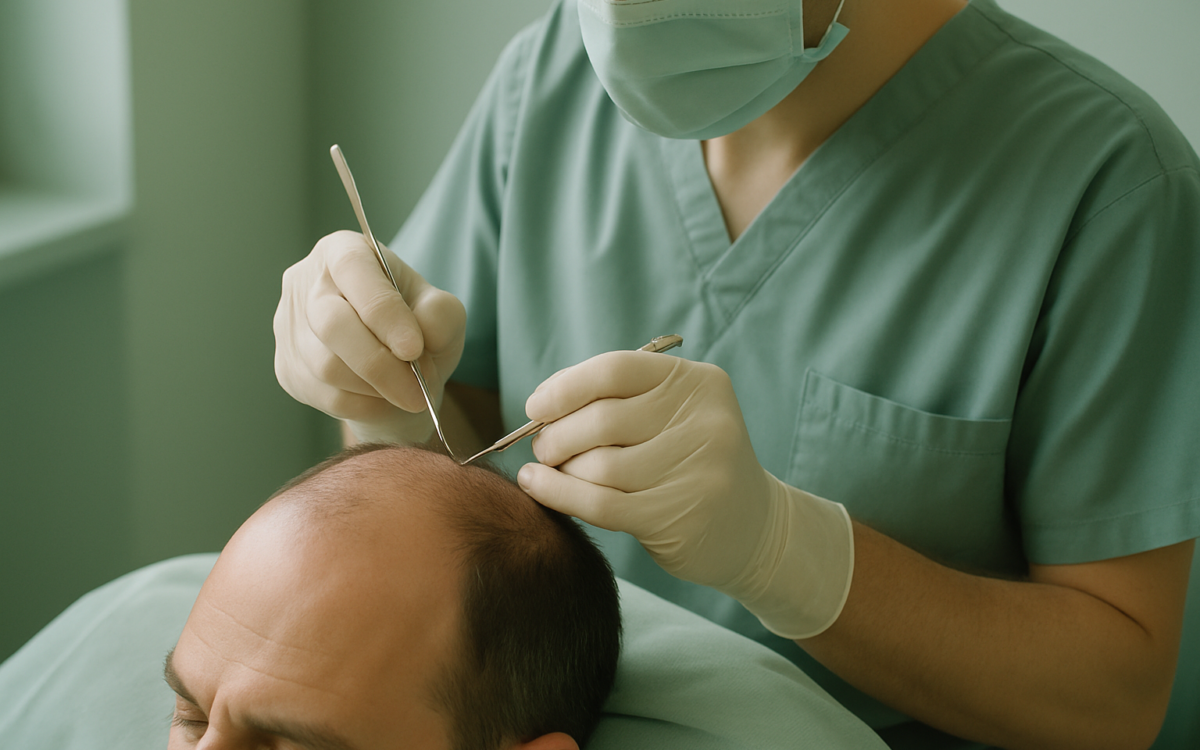
Hair loss can be a challenging experience, affecting both self-esteem and confidence. For many people, surgical hair restoration offers a way to reclaim their hair and, ultimately, their sense of self. In this article, we’ll explore the various surgical hair restoration techniques, the benefits and risks involved, and what to expect if you choose this path.
What is Surgical Hair Restoration?
Surgical hair restoration involves procedures aimed at transplanting hair follicles from areas of the scalp with thick hair to balding or thinning areas. The primary objective is to restore hair in a way that looks natural and blends seamlessly with existing hair. There are several methods available, with Follicular Unit Extraction (FUE) and Follicular Unit Transplantation (FUT) being the most common.
Popular Techniques in Surgical Hair Restoration
Follicular Unit Extraction (FUE)
FUE involves extracting individual hair follicles from the donor area, typically the back of the head, using a specialized tool. This method can be less invasive and often results in minimal scarring. The extracted follicles are then implanted in the balding areas of the scalp. Patients often experience quicker recovery times with FUE compared to FUT.
Follicular Unit Transplantation (FUT)
FUT is another widely used technique where a strip of scalp is removed from the donor area. The strip is dissected into individual follicular units, which are then transplanted into the thinning areas. While this method can yield high-density results, it may leave a linear scar at the back of the head, which can be noticeable with short hairstyles.
Other Techniques
There are also alternative methods like scalp micropigmentation (SMP), which involves tattooing the scalp to create the illusion of hair density. Additionally, advancements in robotic-assisted hair restoration have emerged, enhancing the precision and efficiency of FUE.
Pros and Cons of Surgical Hair Restoration
As with any medical procedure, surgical hair restoration has its advantages and disadvantages:
- Pros:
- Can provide a permanent solution for hair loss
- Results can look very natural
- Boosts self-esteem
- Cons:
- Cost can be significant, often ranging from $4,000 to $15,000
- Requires a recovery period
- Results can vary based on individual factors
Are You a Suitable Candidate?
Not everyone is a good candidate for surgical hair restoration. Ideal candidates are usually those with:
- Progressive hair loss
- A stable donor hair supply
- Realistic expectations about the outcomes
People with certain medical conditions or those undergoing treatment for hair loss may need to explore other options first. It’s essential to consult with a healthcare provider to assess whether surgical hair restoration is suitable for you.
International Considerations for Hair Restoration
For those considering surgical hair restoration, international options are increasingly popular. Countries like Turkey offer advanced techniques at competitive rates, often with excellent care. For example, acibademinternational.com highlights various clinics with experienced surgeons and a strong track record in hair restoration procedures.
Recovery and Aftercare
Recovery after surgical hair restoration varies based on the technique used:
- With FUE, patients may experience slight swelling and discomfort, but recovery times are generally quicker.
- FUT may require a few more days for healing due to the strip removal.
In both cases, following your surgeon’s aftercare instructions is crucial. This can include avoiding strenuous activities, protecting the scalp from sun exposure, and using prescribed medications to minimize swelling and promote healing.
When to See a Doctor
If you are experiencing significant hair loss or are considering surgical hair restoration, consult a healthcare provider. They can provide a proper diagnosis, discuss potential treatments, and help you weigh the benefits and drawbacks of surgical options.
Conclusion
Surgical hair restoration is a viable solution for those struggling with hair loss. By understanding the available techniques, potential risks, and the importance of a personalized approach, you’ll be better informed when making decisions about your hair restoration journey. Always consult with a doctor or a qualified specialist to ensure that you choose the right path for your needs.
