
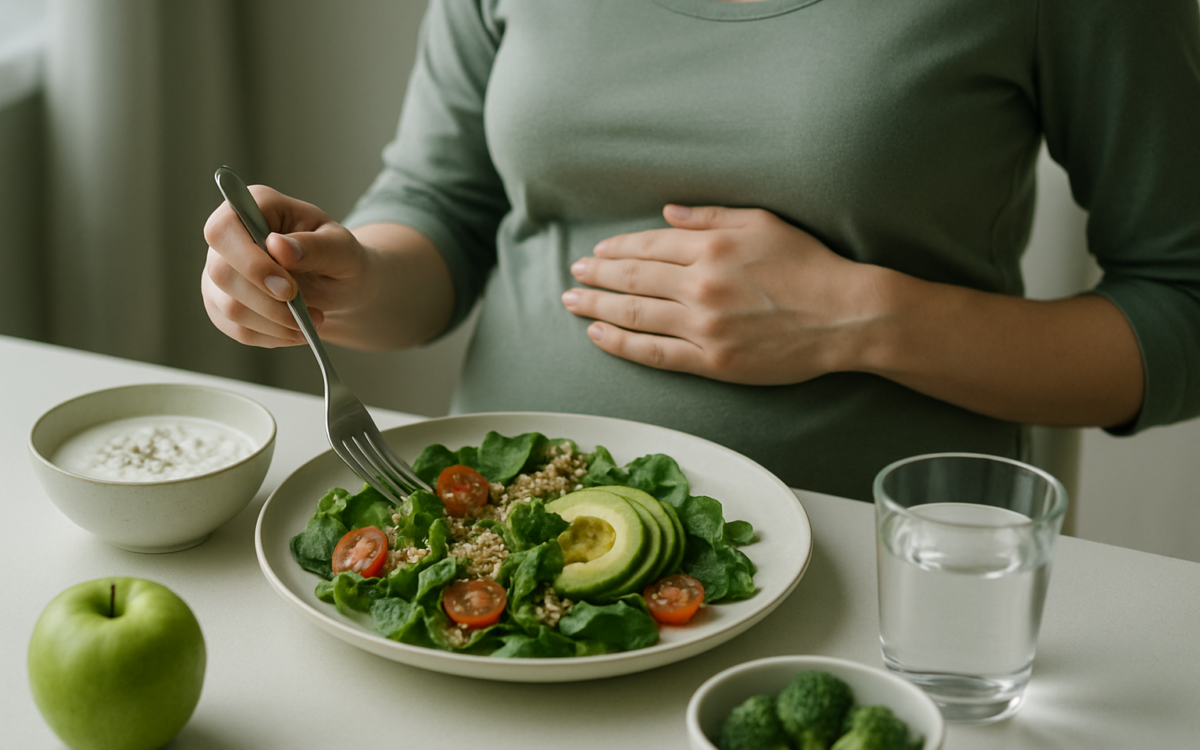
Pregnancy is a remarkable journey filled with anticipation and change. One of the most significant parts of this experience is the need for proper nutrition, which plays a pivotal role in both your health and your baby’s development. Understanding what to eat during pregnancy can seem overwhelming, but knowing which foods provide essential nutrients can simplify your meal planning.
The fundamentals of pregnancy nutrition
Nourishing your body while it nurtures a new life requires a balanced diet rich in key nutrients. Your nutritional needs will increase during pregnancy, and focusing on whole foods can have lasting benefits. The emphasis should be on foods that are high in vitamins, minerals, and other nutrients.
Key nutrients for pregnancy
Based on recommendations from sources like the Centers for Disease Control and Prevention (CDC), there are specific nutrients that are especially important during pregnancy:
- Folic Acid: It is vital for preventing neural tube defects and is essential during the first trimester. Foods rich in folate include dark leafy greens, beans, and fortified cereals.
- Iron: Increased blood volume during pregnancy raises your need for iron. Foods like lean red meat, poultry, fish, lentils, and spinach can help meet these requirements.
- Calcium: Essential for your baby’s bone development, calcium can be found in dairy products, fortified plant-based milk, and leafy greens.
- Omega-3 fatty acids: Important for brain development, omega-3s can be sourced from fatty fish, flaxseeds, and walnuts.
- Protein: Critical for the growth of fetal tissue, including the brain, protein-rich foods include poultry, fish, eggs, dairy, and legumes.
Wholesome food choices
Now that you know the key nutrients to focus on, let’s explore some good food options that can help keep you healthy during pregnancy:
Fruits and vegetables
These are packed with vitamins, minerals, and antioxidants. Aim for a variety of colors to get a broad spectrum of nutrients. Some excellent choices include:
- Berries (rich in vitamin C and fiber)
- Bananas (high in potassium and great for digestion)
- Avocados (a source of healthy fats, potassium, and folate)
- Sweet potatoes (loaded with beta-carotene, which is good for vision and immune function)
Whole grains
Whole grains are an excellent way to ensure you get enough fiber, which can help with digestion and maintain stable blood sugar levels. They include:
- Quinoa
- Brown rice
- Oats
- Whole grain bread and pasta
Lean proteins
Protein is vital for your baby’s growth. Opt for lean proteins like:
- Chicken and turkey
- Fish (aim for low-mercury options like salmon and trout)
- Beans and legumes
- Eggs (a great source of protein and other essential vitamins)
Dairy and dairy alternatives
Calcium is critical, and dairy products are typically a great source. If you’re lactose intolerant or prefer alternatives, look for:
- Fortified almond or soy milk
- Greek yogurt (higher in protein than regular yogurt)
- Cheese
Foods and activities to avoid
Just as there are beneficial foods to include in your diet, there are also some foods and substances that you may want to limit or avoid during pregnancy. These can have a negative impact on your baby’s health or your own:
- Raw or undercooked foods: This includes sushi, eggs, or meats to reduce the risk of foodborne illnesses.
- Caffeine: High caffeine intake can lead to potential complications. Consult with your doctor on appropriate levels.
- Alcohol: Since there is no known safe amount of alcohol during pregnancy, it’s best to abstain.
Staying hydrated
Hydration is as crucial as nutrition. Water supports digestion, nutrient absorption, and overall health, especially as your body undergoes various changes. Aim to drink at least 8-10 cups of water a day, more if you’re physically active or are feeling dehydrated.
Meal planning and preparation tips
To make maintaining a healthy diet easier, consider these meal planning tips:
- Plan ahead: Create a weekly menu focusing on a balance of the food groups outlined above. This helps you make sure to include key nutrients.
- Prep your meals: Prepare larger portions when you can, so you have healthy meals ready to go during busier days.
- Listen to your cravings: Sometimes cravings can signal specific nutritional needs, so pay attention and find healthier alternatives if needed.
When to see a doctor
If you have concerns about your diet or nutrition during pregnancy, it’s essential to speak with your healthcare provider. They can offer personalized advice based on your specific health needs.
Conclusion
Choosing good food for pregnancy involves making informed decisions about the nutrients that support both you and your baby. By focusing on a balanced diet rich in fruits, vegetables, whole grains, lean proteins, and healthy fats, you can nourish yourself during this important time. Remember, every pregnancy is unique, so stay connected with your healthcare provider to ensure you get the best guidance tailored to your needs.
