
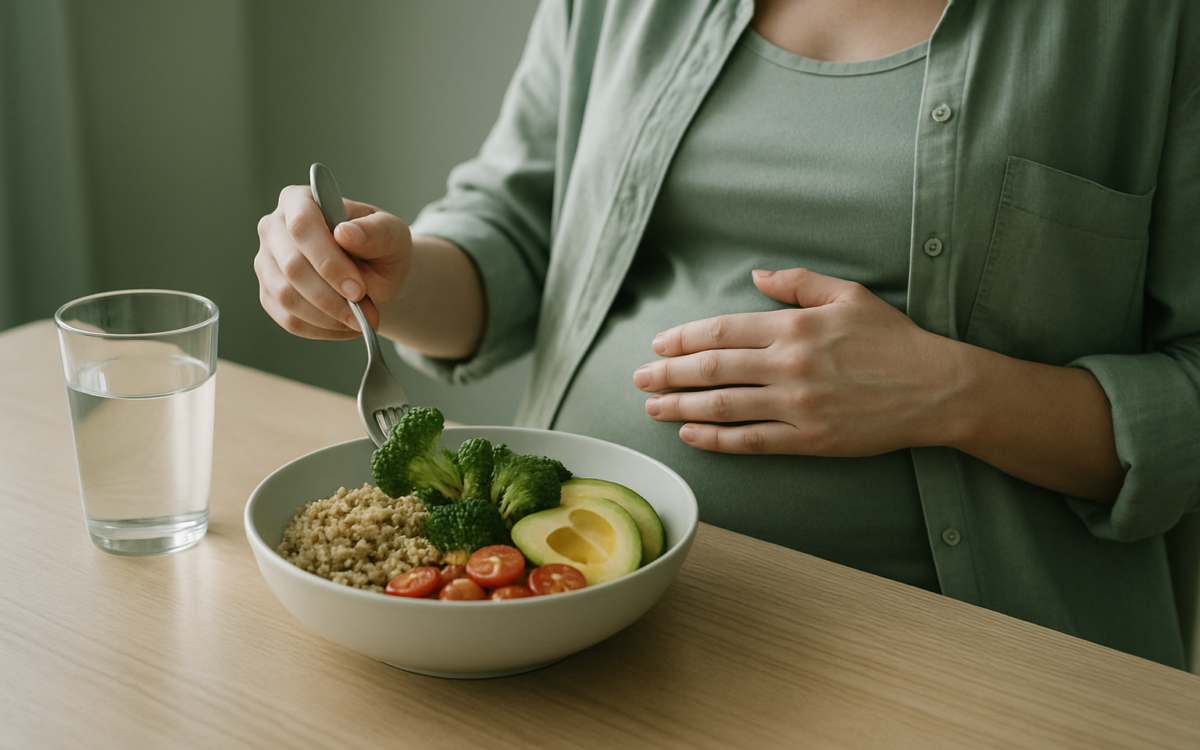
Pregnancy is a remarkable journey filled with excitement, anticipation, and a variety of changes in your body. One of the most important aspects of maintaining your health during this time is your diet. Eating well not only benefits you but also supports your baby’s development. In this article, we’ll explore the best foods to help nourish your pregnancy.
Understanding Nutritional Needs
During pregnancy, your body’s nutritional needs grow and change. You need more calories, protein, vitamins, and minerals to support both you and your developing baby. Nutrients like folic acid, iron, calcium, and omega-3 fatty acids are particularly important.
Essential Food Groups for Pregnant Women
Incorporating a variety of food groups into your diet is vital for ensuring that you receive the right nutrients. Here are some essential categories to consider:
Fruits and Vegetables
- Rich in vitamins, minerals, and fiber, fruits and vegetables should form a large part of your daily diet.
- Best choices include leafy greens (such as spinach and kale), berries, bananas, oranges, and carrots.
- These foods are high in antioxidants, which are beneficial for your overall health and may help protect your baby from some conditions.
Whole Grains
- Whole grains such as brown rice, quinoa, and whole grain bread provide essential carbohydrates for energy.
- They also supply fiber, which can help prevent constipation—something many women experience during pregnancy.
- Opt for whole grains over refined grains whenever possible to maximize nutrient intake.
High-Quality Proteins
- Protein is crucial for the growth and development of your baby. Include lean meats (like chicken and turkey), fish (preferably low in mercury, such as salmon), eggs, beans, and tofu in your diet.
- Aim for about 75 to 100 grams of protein daily, adjusted for your individual needs and doctor’s advice.
Dairy Products
- Dairy foods are excellent sources of calcium, which is essential for the development of your baby’s bones and teeth.
- Consider low-fat options like yogurt, milk, and cheese. These also provide protein and other important nutrients.
- If you are lactose intolerant, there are many lactose-free dairy options available, as well as fortified plant-based alternatives.
Important Nutrients to Focus On
The food you eat should ideally be rich in specific nutrients that support both your health and your baby’s development. Here are some key nutrients to keep in mind:
Folic Acid
- Folic acid is critical for preventing neural tube defects and should be included in your diet before conception and during early pregnancy.
- Sources include leafy greens, fortified cereals, beans, and citrus fruits.
Iron
- Iron supports increased blood volume and helps prevent anemia during pregnancy. It’s also essential for your baby’s growth.
- Consume iron-rich foods like red meat, spinach, lentils, and fortified cereals. Pairing these with vitamin C-rich foods (like oranges and bell peppers) can enhance iron absorption.
Omega-3 Fatty Acids
- Omega-3s are vital for your baby’s brain and eye development. Aim for at least two servings of fatty fish per week.
- Other sources include flaxseeds, walnuts, and chia seeds.
Foods to Avoid
While many foods can energize and nourish you during pregnancy, some should be limited or avoided entirely:
- Raw or undercooked seafood, eggs, and meat: These can harbor harmful bacteria or parasites.
- Certain fish high in mercury: Avoid shark, swordfish, king mackerel, and tilefish.
- Caffeine: Limit intake, as high levels could pose risks.
- Alcohol: The safest option is to avoid alcohol entirely during pregnancy.
Practical Tips for Healthy Eating
Maintaining a healthy diet during pregnancy can be challenging, especially if you experience cravings or morning sickness. Here are some practical tips to help you:
- Plan your meals: Developing a meal plan can help you ensure you’re including a variety of foods throughout the week.
- Stay hydrated: Drink plenty of water to stay hydrated, especially as you increase your caloric intake.
- Listen to your body: Pay attention to your hunger cues, and don’t stress over occasional indulgences.
- Seek variety: Try new foods and recipes to keep your meals interesting and nutritionally balanced.
When to See a Doctor
If you have specific dietary concerns or are experiencing symptoms like severe nausea or food aversions, it’s a good idea to discuss these issues with your healthcare provider. Additionally, consult with your doctor if you’re considering taking vitamin supplements, as not all pregnant women require them, and excessive intake can be harmful.
In conclusion, a well-balanced diet rich in various nutrients is vital for both your health and your baby’s well-being during pregnancy. Focus on whole foods, and don’t hesitate to ask questions during your prenatal visits about any concerns related to your diet.
