
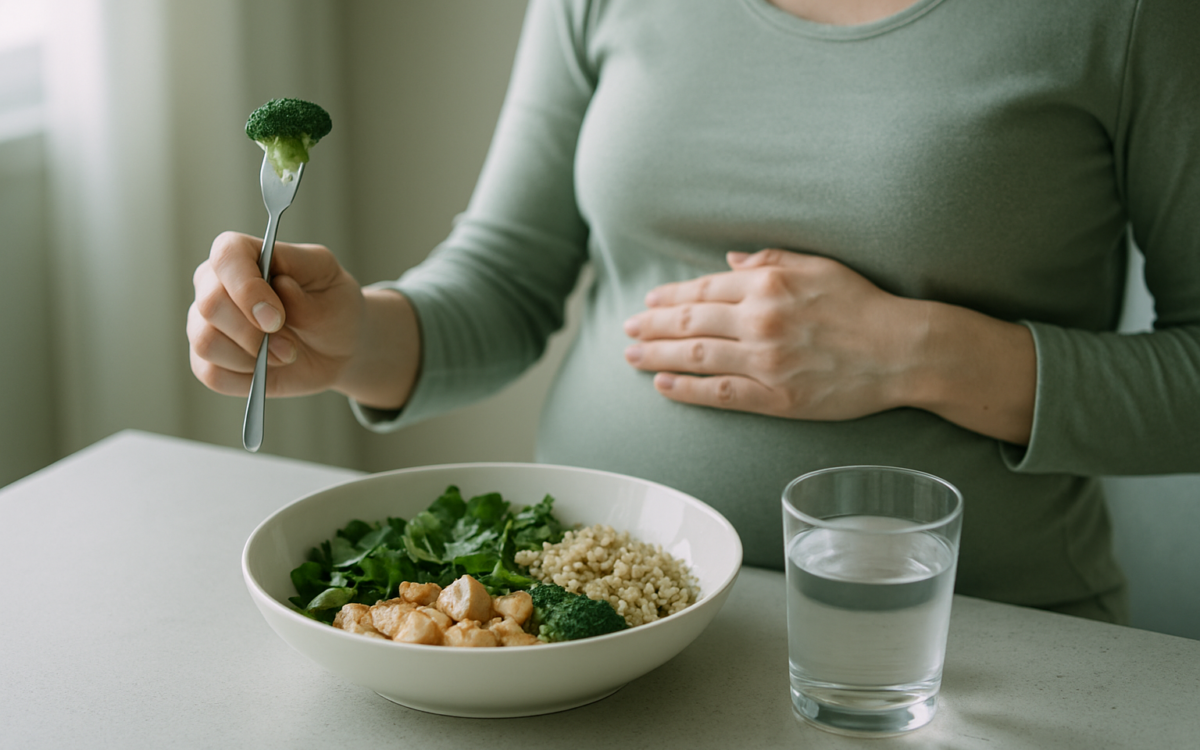
Pregnancy is an exciting time, filled with anticipation and change. Along with the joys of expecting a new addition to the family, it also comes with new nutritional needs. A healthy diet is crucial for both the mother and the developing baby. This article offers meal ideas and tips that can help pregnant women nourish their bodies and support their growing baby.
Understanding Nutritional Needs in Pregnancy
During pregnancy, a woman’s body goes through significant changes that demand an increased intake of nutrients. Key vitamins and minerals become increasingly important. For example, folic acid helps with the development of the baby’s neural tube, while calcium supports the development of bones and teeth.
A pregnant woman generally requires about 300 extra calories a day, especially in the second and third trimesters. However, it’s essential to focus on the quality of those calories rather than just the quantity. Healthy, nutrient-dense foods should be the priority.
Meal Planning Basics
When planning meals, consider including a variety of foods to ensure a balanced intake of nutrients. Here are some categories of foods to include:
- Fruits and Vegetables: Aim for at least five servings a day. They provide essential vitamins and antioxidants.
- Whole Grains: Opt for whole grain bread, brown rice, and oatmeal to ensure adequate fiber intake.
- Protein Sources: Include lean meats, fish, eggs, beans, and nuts. Aim for good sources of omega-3 fatty acids, such as salmon.
- Dairy or Alternatives: Incorporate dairy products or fortified plant-based alternatives for calcium and vitamin D.
Sample Meal Ideas
Here are some meal ideas that can help pregnant women meet their nutritional needs:
Breakfast:
- Vegetable Omelet: Use eggs, spinach, tomatoes, and feta cheese. Serve with a slice of whole-grain toast.
- Greek Yogurt Parfait: Layer Greek yogurt with fresh berries and granola for a delicious and nutritious start to your day.
- Whole Grain Banana Pancakes: Make pancakes using whole wheat flour and ripe bananas, topped with a drizzle of honey.
Lunch:
- Quinoa Salad: Toss together cooked quinoa, black beans, bell peppers, corn, and avocado for a refreshing meal.
- Turkey and Avocado Wrap: Use a whole grain wrap filled with lean turkey, avocado, lettuce, and tomato.
- Lentil Soup: A hearty soup made from lentils, carrots, and celery provides protein and fiber.
Dinner:
- Baked Salmon: Serve with steamed broccoli and quinoa. Salmon is rich in omega-3s, beneficial for baby’s brain development.
- Stir-Fried Tofu and Vegetables: Include a variety of colorful vegetables and serve over brown rice.
- Chicken and Sweet Potato: Roast chicken with sweet potatoes and green beans for a balanced meal.
Snacks and Supplements:
Healthy snacks can also play a vital role in keeping energy levels up throughout the day:
- Fresh Fruit: Apples, bananas, or berries provide quick energy and satisfy sweet cravings.
- Nuts and Seeds: A small handful of unsalted nuts can provide healthy fats and protein.
- Cheese Sticks: These provide calcium and are easy to grab on the go.
Hydration Matters
Staying well-hydrated is important during pregnancy. Water is vital for maintaining good health. Aim for about 8-10 glasses a day, but adjust as needed based on activity level and climate. Drinking plenty of fluids can also help prevent constipation.
Food Safety Tips
Pregnant women should be mindful of food safety to reduce the risk of foodborne illnesses. Here are some recommended practices:
- Cook Foods Thoroughly: Ensure all meats, poultry, and fish are cooked to the proper internal temperature.
- Avoid Raw or Undercooked Foods: Steer clear of sushi, raw eggs, and undercooked meats.
- Wash Fruits and Vegetables: Make sure to wash all produce thoroughly to remove any harmful contaminants.
When to See a Doctor
If you have concerns about your diet or if you experience unusual symptoms, such as significant weight loss, fatigue that doesn’t go away with rest, or severe nausea, consult your healthcare provider. They can provide tailored advice that meets your specific health needs.
Conclusion
Eating a well-balanced diet during pregnancy is key to ensuring both the mother and baby stay healthy. By incorporating a variety of nutrient-dense foods, staying hydrated, and adhering to food safety guidelines, pregnant women can nourish their bodies and support their growing babies. Always keep an open line of communication with your healthcare provider regarding your diet and health throughout this vital journey.
