
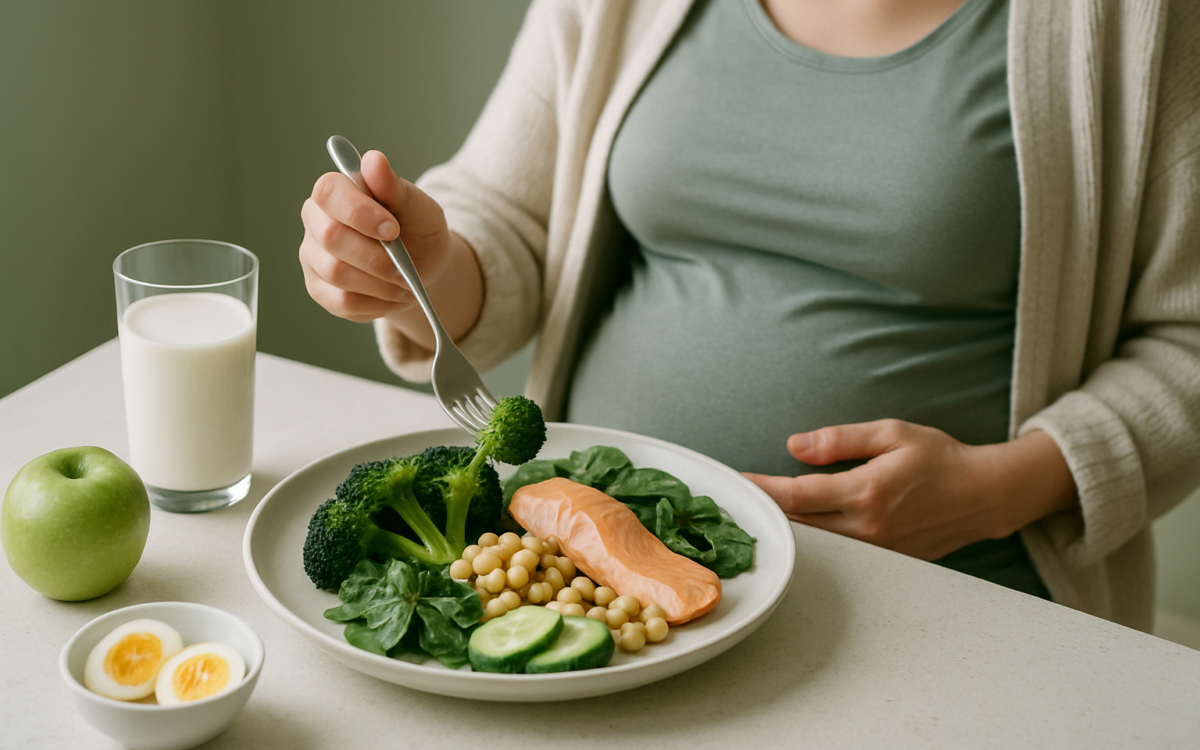
Pregnancy is an exciting and transformative time in a woman’s life. With so many changes happening in your body, it’s crucial to focus on nutrition. The foods you eat can support not only your health but also the growth and development of your baby. So, what should you eat during pregnancy? Let’s explore the essential nutrients and food groups that can help you navigate this journey.
Key Nutrients for a Healthy Pregnancy
During pregnancy, certain nutrients become increasingly important. Here’s a quick overview of some key nutrients you should focus on:
- Folate: Essential for fetal development, especially for the neural tube. Sources include leafy greens, beans, and fortified cereals.
- Iron: Necessary for developing red blood cells. Good sources are lean meats, spinach, lentils, and fortified grains.
- Calcium: Supports the development of bones and teeth. Look for dairy products, fortified plant-based milks, or leafy greens.
- Protein: Vital for the growth of tissues. Include lean meats, eggs, nuts, and beans in your diet.
- Omega-3 Fatty Acids: Important for brain development. Found in fish, flaxseeds, and walnuts.
Fruits and Vegetables
Eating a variety of fruits and vegetables during pregnancy is beneficial for both you and your baby. These foods are packed with essential vitamins, minerals, and antioxidants. Aim for multiple servings a day, focusing on:
- Leafy Greens: Foods like spinach and kale are high in folate and calcium.
- Colorful Fruits: Berries, oranges, and bananas provide antioxidants and vitamins.
- Cruciferous Vegetables: Broccoli and cauliflower offer fiber and nutrients.
Consider making smoothies or soups to vary your intake and make it easier to consume larger quantities of produce.
Proteins to Power Your Pregnancy
Protein is crucial during pregnancy as it helps build your baby’s cells. Incorporate a mix of sources into your diet:
- Lean Meats: Chicken and turkey are excellent choices.
- Fish: Opt for low-mercury varieties like salmon and shrimp. Fish is also rich in omega-3 fatty acids.
- Plant-Based Options: Beans, lentils, and tofu are great sources of protein if you prefer vegetarian or vegan diets.
For international patients, understanding local food options while traveling can be essential. If you’re considering healthcare abroad, resources like international patient services can offer guidance on dietary needs and local cuisine.
Whole Grains for Sustained Energy
Along with fruits, vegetables, and proteins, whole grains are a vital part of your pregnancy diet. They provide energy and essential nutrients such as fiber, which helps prevent constipation—a common issue during pregnancy. Include:
- Quinoa: A complete protein and gluten-free option.
- Brown Rice: Provides fiber and is versatile for many dishes.
- Whole Wheat Bread: Choose whole grain bread over white bread for more nutrients.
These grains can fill your meals with energy and keep you satisfied longer.
Hydration and Healthy Beverages
Staying hydrated is vital, especially during pregnancy. Water should be your primary beverage, but you can also enjoy:
- Herbal Teas: Some teas are safe during pregnancy, but avoid those with caffeine and certain herbs. Always check with your provider.
- Milk: Provides calcium and vitamin D, which are crucial for bone health.
- Fresh Fruit Juices: Opt for 100% juices without added sugars.
Avoid sugary drinks and limit caffeine intake to no more than 200 mg per day, as suggested by sources like the CDC.
Foods to Avoid
While there are many healthy foods to enjoy, it’s equally important to know what to avoid to protect your baby’s health. Limit or eliminate:
- Raw or Undercooked Foods: This includes sushi, eggs, and meats, which can carry the risk of foodborne illness.
- Caffeine: Moderation is key. High caffeine consumption has been linked to miscarriage and low birth weight.
- Alcohol: There is no safe level of alcohol consumption during pregnancy.
Always consult with your healthcare provider if you’re unsure about specific foods or dietary recommendations.
When to See a Doctor
If you have specific dietary restrictions, pre-existing health conditions, or experience unusual symptoms during pregnancy, it’s essential to consult your doctor. Regular prenatal care visits will help monitor both your and your baby’s health and address any nutritional concerns.
In your prenatal journey, focus on a balanced diet rich in nutrients while also enjoying the experience. Don’t hesitate to reach out to healthcare professionals whenever you have questions or concerns about your diet during pregnancy.
