
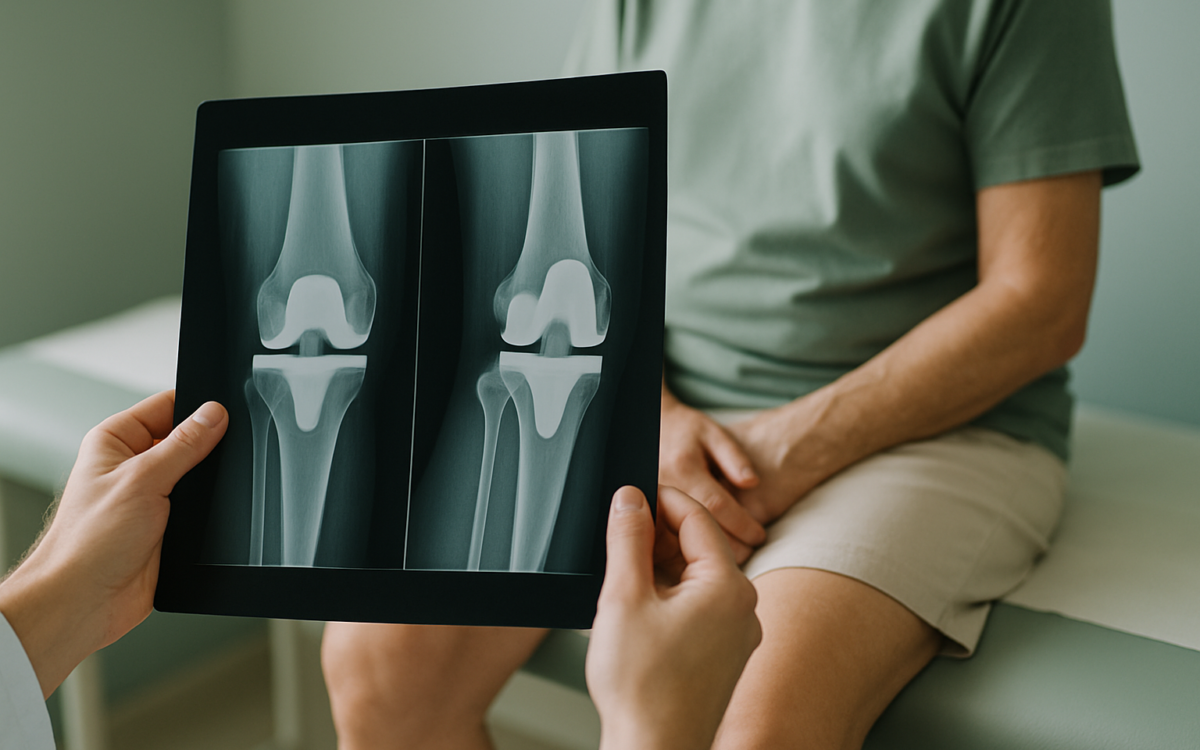
If you’re considering a complete knee replacement, visualizing the procedure and the recovery process can be immensely helpful. This surgery, which involves removing damaged cartilage and bone from the thighbone, shinbone, and kneecap, and replacing them with artificial components, can significantly enhance quality of life for individuals suffering from chronic knee pain, arthritis, or injuries. In this article, we will take a closer look at different aspects of knee replacement surgery through pictures, providing you with the information you need to understand what to expect before, during, and after the operation.
The Anatomy of the Knee
Before we dive into the pictures of the surgery itself, it’s essential to understand the basic anatomy of the knee. The knee is a complex joint connecting the femur (thighbone) to the tibia (shinbone) and includes the patella (kneecap). These bones are cushioned by cartilage, which facilitates smooth movement. Various ligaments stabilize the joint, while synovial fluid lubricates the knee.
Images of a healthy knee joint compared to one affected by arthritis illustrate the physical changes that can lead to the need for surgery. In cases of severe arthritis, the cartilage wears away, causing pain and decreased mobility.
What Does a Complete Knee Replacement Entail?
A complete knee replacement surgery aims to alleviate pain and restore function by replacing the damaged components of the knee with artificial parts. This involves several steps, and images showing each phase can help demystify the process.
- Preparation: Before surgery, patients undergo a series of tests to evaluate their overall health. Photos of the pre-operative consultation can provide context.
- Anesthesia: Patients are given either general or spinal anesthesia. Images of the surgical room can show the environment where the procedure takes place.
- Incision: The surgeon makes an incision over the knee to access the joint. Pictures of this step illustrate the surgical field and the precision required.
- Removing Damaged Tissue: The surgeon carefully removes damaged cartilage and bone. Photos can show the extent of the damage.
- Placement of Prosthesis: The artificial knee components are then put in place. Pictures depicting this process reveal how the new knee aligns with the existing bone.
- Suturing: Finally, the incision is sutured closed. Images of the post-operative knee highlight the surgical dressings.
For more details on the surgical procedure, consult reputable sources such as the National Institutes of Health or the Mayo Clinic.
Post-Surgery Expectations
After a complete knee replacement, understanding what to expect can alleviate anxiety. Photos of the recovery process can offer insights into the journey ahead, including:
- Immediate Post-op Recovery: Patients often stay in the hospital for a few days post-surgery. Pictures of recovery rooms can illustrate what this space looks like.
- Physical Therapy: Rehabilitation begins right after surgery, focusing on gentle movements. Images of patients in therapy highlight their progress through exercises.
- Home Care: After discharge, patients are guided on wound care, mobility aids, and more. Photos showing how to manage care at home can be extremely useful.
For recovery statistics and best practices, refer to resources such as the Centers for Disease Control and Prevention.
Long-Term Outcomes
Understanding the long-term outcomes of knee replacement can help manage expectations. Over time, patients typically experience significant pain relief and improved function. Photos of patients participating in activities they enjoy—like walking, golfing, or dancing—can illustrate the successful outcomes of the surgery.
However, some images may also depict common complications or issues, such as swelling or stiffness, which can occur even after successful surgery. It’s crucial to maintain follow-up appointments and communicate with your doctor about any concerns.
Potential Risks and Complications
Like any surgery, complete knee replacement poses risks. Being aware of potential complications can prepare you better. Images that illustrate possible issues, such as prosthesis wear or infection, can provide valuable context. Common risks include:
- Infection
- Blood clots
- Prosthesis failure
- Joint stiffness
Educating yourself about these risks empowers you to take informed steps and speak candidly with your healthcare provider.
When to See a Doctor
If you experience unusual symptoms during your recovery or years after surgery, such as severe pain, swelling, or fever, it’s crucial to consult your healthcare provider. Additionally, any sudden changes in mobility or functionality should also be evaluated by a professional.
In conclusion, understanding complete knee replacement through pictures can significantly enhance your comprehension of the procedure and recovery process. The journey may seem daunting, but knowing what to expect can foster confidence and a positive outcome. For further information and updates on the procedure, always refer to reputable medical sources.
