
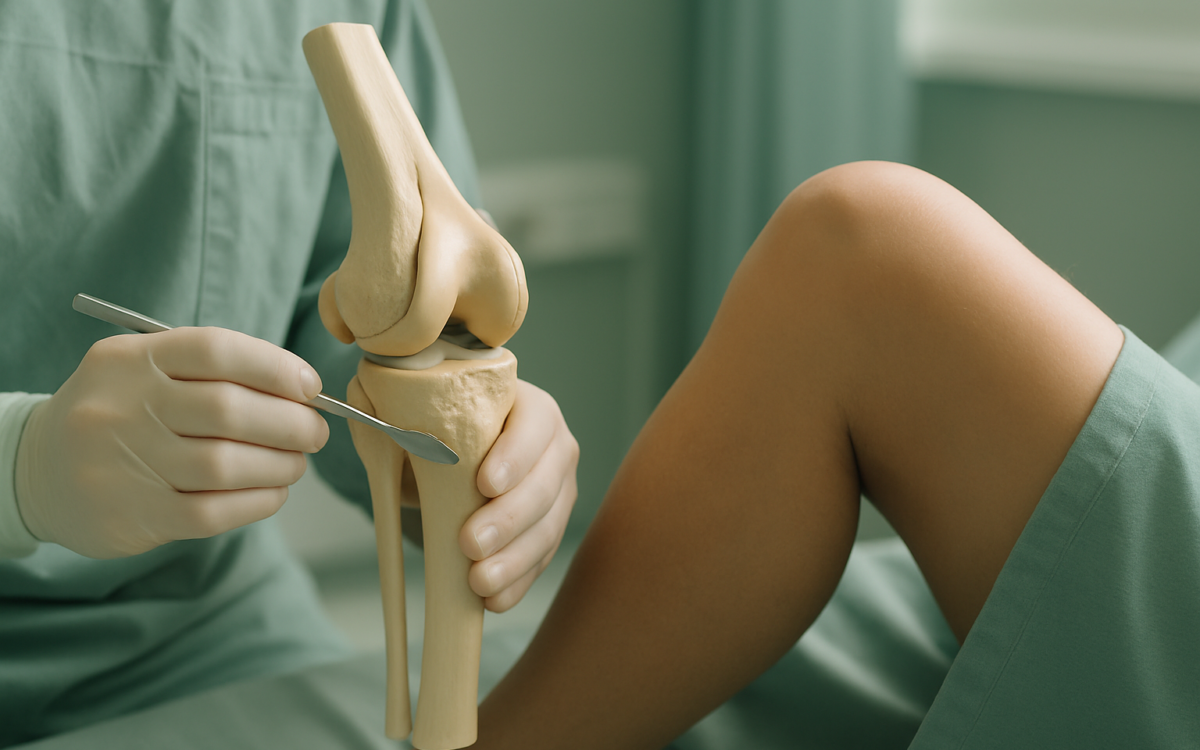
Knee problems can be a real pain, especially when they hinder your daily activities. Whether you’re an athlete or simply someone who enjoys walking, damaged cartilage can lead to discomfort and limited movement. Fortunately, medical advancements have paved the way for various knee operations aimed at repairing this vital tissue. In this article, we’ll explore the types of knee operations focused on cartilage repair, what to expect during recovery, and when it’s essential to seek medical advice.
What is Cartilage and Why Is It Important?
Cartilage is a smooth, flexible tissue found in various parts of the body, including joints. It acts as a cushion between bones, allowing them to glide over each other without friction. In the knee, there are two primary types of cartilage:
- Articular cartilage: This cartilage covers the ends of the bones in the joint, helping them move smoothly.
- Meniscus cartilages: These are crescent-shaped structures in the knee that absorb shock and distribute weight across the joint.
When cartilage is damaged, usually from injury or degenerative conditions like osteoarthritis, it can lead to pain, swelling, and decreased range of motion. Understanding the role of cartilage helps underscore the importance of timely medical intervention.
Common Knee Operations for Cartilage Repair
There are several surgical options available for repairing knee cartilage, each with its own benefits and considerations:
1. Arthroscopic Surgery
Arthroscopy is a minimally invasive technique used for diagnosing and treating various knee problems. A surgeon makes small incisions in the knee and inserts a tiny camera called an arthroscope. This allows for a clear view of the cartilage and surrounding structures.
During arthroscopy, the surgeon might perform procedures such as:
- Debridement: Removing loose fragments of cartilage or bone to reduce pain.
- Microfracture: Creating tiny holes in the bone to encourage the growth of new cartilage.
2. Osteochondral Autograft Transplantation
This procedure involves taking healthy cartilage from a non-weight-bearing area of the knee or another part of the body and transplanting it to the damaged area. It is typically used for localized cartilage lesions.
3. Osteochondral Allograft Transplantation
Unlike autografting, this technique uses donor cartilage from a cadaver. It’s beneficial for extensive damage where a larger section of cartilage needs to be replaced.
4. Stem Cell Therapy
This innovative approach involves injecting stem cells (often derived from bone marrow) into the damaged area of the knee. The goal is to encourage the growth of new cartilage and repair the damage.
Recovery After Knee Cartilage Surgery
Recovery time after knee cartilage surgery can vary depending on the specific procedure and individual health factors. Here are some general expectations:
- Physical Therapy: Rehabilitation is essential for regaining strength and mobility. A physical therapist will guide you through exercises tailored to your recovery.
- Pain Management: Pain and swelling are common post-operative experiences. Your doctor will provide guidance on medications to help manage discomfort.
- Duration: Full recovery can take several weeks to months, depending on the extent of the surgery and your overall health.
Risks and Considerations
As with any surgery, knee operations for cartilage repair come with risks. Some potential complications include:
- Infection
- Blood clots
- Further cartilage damage
- Stiffness or limited range of motion
Discuss these risks with your orthopedic surgeon to weigh the benefits against the potential downsides.
When to See a Doctor
If you experience persistent knee pain, swelling, or instability, it’s crucial to consult a healthcare professional. Early diagnosis and intervention can prevent further damage and improve outcomes. Look for signs such as:
- Increased pain or swelling after rest
- Inability to perform daily activities or sports
- Grinding or popping sounds in the knee
Conclusion
Knee operations for cartilage repair can significantly improve the quality of life for those suffering from joint issues. Understanding the types of procedures available, recovery expectations, and when to seek medical advice can empower you in your journey toward better knee health. Always consult with a qualified healthcare provider to determine the best course of action for your specific situation. For additional information, consider reviewing resources from the National Institutes of Health or the Mayo Clinic.
