
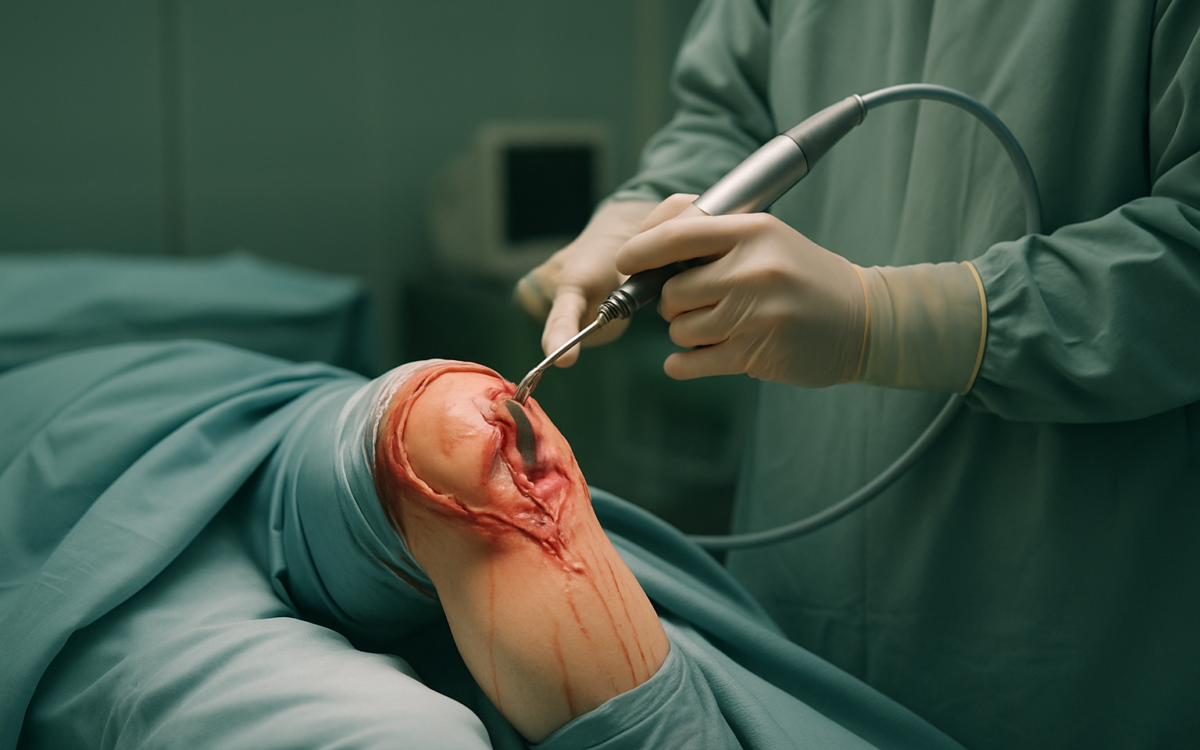
Knee reconstruction surgery is a significant procedure aimed at repairing damage to the knee joint. Whether caused by an injury, arthritis, or other medical conditions, this surgery can help restore function and improve quality of life. Understanding the details of the surgery, what to expect during recovery, and how to manage your rehabilitation can provide peace of mind and set you on the path to recovery.
What is knee reconstruction surgery?
Knee reconstruction surgery is a general term that refers to various procedures aimed at restoring the structure and function of the knee. It typically involves repairing or replacing damaged cartilage, ligaments, or bones due to injury or degenerative diseases. The most common type of knee reconstruction is the anterior cruciate ligament (ACL) reconstruction, often performed on athletes or active individuals.
Reasons for knee reconstruction
Many factors can lead to the need for knee reconstruction surgery:
- Injuries: Sports-related injuries, falls, and accidents can damage ligaments and cartilage.
- Arthritis: Osteoarthritis or rheumatoid arthritis can wear down joint tissues, leading to chronic pain and decreased mobility.
- Deformities: Conditions such as knee osteochondritis dissecans can cause knee deformities requiring surgical intervention.
In some cases, less invasive methods of treatment, such as physical therapy or medication, may be effective. However, if these methods fail to alleviate symptoms, surgery may be the next step.
Types of knee reconstruction procedures
There are several types of knee surgeries, depending on the specific damage and the patient’s needs:
- ACL Reconstruction: This procedure involves replacing a torn ACL with a graft, which can be taken from the patient’s own body or a donor.
- Meniscus Repair: The meniscus is a cartilage cushion in the knee. Repairing a torn meniscus aims to restore the joint’s function and reduce pain.
- Partial Knee Replacement: This surgery replaces only the damaged part of the knee joint, preserving as much natural knee as possible.
- Total Knee Replacement: In severe cases, the entire knee joint is replaced with an artificial joint.
Your orthopedic surgeon will determine the most suitable procedure based on your specific situation and medical history.
The surgical process
The process of knee reconstruction begins with a thorough evaluation by your orthopedic surgeon. This may include:
- Patient history and physical examination
- Imaging tests, such as X-rays or MRIs, to assess the damage
Once surgery is deemed necessary, the following steps typically occur:
- Preoperative Preparation: You might be advised to stop certain medications, avoid eating or drinking before surgery, and follow any specific guidelines provided by your physician.
- Anesthesia: Knee reconstruction is usually performed under general or regional anesthesia, ensuring that you feel no pain during the procedure.
- The Procedure: The surgeon will make incisions to access the knee joint. They will then perform the necessary repairs or replacements as determined.
- Recovery in the Hospital: You will be monitored in the recovery room post-surgery, where medical staff will manage pain and ensure your condition stabilizes.
Most patients can go home on the same day or after a short hospital stay, depending on the type of surgery performed.
Recovery and rehabilitation
Recovery from knee reconstruction surgery varies by individual and the complexity of the procedure.
Typically, the recovery process includes:
- Initial Rest: The first few days post-surgery, rest is vital. Ice, elevation, and pain management are key elements.
- Physical Therapy: A structured rehabilitation program will start as early as possible to restore strength and mobility. Your physical therapist will guide you through exercises tailored to your recovery.
- Gradual Activity Increase: As you heal, you will gradually return to daily activities and consider sports on your healthcare provider’s advice.
The rehabilitation process can take several months, and patience is essential. Commitment to physical therapy significantly impacts recovery success, helping to regain strength and motion.
Potential risks and complications
As with any surgical procedure, knee reconstruction has risks. Possible complications include:
- Infection: Occurs when bacteria invade the surgical site.
- Blood Clots: These can form in the leg veins after surgery, increasing the risk of pulmonary embolism.
- Further Injury: There is always a chance that the knee may not heal as expected, leading to additional surgery or complications.
Discussing these risks with your doctor beforehand can help set realistic expectations and ensure you are aware of the signs to watch for post-surgery.
When to see a doctor
If you experience any of the following symptoms before or after surgery, consult your doctor:
- Persistent pain not managed with prescribed medication
- Swelling in the knee that does not improve
- Signs of infection, such as redness, warmth, or discharge from the wound
- Difficulty moving the knee or bearing weight
Prompt attention to these issues can help facilitate a smooth recovery process.
In conclusion, knee reconstruction surgery is a vital procedure for restoring function and relieving pain for many individuals. Understanding the types of surgeries, recovery expectations, and potential risks can empower patients to make informed decisions about their treatment. Always consult with a qualified healthcare provider to discuss your unique circumstances and determine the best course of action for your knee health.
