
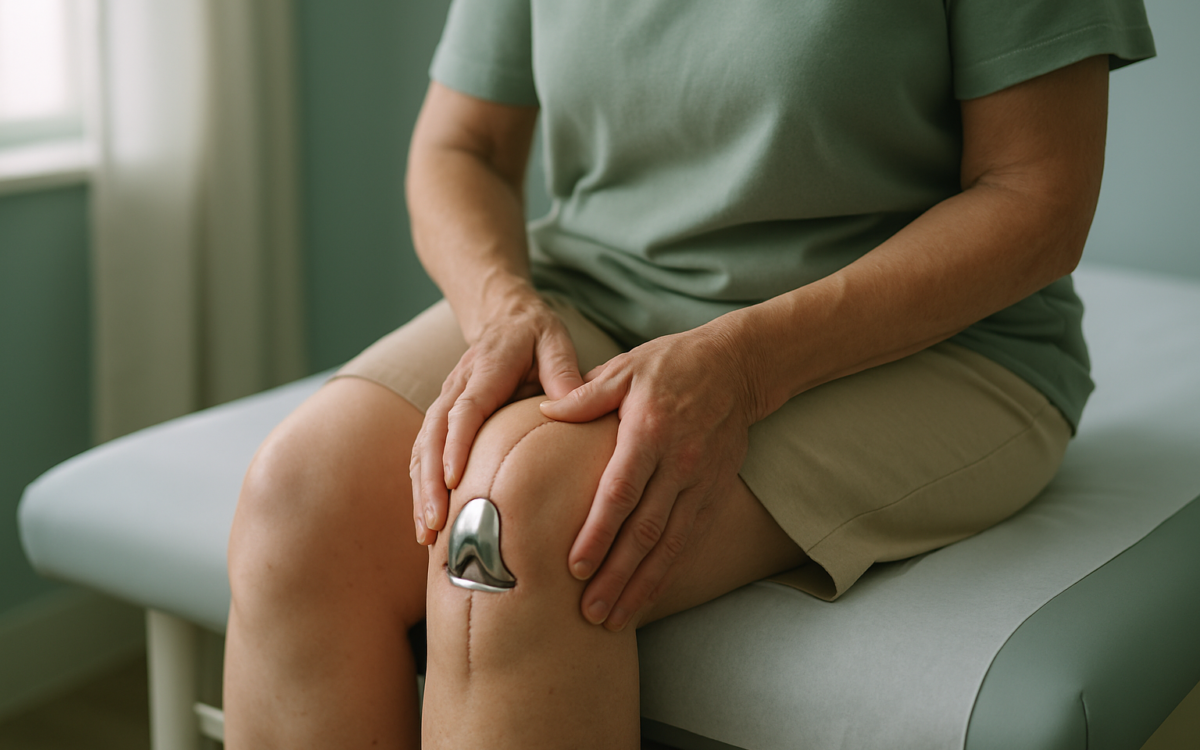
Knee replacement surgery, known as arthroplasty, is a common procedure that relieves pain and restores function in people suffering from severe knee arthritis or injury. While many patients experience relief after surgery, some face unexpected pain as they recover. Understanding the nature of this pain, its causes, and potential management strategies can help patients navigate their recovery with confidence.
What to Expect After Knee Replacement Surgery
After undergoing knee replacement surgery, it’s normal to anticipate some level of discomfort. The body has undergone a significant procedure, and surrounding tissues have been affected. However, the intensity and duration of pain can vary widely from patient to patient.
- Immediate Post-Operative Pain: This typically peaks within the first few days after surgery and gradually subsides.
- Pain in Specific Areas: Some patients report soreness around the incision site or in the muscles supporting the knee.
- Joint Stiffness: Patients might also experience stiffness, especially after long periods of inactivity.
Common Causes of Knee Replacement Pain
Understanding the sources of pain after knee replacement surgery can help patients manage their expectations and seek appropriate relief. Here are some common causes:
1. Surgical Trauma
The procedure itself can cause swelling and inflammation in and around the knee joint, leading to pain. As the body heals, this discomfort often diminishes over time.
2. Nerve Damage
During surgery, there’s a risk of damaging nearby nerves. This may lead to sensations of pain, tingling, or numbness which can persist for several months post-operatively.
3. Infection
Though uncommon, infections can occur at the surgical site or within the joint. Signs include increased redness, swelling, and localized warmth. It’s crucial to consult a doctor if these symptoms arise.
4. Implant Issues
In some cases, issues with the prosthetic itself can result in pain. Misalignment or wearing of the implant could lead to discomfort. Patients should report persistent pain to their healthcare provider to determine if further evaluation is necessary.
Managing Knee Replacement Pain
There are several effective strategies for managing knee replacement pain, and combining these approaches can lead to improved outcomes:
1. Medications
Many patients are prescribed pain medications following surgery. Options may include:
- Nonsteroidal anti-inflammatory drugs (NSAIDs) to help reduce inflammation and pain.
- Acetaminophen for pain relief.
- Prescription medications for more severe pain, including opioids.
Always consult with your healthcare provider before making changes to your medication regimen.
2. Physical Therapy
A structured physical therapy program is crucial for recovery. Therapists can provide exercises tailored to strengthen the knee and improve flexibility, helping to alleviate pain over time. Patients are encouraged to begin therapy soon after surgery to optimize recovery.
3. Home Remedies
At-home methods can also aid in pain management:
- Ice Therapy: Applying ice to the knee can reduce swelling and numb the pain. Consider icing for 15-20 minutes several times a day, especially after physical activity.
- Elevation: Keeping the knee elevated can help decrease swelling and pain.
- Compression: Using a knee sleeve or wrap can provide support and decrease discomfort.
Long-Term Expectations and Recovery
Recovery from knee replacement surgery is a gradual process. While many patients notice improvements within weeks, complete healing can take several months. It’s crucial to follow the advice of your surgeon and adhere to rehabilitation guidelines.
By remaining active and communicating openly with healthcare providers, patients can optimize their recovery experiences and better manage pain levels. Regular follow-ups with your doctor will help ensure that your recovery stays on track.
When to See a Doctor
While some discomfort is expected after knee replacement surgery, certain symptoms should prompt a visit to a healthcare provider:
- Severe pain that is not relieved by prescribed medication.
- Signs of infection, such as fever, increased swelling, or redness.
- Any unusual changes in your mobility or stability while walking.
Conclusion
Experiencing pain after knee replacement surgery is not uncommon, but understanding its causes and management strategies can empower patients during their recovery journey. By collaborating with healthcare providers, engaging in physical therapy, and implementing at-home care techniques, many patients successfully navigate their path to relief. Always remember to consult your doctor about any concerns regarding pain as you recover; they are your best resource for a healthy return to activity.
For more information on pain management and knee health, consider visiting resources like the National Institutes of Health and the Mayo Clinic.
