
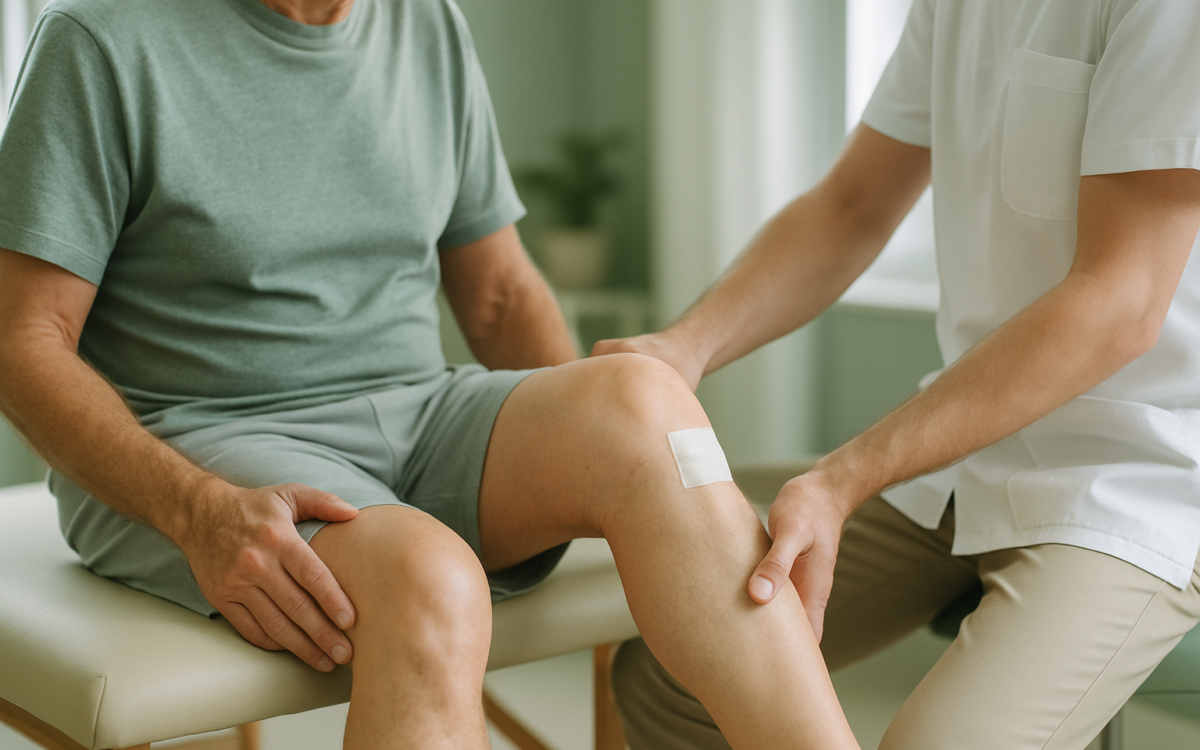
Undergoing knee replacement surgery is a significant step towards regaining mobility and reducing pain. However, the journey doesn’t end in the operating room. Rehabilitation is a crucial phase that helps patients recover strength and flexibility, getting them back to their daily activities. In this article, we’ll explore essential aspects of knee replacement rehab, including exercises, physical therapy, and tips for a smoother recovery process.
Understanding the Rehabilitation Process
Knee replacement rehab begins soon after your surgery and can last several months. This process focuses on helping you regain your range of motion, strength, and function. Typically, rehab can be divided into three main phases:
- Immediate Post-Op Phase: Begins on the day of surgery and lasts about one week. This phase involves managing pain, swelling, and beginning gentle movements.
- Main Rehabilitation Phase: Usually lasts from two weeks to three months. This is when physical therapy becomes more intense, focusing on specific exercises and activities.
- Long-Term Recovery Phase: Extends beyond three months and can last up to a year. Patients continue to improve strength and flexibility, often setting personal goals.
Setting Realistic Goals
Before engaging in rehabilitation, it’s important to set achievable goals. Discuss with your healthcare provider what you hope to accomplish after your surgery. Common goals might include:
- Regaining the ability to walk without assistance
- Performing daily activities without pain
- Returning to preferred sports or activities
Setting realistic and measurable goals can significantly enhance motivation and keep your focus on progress.
Physical Therapy: Your Best Friend
Working with a physical therapist is one of the most effective ways to navigate post-surgery recovery. A licensed physical therapist will create a personalized rehab plan tailored to your needs. Here’s what you can typically expect:
- Initial Assessment: Your therapist will assess your current strength, flexibility, and pain level.
- Exercise Program: A customized exercise program will be established, which may include:
- Range of motion exercises to regain flexibility
- Strengthening exercises for the muscles around your knee
- Balance and coordination training to help prevent falls
- Progress Monitoring: Regular check-ins will help adjust your program as you improve.
Physical therapy is a cornerstone of your recovery—don’t skip it! Following a structured exercise routine can help you achieve your rehabilitation goals in a timely manner.
Daily Exercises to Aid Recovery
In addition to physical therapy sessions, there are key exercises you can practice at home. Be sure to consult your healthcare provider before starting any exercise program. Here are some common exercises recommended during rehabilitation:
- Heel Slides: While lying on your back, slide your heel toward your buttocks and then back out. This helps regain knee movement.
- Quad Sets: Sit with your leg extended. Tighten the thigh muscle (quadriceps) and hold for a few seconds.
- Chair Stand: Practice standing up from a sitting position without using your arms. This builds strength.
As you progress, your therapist might introduce more challenging exercises to enhance your recovery. Always listen to your body and don’t push through pain.
Staying Motivated and Managing Expectations
Rehab can feel overwhelming at times, and patience is essential. Progress may not always be linear, and you might encounter setbacks. Here are some strategies to keep your spirits high during recovery:
- Keep a journal: Document your daily progress and set small weekly goals.
- Celebrate small victories: Each step toward recovery is an achievement.
- Communicate: Share your feelings and concerns with your therapist or support system.
Finally, if you are considering traveling for your knee surgery and rehab, options like international patient services can provide you with various choices tailored to your needs.
When to See a Doctor
Although some discomfort is expected post-surgery, certain symptoms warrant a call to your healthcare provider. Seek medical attention if you notice:
- Increased swelling or pain in your knee that doesn’t improve
- Redness or warmth around the incision site
- Fever over 101°F (38.3°C)
- Sudden shortness of breath or chest pain
Conclusion
Embarking on knee replacement rehab can be a journey filled with challenges and triumphs. With a well-structured plan, strong support, and a positive mindset, you can reclaim your mobility and enjoy life again. Remember to stay consistent with your exercises, communicate openly with your healthcare team, and above all, be kind to yourself during this process.
