
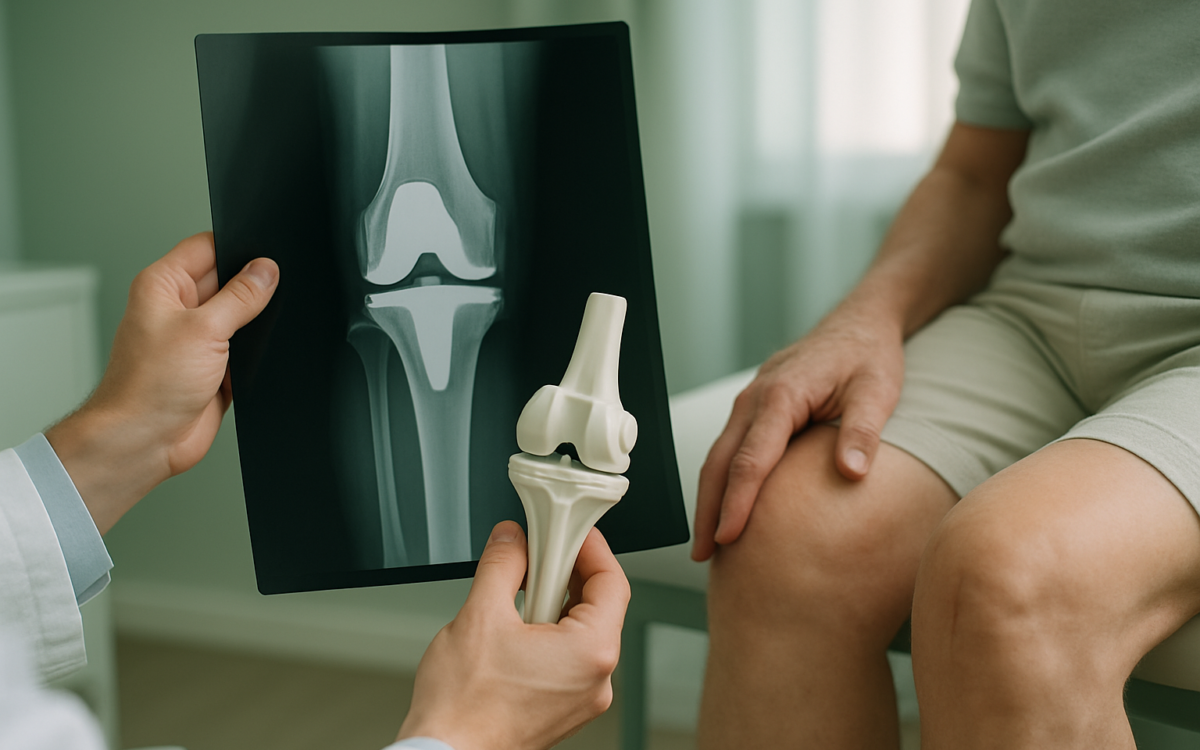
Knee pain can significantly impact your daily life, and when conservative treatments fail, knee replacement surgery may become necessary. This article will explore the process of knee replacement, illustrated with pictures that highlight important stages, helping you understand what to expect. From pre-operative preparations to post-operative recovery, these images will guide you through your journey towards better knee health.
What is Knee Replacement Surgery?
Knee replacement surgery involves removing damaged bone and cartilage from the knee joint and replacing it with new synthetic materials. This procedure can be performed on individuals suffering from arthritis, injury, or other degenerative conditions that impact the knee joint.
Understanding the Types of Knee Replacement
There are different types of knee replacement surgeries:
- Total Knee Replacement: Both sides of the knee joint are replaced. This is the most common type.
- Partial Knee Replacement: Only the damaged part of the knee is replaced. This can be a preferred option for patients with less severe damage.
- Complex or Revision Surgery: Used for patients who have had previous knee replacements that require correction or replacement due to wear or complications.
Pre-Operative Preparations: What to Expect
Before the surgery, you’ll meet with your orthopedic surgeon. You may have X-rays or MRIs taken to assess the knee’s condition. Patients are often advised to:
- Engage in pre-operative physical therapy to strengthen the muscles around the knee.
- Manage existing medical conditions, such as diabetes or heart issues.
- Discuss medication adjustments, particularly regarding blood thinners.
Pictures taken before surgery may include the surgical site and imaging scans that help the doctors plan the procedure.
During Surgery: The Procedure Step by Step
Knee replacement surgery typically lasts 1 to 2 hours. Patients are placed under anesthesia, and images from the operating room can showcase the precision involved. Here’s a brief overview of the surgical process:
- Incision: The surgeon makes an incision to access the knee joint.
- Removing Damaged Tissue: The damaged cartilage and bone are removed, which is often illustrated in surgical pictures.
- Insertion of the Implant: The prosthetic knee components are put in place, often shown in diagrams.
- Closing the Incision: The incision is closed, and a dressing is applied.
Recovery Process: Healing and Rehabilitation
Recovery from knee replacement surgery is a gradual process that usually includes pain management and physical therapy. Images from recovery can help visualize the following stages:
- Initial Recovery: Patients are typically encouraged to start moving soon after surgery, often with assistance.
- Physical Therapy: Engaging in rehab exercises to strengthen the knee and improve mobility is essential.
- Follow-up Appointments: Regular check-ups allow healthcare providers to monitor the healing process and make necessary adjustments to rehabilitation techniques.
Pictures from rehabilitation can highlight exercises aimed at improving flexibility, strength, and overall function.
Potential Risks and Complications
Like any major surgery, knee replacement carries risks. Surgical images often depict potential complications such as infection, blood clots, or implant issues. While these risks are relatively rare, being aware of them is crucial:
- Infection: This can occur at the surgical site.
- Blood Clots: Some patients may develop clots in their legs.
- Implant Failure: In some cases, the synthetic components may wear out or shift.
Being informed allows you to have informed discussions with your healthcare provider about the risks and benefits of your surgery.
When to See a Doctor
If you experience persistent or worsening knee pain, swelling, or difficulty in mobility, it may be time to consult a doctor. Other symptoms, such as fever, redness, or increased pain in your knee after surgery, should also prompt immediate medical advice.
Conclusion
Knee replacement surgery can significantly improve your quality of life if other treatments haven’t worked. Through visually guided insights, you can better understand the process and what to expect during your recovery. With proper management and care, many patients enjoy a return to their normal activities. Always consult your healthcare provider for personalized advice tailored to your health needs.
For more information, you can visit the Mayo Clinic or refer to the National Library of Medicine for insights into knee health.
