
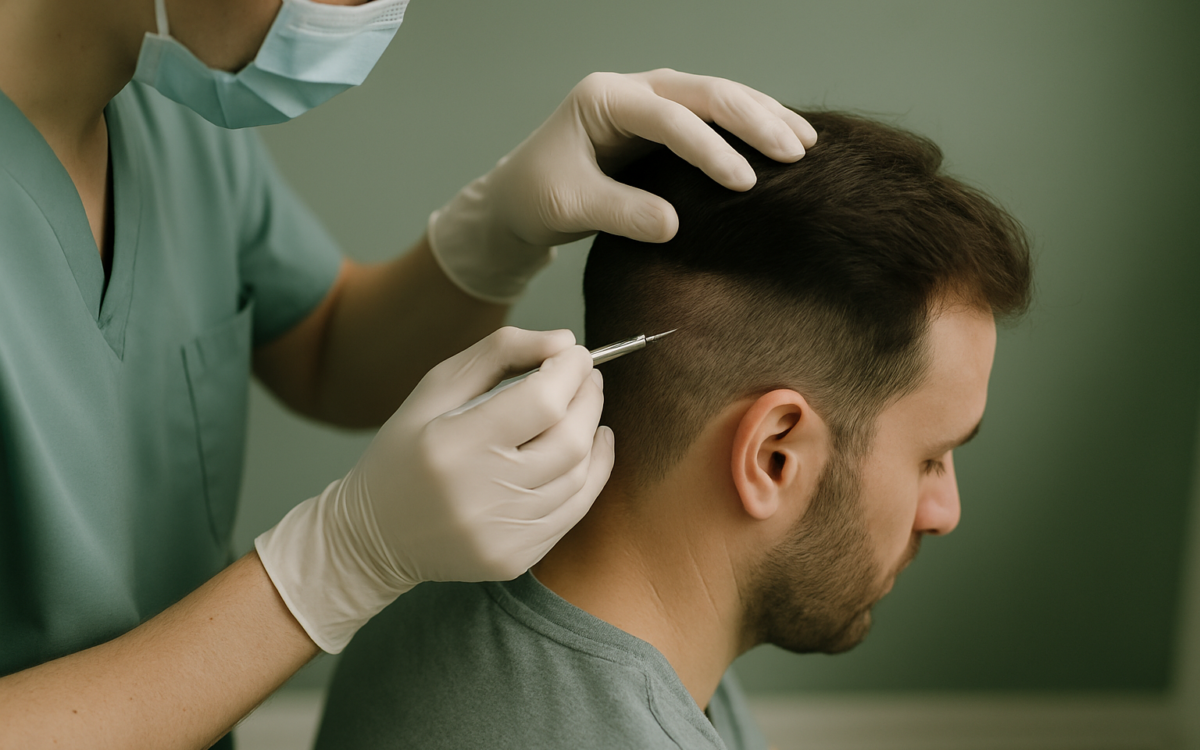
Hair loss can be a distressing experience for many people, regardless of age or gender. Fortunately, advancements in medical technology have led to effective treatments for those looking to restore their hair. One popular option is the Follicular Unit Extraction (FUE) hair transplant. In this article, we will explore the FUE hair transplant process, particular considerations in Chicago, and what you can expect during recovery.
What is FUE Hair Transplant?
Follicular Unit Extraction is a minimally invasive surgical procedure used to treat hair loss. Unlike the traditional strip method, which involves removing a strip of scalp from the back of the head, FUE involves extracting individual hair follicles directly from the scalp. This method minimizes scarring and allows for faster recovery.
Why Choose FUE?
FUE offers several advantages over traditional hair transplant techniques. Here are some of the key benefits:
- Less Scarring: Since the extraction method is performed on an individual follicle basis, patients typically experience less noticeable scarring compared to the strip method.
- Quick Recovery: Patients usually recover faster and can return to normal activities more quickly after an FUE procedure.
- Natural Appearance: The meticulous extraction and placement of hair follicles lead to a more natural hairline and overall appearance.
Choosing a Clinic in Chicago
When considering an FUE hair transplant, selecting the right clinic and surgeon is vital for a successful outcome. Chicago boasts a variety of hair restoration clinics, many of which feature experienced professionals who specialize in FUE techniques. Here are some tips for selecting a clinic:
- Research Credentials: Look for clinics with board-certified surgeons and excellent patient reviews.
- Consultation: Most clinics offer consultations, which provide an opportunity to discuss your hair loss, understand the procedure, and ask questions.
- Before-and-After Photos: Reviewing the clinic’s portfolio can give you realistic expectations of potential results.
What to Expect During the Procedure
During the FUE hair transplant, the surgeon will administer local anesthesia to ensure patient comfort. After this, a device is used to extract individual hair follicles from the donor area, usually at the back of the scalp. The surgeon will then prepare these follicles for placement in thinning or balding areas. The entire process can take several hours, depending on the number of grafts needed.
Post-Procedure Recovery
Recovery from an FUE hair transplant is generally straightforward. Patients may experience mild swelling or redness in the treated areas, but this usually subsides within a few days. Most individuals can return to work within a week, while it’s advisable to avoid strenuous activities for at least a couple of weeks following the procedure.
International Treatment Perspectives
For those considering treatment options abroad, the field of hair restoration has grown significantly internationally. Many patients are choosing to travel for procedures due to cost-effectiveness or accessibility to advanced techniques. Clinics such as Acibadem International are becoming popular destinations for quality hair restoration surgery.
Cost of FUE in Chicago
The cost of an FUE hair transplant can vary widely based on several factors, including the experience of the surgeon, the clinic’s location, and the number of grafts needed. On average, patients in Chicago can expect to pay between $4,000 to $15,000 for the procedure. It’s essential to have a clear understanding of costs and what they cover before committing to the surgery.
When to See a Doctor
If you are experiencing significant hair loss or are unsure about which treatment options are right for you, consulting with a dermatologist or a hair restoration specialist can provide valuable guidance. Additionally, if you experience any unusual symptoms post-surgery, such as excessive bleeding or infection signs, it is crucial to seek medical attention promptly.
Conclusion
FUE hair transplants offer a promising option for individuals looking to combat hair loss. By understanding what the procedure entails and exploring clinics in Chicago, you can make informed decisions about restoring your hair. Remember to consult with healthcare professionals for personalized advice tailored to your specific needs.
