
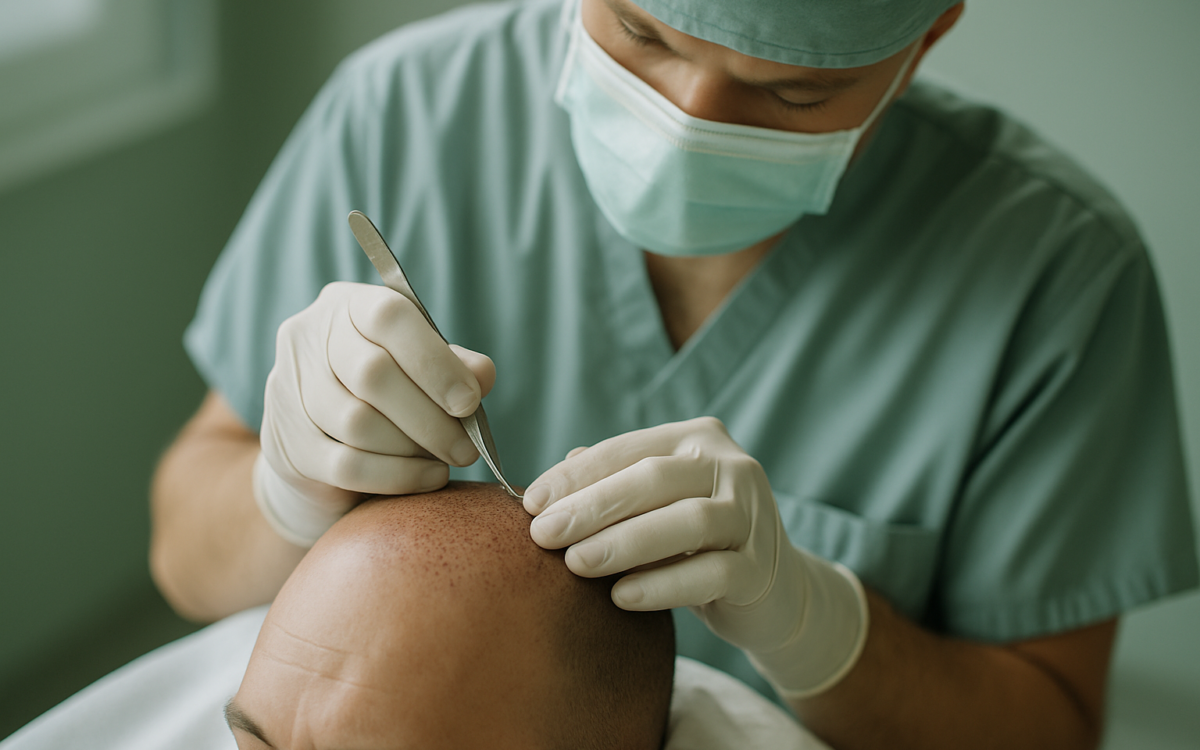
Hair loss can be a distressing experience for many people, impacting self-esteem and confidence. Whether due to genetics, stress, or other factors, it’s a common concern. Fortunately, advancements in medicine have led to effective solutions, including procedures performed by hair surgeons. This article explores who these specialists are, the techniques they use, and what you should consider before undergoing treatment.
What is a hair surgeon?
A hair surgeon is a medical professional specializing in the restoration of hair through various techniques. They often have training in dermatology or plastic surgery and are equipped to address different forms of hair loss. Their expertise not only involves the surgical procedures but also the diagnosis of hair loss conditions and guidance on the best treatment options available.
Common reasons to consult a hair surgeon
People seek the help of hair surgeons for various reasons, including:
- Genetic Hair Loss: This is the most common reason, often referred to as androgenetic alopecia, manifested as thinning hair or balding in both men and women.
- Medical Conditions: Certain conditions such as alopecia areata or scarring conditions can lead to sudden or patchy hair loss.
- Trauma or Injury: Accidents or surgical scars can also affect the hair follicles, prompting individuals to seek surgical repair.
- Cosmetic Choices: Some individuals desire a fuller hairline or to enhance their appearance through hair restoration.
Types of hair restoration procedures
Hair surgeons use various techniques to restore hair. The choice of procedure often depends on the type of hair loss, donor hair availability, and patient preferences. Here are the most common methods:
Follicular Unit Transplantation (FUT)
FUT is a traditional hair transplant technique that involves removing a strip of scalp from the back of the head, where hair is denser. This strip is then divided into individual follicular units and implanted into the balding areas of the scalp. This method can yield a large number of grafts in one session, making it effective for significant hair loss.
Follicular Unit Extraction (FUE)
FUE is a less invasive procedure where individual hair follicles are harvested directly from the donor area and transplanted to the thinning areas. This method usually requires no stitches and results in minimal scarring, making it preferable for many patients who desire a quicker recovery.
Non-surgical Options
Not all individuals may be candidates for surgery. Hair surgeons can also recommend non-surgical treatments such as:
- Platelet-Rich Plasma (PRP) Therapy: This involves drawing a small amount of blood, processing it to concentrate the platelets, and injecting it into the scalp to promote hair growth.
- Medications: FDA-approved treatments like Minoxidil and Finasteride can help slow hair loss and may promote regrowth.
What to expect during and after the procedure
Your experience with a hair surgeon will vary depending on the procedure chosen. Generally, here’s what patients can expect:
Consultation
The first step is a consultation where the surgeon evaluates your hair loss, discusses your medical history, and explains the treatment options. They will also outline the risks and benefits associated with each method.
The Procedure
Both FUT and FUE typically take several hours. Local anesthesia is used to minimize discomfort. Patients might also receive sedatives to ease anxiety. After the procedure, you can expect some swelling and mild discomfort.
Recovery
Recovery times can vary:
- With FUT, patients may experience a longer recovery due to the linear incision. Stitches will need to be removed after about 10 days.
- FUE usually leads to quicker recovery with less visible scarring.
Most patients can return to work within a few days but should avoid strenuous activity for a couple of weeks.
Potential Risks and Considerations
As with any surgical procedure, there are risks involved. Common side effects include:
- Infection: Though rare, infections can occur.
- Scarring: Depending on the method, some degree of scarring may arise.
- Unnatural-looking Results: Skilled surgeons strive for natural results, but poor technique can lead to patchy hair growth.
Understanding these risks and discussing them with your surgeon can help set realistic expectations about the outcomes.
When to see a doctor
If you’re experiencing significant hair loss or changes in your hair that concern you, it may be time to consult a specialist. Early evaluation by a hair surgeon can help identify underlying causes and appropriate treatments. Consider seeing a doctor if:
- Your hair loss is sudden or patchy.
- You notice significant thinning in a short time.
- You have a family history of baldness or other hair loss conditions.
Conclusion
Hair surgeons play a vital role in helping individuals regain their confidence through various hair restoration techniques. Whether opting for surgical or non-surgical methods, understanding the options and engaging with a qualified hair surgeon can lead to satisfying results. If you’re contemplating treatment, take the time to research, ask questions, and ensure you are well-informed before proceeding.
For further information on hair loss and treatments, you can refer to resources from the National Institutes of Health or Mayo Clinic.
