
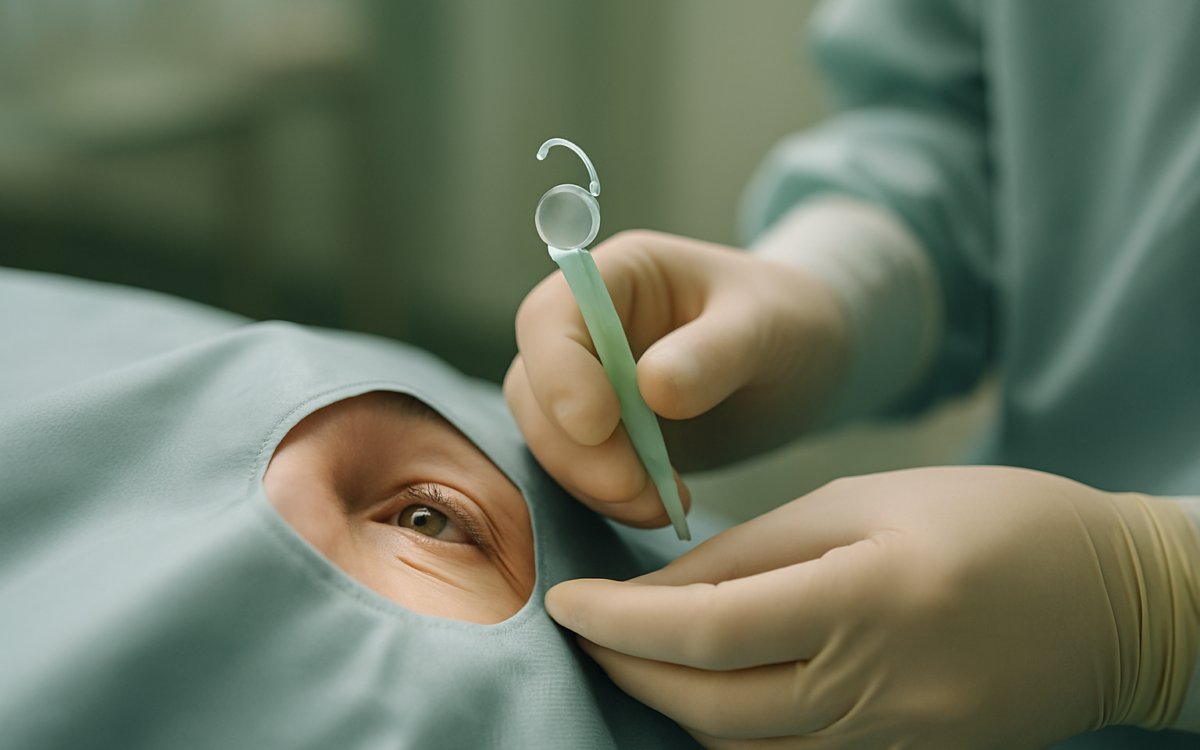
Cataract surgery is one of the most commonly performed procedures worldwide, often resulting in improved vision for millions of people. A key part of this surgery is the implantation of intraocular lenses (IOLs), which replace the cloudy natural lens of the eye. Understanding IOL lenses can help patients make informed decisions about their cataract treatment and what to expect after surgery.
What Are Intraocular Lenses (IOLs)?
Intraocular lenses (IOLs) are artificial lenses implanted in the eye during cataract surgery. They are designed to restore clear vision, which becomes impaired when the natural lens of the eye clouds due to cataracts. The development of IOL technology has greatly enhanced the success of cataract surgery and allowed for more precise vision correction.
Types of IOL Lenses
There are several types of IOLs available, each designed to meet different needs and preferences:
- Monofocal IOLs: These are the most common type of IOL. They provide clear vision at one specific distance, typically either near or far. Patients will likely need glasses for near or distant vision post-surgery.
- Multifocal IOLs: These lenses provide multiple focal points, allowing for clear vision at various distances. They are designed to reduce the need for glasses for both near and far vision.
- Toric IOLs: For patients with astigmatism, toric IOLs can correct the uneven curvature of the cornea while also addressing the cataract.
- Accommodating IOLs: These lenses can shift their position in the eye, allowing for natural focusing at different distances, much like a young, healthy eye.
Benefits of IOLs in Cataract Surgery
The use of IOLs in cataract surgery comes with numerous advantages:
- Improved Vision: IOLs aim to restore vision to as close to normal as possible, which can significantly enhance the quality of life.
- Reduced Dependency on Glasses: With specific types of IOLs, many patients find they need reading glasses or distance glasses much less frequently.
- Durability: Most IOLs are made from materials that are designed to last a lifetime, reducing the need for further interventions.
What to Expect During the Procedure
Cataract surgery is typically an outpatient procedure that can be completed in under an hour. Here’s a brief overview of what happens:
- Preparation: You may receive medication to help you relax. The area around your eye will be cleaned, and numbing drops will be applied.
- Removal of the Cataract: The surgeon will make a small incision in your eye and use ultrasound technology to break up the cloudy lens, which is then removed.
- Placement of the IOL: Once the cataract is removed, the IOL will be inserted into the same location the natural lens occupied.
- Closure: The incision is typically self-sealing, meaning no stitches are required, and a protective shield may be placed over your eye.
Potential Risks and Considerations
While cataract surgery is generally safe, like all surgeries, it does carry some risks. Potential complications include:
- Infection: Though rare, infections can occur post-surgery.
- Intraocular Pressure Issues: Some patients may experience elevated pressure in the eye.
- Visual Disturbances: Patients might notice glare, halos, or shadows in their vision after receiving certain types of IOLs.
It’s crucial to discuss any concerns with your eye surgeon and understand the specific risks associated with the type of IOL chosen.
Aftercare and Recovery
Following cataract surgery, recovery generally involves:
- Rest: It is essential to rest and avoid strenuous activities or rubbing your eyes.
- Follow-up Appointments: Regular follow-ups with your eye doctor will help monitor your healing and vision improvements.
- Medications: You may be prescribed eye drops to prevent infection and inflammation.
Most patients see significant vision improvement within a few days, although complete healing can take several weeks. Patience during the recovery process is vital.
When to See a Doctor
If you experience symptoms such as increased redness, pain, vision changes, or discharge from your eye during recovery, contact your doctor immediately. Monitoring for any signs of complications is crucial to ensure a smooth recovery.
Cataract surgery with IOL implantation can be a life-changing procedure, restoring vision significantly and often giving patients a newfound freedom from glasses. Explore your options, discuss your needs with your eye care professional, and take the steps necessary for clearer vision.
For further information on eye health and surgery, you can visit reputable sources like the Mayo Clinic or the National Institutes of Health.
