
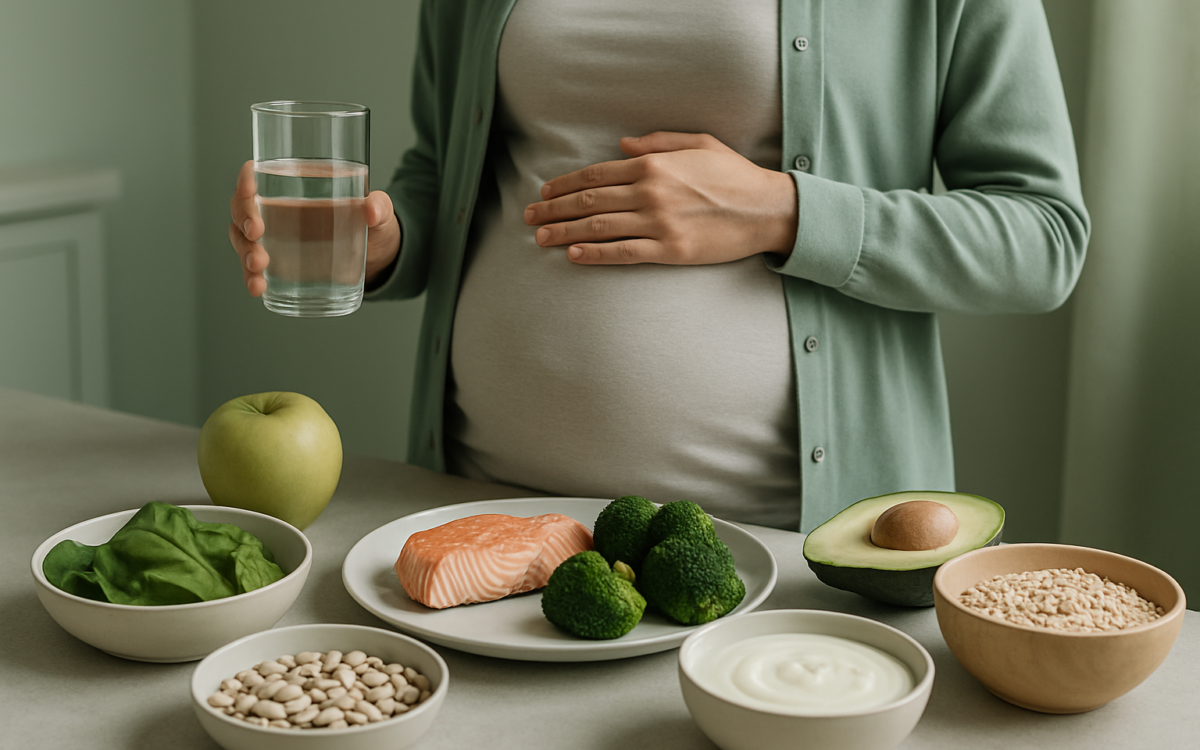
Pregnancy is a wonderful journey filled with excitement and anticipation. However, it can also bring challenges, especially when it comes to nutrition. Choosing the right foods is essential for both the mother’s health and the baby’s development. A well-balanced diet can help ensure a healthy pregnancy and can lead to better outcomes for both mother and child.
The Importance of a Balanced Diet
During pregnancy, a woman’s body undergoes numerous changes that require additional nutrients to support the growing fetus. The right balance of carbohydrates, proteins, fats, vitamins, and minerals is crucial for both the mother’s wellbeing and the child’s development.
According to the Centers for Disease Control and Prevention (CDC), a balanced diet includes a variety of foods that provide the necessary nutrients. This variety ensures that the mother is not only nourished but can also provide the ideal environment for her baby.
Leafy Greens: Nature’s Superfoods
Leafy greens such as spinach, kale, and Swiss chard are incredibly nutrient-dense. They are rich in folate, a vital B-vitamin that helps prevent neural tube defects in the developing baby. Folate is crucial in the early stages of pregnancy when the baby’s neural tube is forming.
In addition to folate, leafy greens provide iron, calcium, and various vitamins that support the mother’s energy levels and overall health. Including spinach or kale in smoothies, salads, or cooked dishes can significantly benefit pregnant women.
Whole Grains for Sustained Energy
Whole grains are another essential component of a pregnancy diet. Foods like brown rice, quinoa, and oats are excellent sources of complex carbohydrates, fiber, and vital nutrients such as B vitamins and iron.
Fiber helps promote healthy digestion, which can be a concern during pregnancy. The National Institutes of Health (NIH) highlights that adequate fiber intake can help prevent constipation, a common issue for expectant mothers.
Lean Proteins for Growth
Proteins are the building blocks of life, and they play a crucial role during pregnancy. Lean proteins from sources like chicken, turkey, fish, beans, and legumes are essential for the baby’s growth and development.
Fish, especially those low in mercury like salmon, provides essential omega-3 fatty acids. These fatty acids are vital for the development of the baby’s brain and eyes. A balanced intake of protein and good fats helps ensure a healthy pregnancy.
Dairy and Alternatives for Calcium
Calcium is essential during pregnancy, as it helps in building the baby’s bones and teeth. Dairy products such as yogurt, cheese, and milk are excellent sources of calcium, along with vitamin D, which enhances calcium absorption.
For those who are lactose intolerant or prefer non-dairy options, fortified plant-based milk, tofu, almonds, and leafy greens can also provide adequate calcium. The World Health Organization (WHO) recommends maintaining sufficient calcium levels throughout pregnancy to ensure optimal health for both mother and child.
Fruits: Nature’s Candy
Fruits are packed with vitamins, minerals, and antioxidants. Eating a variety of fruits can provide the body with necessary vitamins like vitamin C and potassium while also aiding digestion due to their fiber content.
Some excellent choices include berries, bananas, oranges, and avocados. Berries are rich in antioxidants, while bananas can help combat nausea, a common symptom in early pregnancy. Avocados, high in monounsaturated fats, are beneficial for fetal brain development.
When to See a Doctor
If you have questions about your diet or nutritional needs during pregnancy, it is essential to consult a healthcare provider. Regular check-ups and discussions with your doctor can help ensure that you are on the right track and make necessary adjustments based on your health and lifestyle.
Conclusion
Maintaining a healthy diet during pregnancy is vital for both mother and baby. Incorporating a variety of nutrient-rich foods, such as leafy greens, whole grains, lean proteins, dairy, and plenty of fruits, can significantly impact health outcomes. Always remember to consult your doctor to tailor your dietary choices to your specific needs. Your health, and your baby’s health, depend on it!
