
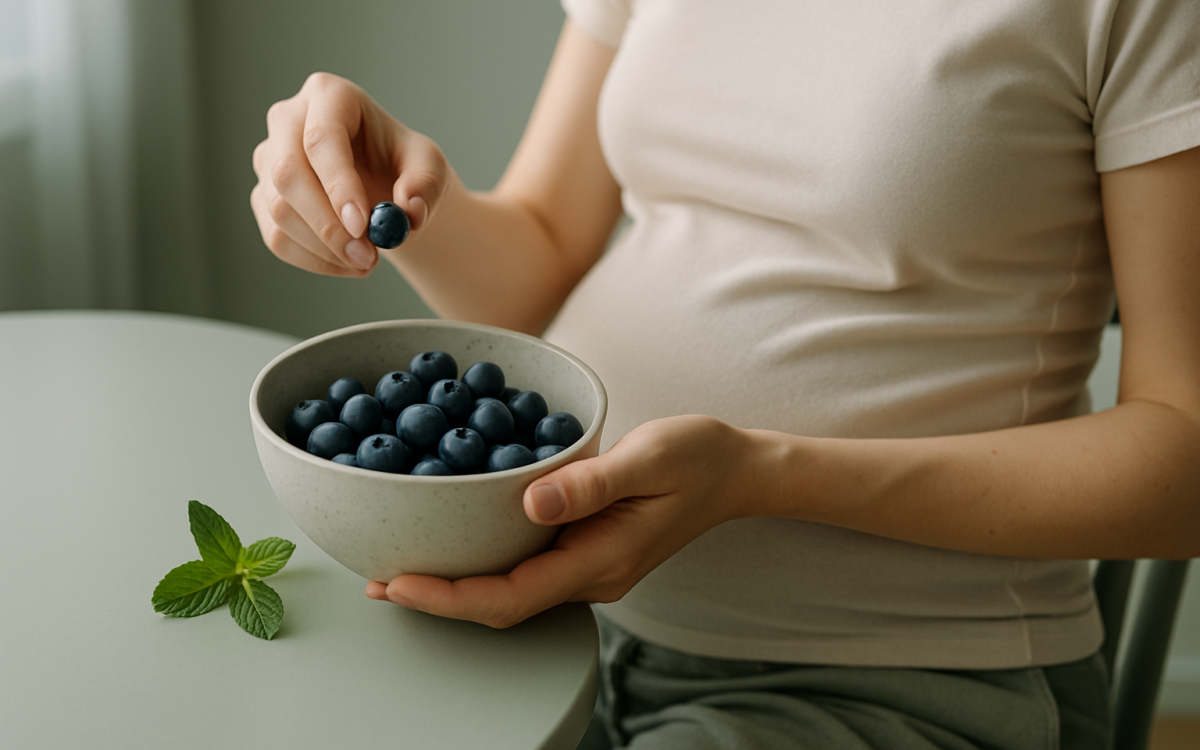
During pregnancy, the journey to becoming a mom is filled with excitement, anticipation, and sometimes, a bit of confusion about what to eat. One food group that often stands out for its health benefits is berries. Packed with essential nutrients, berries can not only satisfy your sweet tooth but also promote a healthier pregnancy. In this article, we will explore the many reasons why incorporating berries into your diet can be beneficial for both you and your baby.
Why Choose Berries?
Berries—including strawberries, blueberries, raspberries, and blackberries—are nutrient-dense foods. What does that mean? Simply put, they are low in calories yet high in vitamins, minerals, and antioxidants. These compounds play a crucial role in supporting health during pregnancy.
Research shows that consuming a diet rich in fruits and vegetables can help reduce the risk of pregnancy complications and promote overall well-being. Berries are especially good for pregnant women because they are rich in:
- Vitamin C: Important for the development of your baby’s teeth and bones, Vitamin C also supports the immune system.
- Folate: Essential for preventing neural tube defects, folate is a B-vitamin crucial during early pregnancy.
- Fiber: Aids in digestion and can help prevent constipation, a common issue during pregnancy.
- Antioxidants: Compounds that can reduce inflammation and help protect both you and your baby from various health conditions.
Different Types of Berries and Their Benefits
Each type of berry comes with its own set of health benefits:
Strawberries
Strawberries are an excellent source of Vitamin C and folate, making them an ideal choice for pregnant women. A single cup can provide more than 100% of your daily Vitamin C needs.
Blueberries
Blueberries are renowned for their high antioxidant content, especially anthocyanins, which are believed to have anti-inflammatory properties. They may also help improve heart and brain health.
Raspberries
Raspberries are packed with fiber, which can aid digestion and regulate blood sugar levels. Plus, they provide Vitamin C and other essential minerals.
Blackberries
These berries are also rich in Vitamin K, which plays a role in blood clotting and maintaining bone health.
Incorporating Berries into Your Diet
Including berries in your pregnancy diet is easy and delicious! Here are some simple ways to enjoy them:
- Add berries to your morning oatmeal or yogurt.
- Mix them into smoothies for a refreshing drink.
- Use berries as a topping for salads or desserts.
- Freeze them for later use in smoothies or as healthy snacks.
Berries can also be a part of various international cuisines, enriching your diet with diverse flavors. If you are considering exploring health treatments abroad, facilities like Acibadem International provide comprehensive care that incorporates nutritional advice and dietary support tailored for pregnant women.
Safety Precautions While Eating Berries
While berries are generally safe to eat during pregnancy, it is essential to keep a few safety precautions in mind:
- Wash Thoroughly: Always wash berries under cold water to remove dirt and pesticide residues.
- Stick to Fresh Products: Opt for fresh or frozen berries instead of those that are processed with added sugars.
- Watch for Allergies: If you have a history of food allergies, introduce berries cautiously to see how your body reacts.
Conclusion
Berries are a fantastic addition to a healthy pregnancy diet, offering numerous benefits for both mothers and babies. Their appealing taste and versatile nature make it easy to include them in your meals and snacks. Remember to consult your healthcare provider for personalized dietary advice tailored to your pregnancy journey.
When to See a Doctor
If you experience unusual symptoms after consuming berries, such as severe allergic reactions, digestive issues, or any other concerns, consult your doctor immediately. They can provide guidance tailored to your health needs.
