
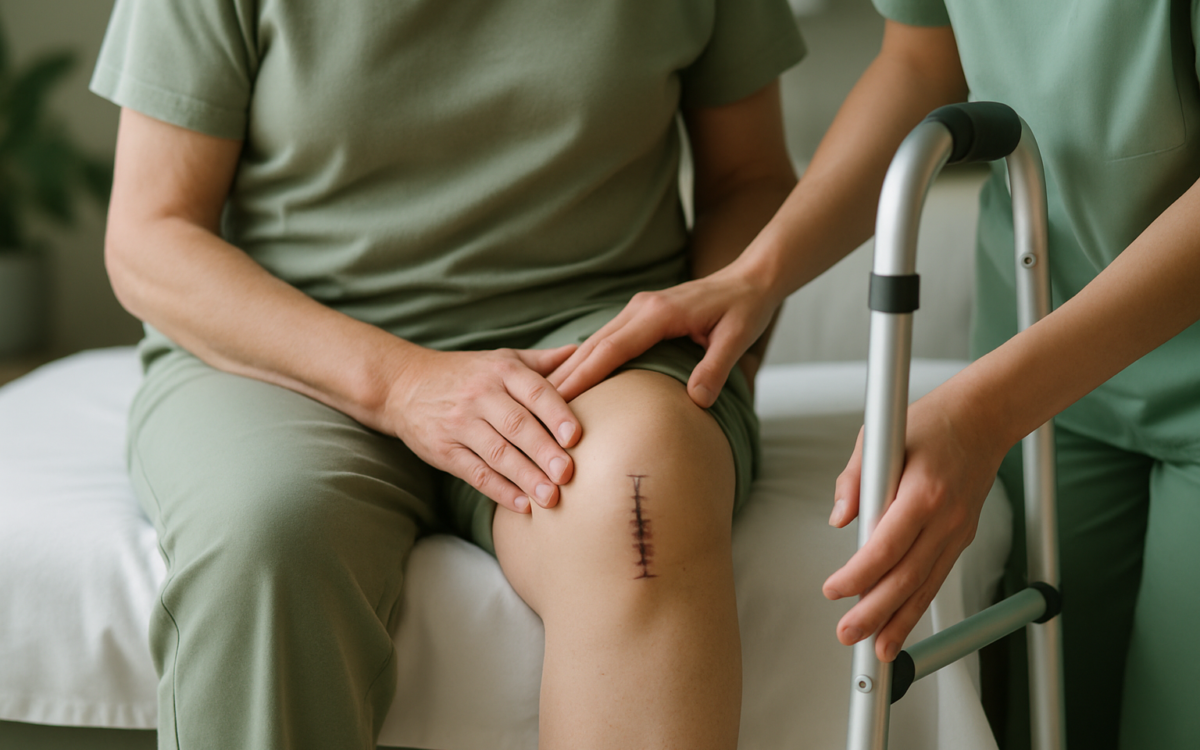
Knee replacement surgery, also known as knee arthroplasty, is a common procedure aimed at relieving pain and restoring function in a damaged knee joint. Whether your knee issues stem from arthritis, injury, or other conditions, surgery can be a transformative step towards a more active lifestyle. However, the road to recovery can be challenging and may take time. Understanding the recovery process can help you navigate this important phase of your healing journey.
What to expect in the immediate aftermath
After knee replacement surgery, your body will need time to heal. The first few days post-surgery are critical as you begin your recovery journey. Here’s what you can expect:
- Pain and swelling: It’s normal to experience some pain and swelling around your knee. Doctors often prescribe pain medication to help manage discomfort.
- Mobility: You’ll likely start with assistance from a walker or crutches. Gradually, you will be encouraged to put weight on your knee as tolerated.
- Physical therapy: Engaging with a physical therapist early on can significantly aid your recovery. They will provide exercises designed to improve your range of motion and strength.
Staying mindful of your body and progressing at a manageable pace is key during these early days. The National Heart, Lung, and Blood Institute emphasizes the importance of listening to your body and adhering to your doctor’s advice.
Physical therapy: a crucial component of recovery
Physical therapy is a cornerstone of recovery after knee replacement surgery. Your physical therapist will help you regain strength and mobility through a structured program of exercises. Here’s how physical therapy benefits you:
- Strengthening muscles: Specific exercises can strengthen the muscles surrounding your knee, improving stability and functionality.
- Restoring range of motion: Gentle stretching and movement exercises can help restore your knee’s range of motion, making everyday activities easier.
- Boosting confidence: As you progress through your therapy, you’ll likely gain confidence in your knee’s capabilities, encouraging you to return to your normal activities.
Many patients begin physical therapy soon after surgery, often within the first week. The Mayo Clinic recommends maintaining a consistent physical therapy schedule to achieve the best outcomes.
Pain management strategies
Managing pain effectively is paramount in the recovery process. Here are several strategies that may help:
- Medications: Your healthcare provider will likely prescribe pain relievers to help manage discomfort. It’s essential to take medications as directed.
- Icing: Applying ice to your knee can reduce swelling and numb the area, providing temporary relief from pain. Be sure to follow recommended guidelines for icing.
- Elevation: Keeping your leg elevated can help minimize swelling and improve blood flow to the area.
- Breathing techniques: Deep breathing exercises can help you relax, making it easier to manage pain. Consider incorporating these techniques as part of your daily routine.
Every individual has different pain levels and responses; what works best for you may require some experimentation. Speak to your doctor about any pain concerns or unmanageable discomfort.
Returning to daily activities
Your goal during recovery should involve gradually returning to your daily activities. Here’s a timeline of what to expect as you recover:
- Weeks 1-4: Focus on regaining your mobility and pain management. Engage in physical therapy, and try to perform basic tasks like walking and climbing stairs.
- Weeks 4-8: Begin to increase physical activity intensity according to your therapist’s recommendations. Many patients start transitioning from assistive devices to walking unassisted.
- Months 2-6: Depending on your progress, you may be able to return to low-impact activities, like swimming or biking. Continue strengthening exercises and discuss any new activities with your therapist.
Keeping a positive mindset can significantly affect your outlook and motivation during the recovery process. Remember, patience is essential as healing takes time.
Long-term care and lifestyle changes
Once you reach the later stages of recovery, focusing on long-term care is crucial for maintaining knee health. Consider these lifestyle changes:
- Weight management: Maintaining a healthy weight can lessen stress on your knee joints, promoting longevity and functionality.
- Regular exercise: Incorporate a routine that includes flexibility, strength, and low-impact exercises to maintain your knee’s health and improve overall physical conditioning.
- Health screenings: Regular check-ups can help monitor your knee’s progress and identify any issues early.
- Diet: A balanced diet rich in nutrients can support bone density and overall joint health. Foods rich in omega-3 fatty acids, calcium, and vitamin D are beneficial.
Consult with your healthcare provider or a nutritionist for personalized recommendations. The Centers for Disease Control and Prevention emphasizes that maintaining a healthy lifestyle can significantly impact your recovery experience.
When to see a doctor
While recovery can take time, it’s important to know when to seek additional medical advice. Reach out to your healthcare provider if you experience:
- Sudden or severe pain that is unmanageable despite medication.
- Signs of infection, such as increased redness, warmth, or discharge from the incision site.
- Persistently swollen or stiff knee that does not improve over time.
- Fever higher than 100.4°F (38°C).
Taking proactive steps towards your recovery can lead to a more successful outcome. Always reach out to your healthcare team with any concerns about your rehabilitation process.
Your recovery journey after knee replacement surgery is unique. By staying informed, actively participating in your rehabilitation, and embracing positive lifestyle changes, you can regain mobility and enjoy a fulfilling life.
