
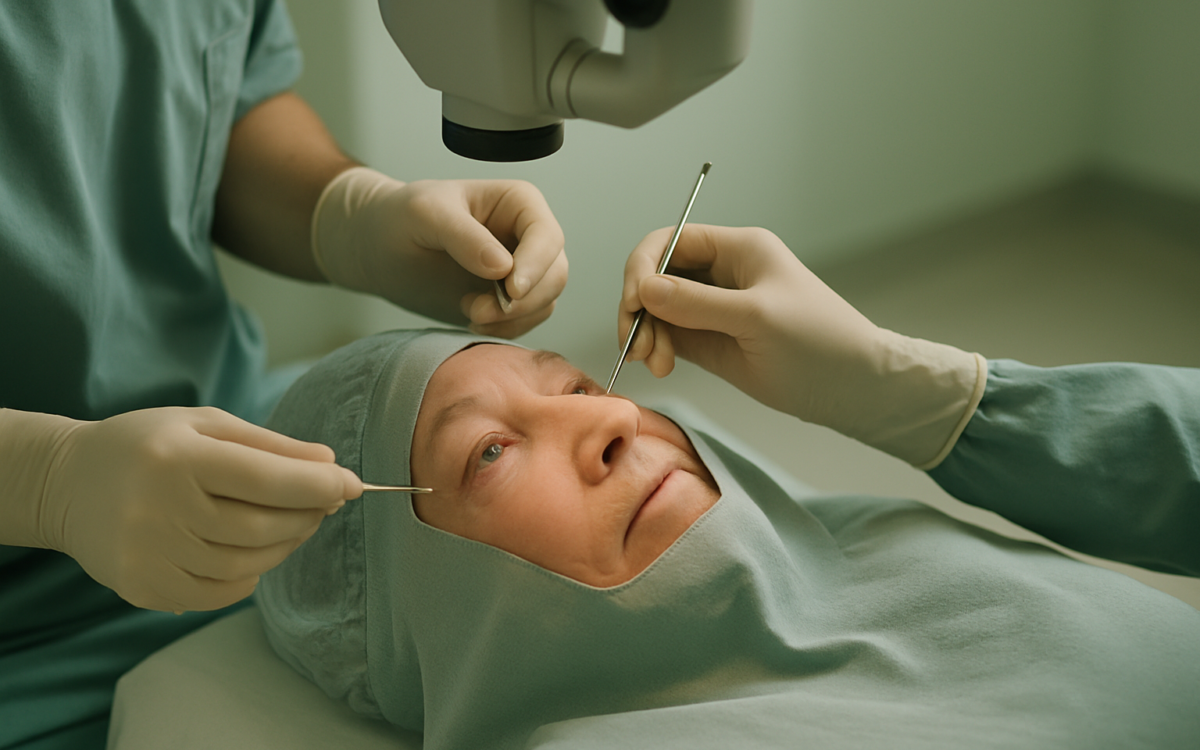
Cataract surgery is one of the most common medical procedures performed today. If you or a loved one is preparing for this surgery, you may wonder if you will be awake during the procedure. Many patients are surprised to learn that most cataract surgeries are done with patients wide awake. In this article, we will explore what this means, the types of anesthesia used, and what you can expect during and after the surgery.
Why Is Cataract Surgery Needed?
Cataracts occur when the natural lens of the eye becomes cloudy, leading to blurred vision and difficulties with daily tasks. It is a condition that typically develops as people age, though it can also result from injury, certain medications, or diseases like diabetes. According to the National Eye Institute, cataracts affect more than 24 million Americans over the age of 40. When cataracts progress and affect your quality of life, surgery becomes necessary to restore clear vision.
Will You Be Awake During Cataract Surgery?
Yes, most patients are awake during cataract surgery. This outpatient procedure typically involves local anesthesia to numb the eye while the patient remains conscious. Why do most patients stay awake?
- Minimal Discomfort: The use of local anesthetic numbs the eye, drastically reducing any discomfort without the potential risks associated with general anesthesia.
- Your Awareness is Beneficial: Being awake allows patients to follow the surgeon’s instructions, like looking in certain directions during the operation to ensure accurate placement of the new lens.
- Quick Recovery: Awake procedures often lead to faster recoveries. Most patients leave the surgical center shortly after their surgery and can resume everyday activities more quickly.
Types of Anesthesia Used
During cataract surgery, your surgeon may use one of two primary types of anesthesia:
1. Local Anesthesia
Local anesthesia is the most common form used in cataract surgery. It involves numbing the eye area with an anesthetic eye drop. This method allows you to remain awake, alert, and comfortable while the procedure is performed.
2. Sedation
Some patients may benefit from light sedation in addition to local anesthesia. Sedation helps reduce anxiety and make the experience more relaxed, but you will still be awake during the procedure. Discuss your comfort levels with your surgeon to determine the best approach for you.
What to Expect During the Procedure
The cataract surgery process is generally straightforward.
- Preparation: After arriving at the surgical center, you will be taken to a room where you may change into a gown. Your eye will be prepped with drops.
- Anesthesia: The surgeon will apply the local anesthetic drops and may give you a sedative if agreed upon.
- Surgery: The procedure usually lasts about 15-30 minutes. You may feel some pressure but should not feel pain. The surgeon will remove the cloudy lens and replace it with an artificial lens.
- Post-Op Care: After surgery, you will spend a short time in a recovery area for monitoring before going home.
Recovery and Aftercare
Recovery from cataract surgery is typically quick, but it’s essential to follow your doctor’s instructions for optimal healing. Expect the following:
- Vision Improvement: Many patients notice an improvement in their vision shortly after the procedure, although full recovery can take a few weeks.
- Avoiding Strain: You should avoid strenuous activities and heavy lifting for at least a week after surgery.
- Follow-Up Appointments: Regular follow-up visits will be necessary to monitor your healing process.
International Perspective on Cataract Treatments
Cataract surgery techniques may vary around the world, and some patients are seeking treatment abroad for various reasons, including cost and advanced procedures. Facilities like Acibadem International offer modern equipment and skilled ophthalmologists who specialize in cataract surgery. If you consider treatment overseas, research well, and consult with your local healthcare provider to ensure you make an informed decision.
When to See a Doctor
If you experience significant changes in your vision or if cataract symptoms worsen, it’s essential to consult an eye doctor. Symptoms may include:
- Increased blurriness
- Difficulty seeing at night
- Seeing halos around lights
- Frequent prescription changes in glasses or contact lenses
A timely evaluation can help determine the best course of action, including the decision to proceed with cataract surgery.
Conclusion
Being awake during cataract surgery might initially seem intimidating, but understanding the process can alleviate any concerns. With advances in techniques and anesthesia, most people find the experience comfortable and straightforward. If you are considering cataract surgery, consult your optometrist or ophthalmologist to discuss your options and what to expect during this life-changing procedure.
