
When your vision becomes blurred and clouded due to cataracts, you might consider cataract surgery. This common procedure can make a significant difference in not only your eyesight but also your quality of life. Understanding how cataract surgery is performed and what to expect can help ease any anxiety you may have about the procedure.
What Are Cataracts?
Cataracts occur when the natural lens of your eye becomes cloudy, leading to blurry vision, difficulty seeing at night, and other visual disturbances. They typically develop slowly and are commonly associated with aging. Other factors, such as genetics, certain medications, and environmental influences like UV exposure, can also contribute to their development. According to the Mayo Clinic, cataracts are very common, especially among older adults.
Preparing for Cataract Surgery
Before undergoing surgery, your eye doctor will conduct a thorough examination to assess the condition of your eyes and determine the best course of action. This often includes:
- Vision Tests: Various assessments, including measuring visual acuity and checking for other eye conditions.
- Eye Measurements: Determining the size and shape of your eye to select the correct intraocular lens (IOL).
- Discussion of Options: Your doctor will go over different types of IOLs available, which may include standard, multifocal, or accommodating lenses.
Your doctor will also discuss medications you should avoid before surgery and provide guidelines on eating or drinking beforehand.
How Is Cataract Surgery Performed?
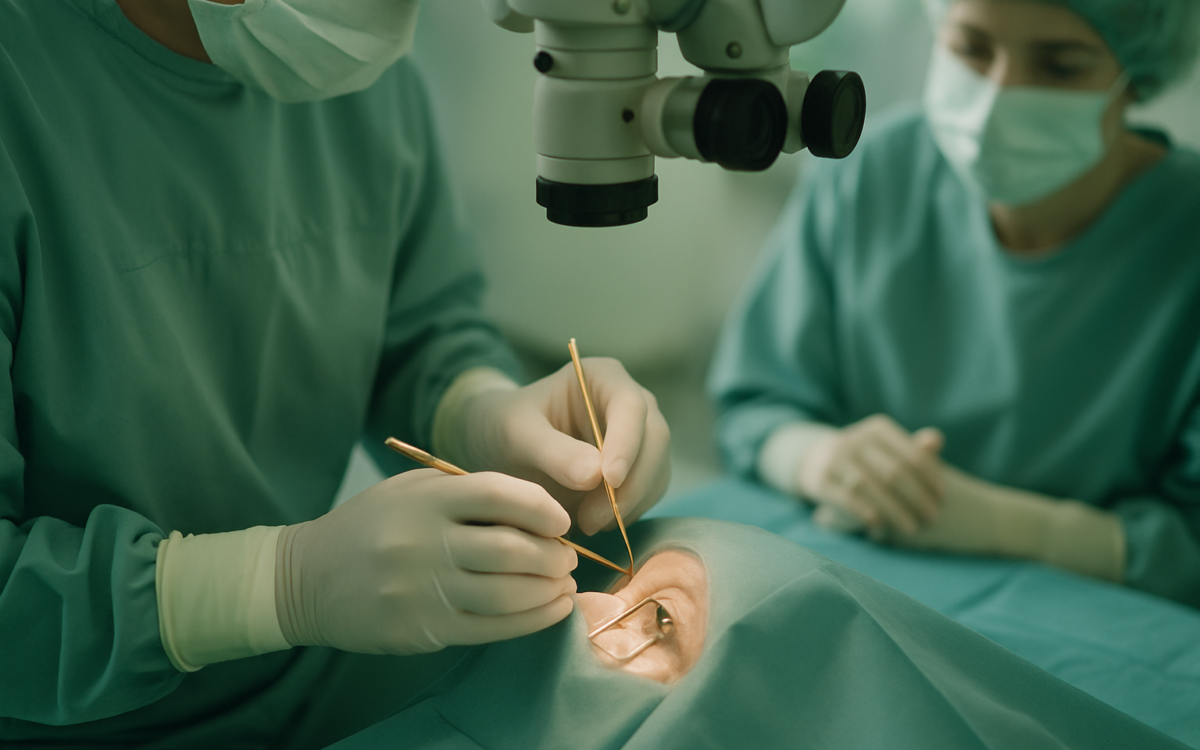
Cataract surgery is generally a quick, outpatient procedure that lasts about 15 to 30 minutes. Here’s a step-by-step breakdown of the typical process:
Anesthesia
The first step in the surgery is the administration of anesthesia. Most commonly, local anesthesia is used to numb the eye. You may also receive sedatives to help you relax during the procedure.
Making the Incision
Once you are numb and comfortable, your surgeon will make a small incision in the eye. This is usually about 2.2 to 2.8 mm and can be done using a blade or a laser.
Removing the Cloudy Lens
After the incision is made, the surgeon will use a technique called phacoemulsification. This involves using ultrasound waves to break up the cloudy lens into smaller pieces. These pieces are then gently suctioned out of the eye.
Inserting the Intraocular Lens (IOL)
Once the cloudy lens has been removed, the surgeon will insert a clear artificial lens known as an intraocular lens (IOL). This lens is folded up for insertion and will unfold once it is properly positioned in the eye. Your surgeon will ensure that the lens is centered correctly.
Closing the Incision
In many cases, the incision is self-sealing, meaning no stitches are needed. Your surgeon may apply a protective shield over your eye.
Recovery After Cataract Surgery
Recovery from cataract surgery usually progresses quickly. Most patients notice an improvement in their vision within a few days. However, complete healing may take a bit longer, and it is essential to follow your doctor’s instructions.
- Post-Surgery Instructions: You will receive guidelines on how to care for your eye in the days following the surgery.
- Follow-Up Visits: These are crucial to monitor your healing process and check your vision.
- Activities to Avoid: Activities such as heavy lifting, swimming, or rubbing your eyes should be limited for a few weeks.
Many people are surprised by the improvement in their vision shortly after surgery, as well as the natural colors and contrasts that were previously muted due to their cataracts.
Exploring Options for Cataract Surgery Abroad
For those considering cataract surgery, exploring options beyond the local healthcare system can be a viable choice. Some patients find advantages in seeking treatment in Turkey, where modern facilities and competitive pricing can provide alternative solutions for eye care. It’s essential to thoroughly research and consult with doctors who specialize in this area and ensure that they meet international health standards.
When to See a Doctor
If you notice changes in your vision, such as increased blurriness, difficulty seeing at night, or colors looking faded, it’s essential to consult your doctor promptly. Early intervention may help determine if cataracts are the cause and what treatments might be appropriate for you.
Conclusion
Cataract surgery is a safe and effective procedure that can restore vision for many people. Understanding the surgery’s details, recovery process, and alternatives can empower you to make informed decisions regarding your eye health. Always consult with your healthcare provider for personalized medical advice and to explore all your options.
