
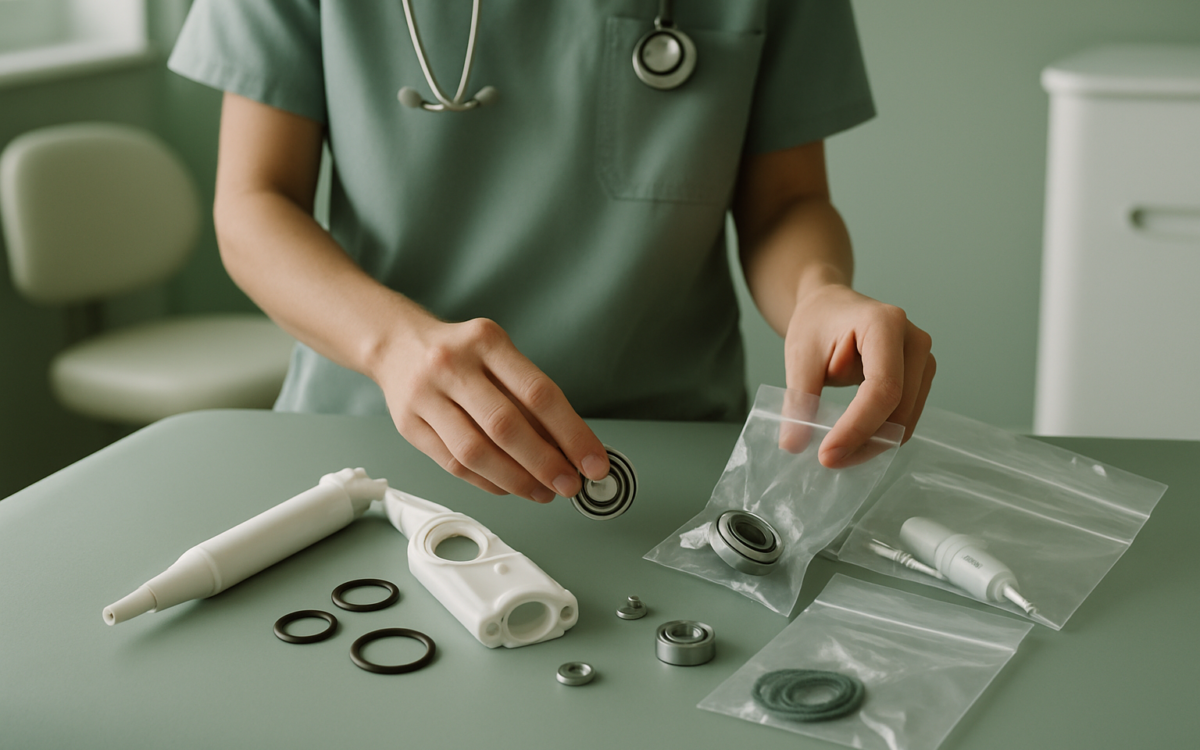
In the fast-paced world of healthcare, every detail counts—especially when it comes to the equipment used in clinics and hospitals. From diagnostic tools to surgical instruments, the reliability of medical devices is crucial. That’s where clinic repair parts come into play. Understanding their importance not only helps clinics maintain high standards but also ensures patient safety.
The Importance of Clinic Repair Parts
Clinic repair parts are essential components that help keep medical equipment functioning properly. Just like cars need specific parts replaced to stay roadworthy, medical devices require timely repairs to ensure they perform safely and effectively. When equipment malfunctions, it can compromise patient care and lead to significant health risks.
Types of Common Clinic Repair Parts
Different medical devices often require unique types of repair parts. Here’s a look at some common categories:
- Diagnostic Equipment: Devices like blood pressure monitors and ultrasound machines might need sensors, cables, or display units replaced.
- Imaging Machines: MRI and CT scanners often require components such as coils, valves, or rotors, which may wear out over time.
- Surgical Instruments: Instruments like scalpels or forceps may require sharpening or replacement of specific parts to maintain their functionality.
- Furniture and Fixtures: Examination tables and chairs often need replacement components like wheels, leg rests, or padding.
Choosing the Right Repair Parts
When it comes to replacing clinic repair parts, it’s essential to select the correct items. Using non-genuine parts can sometimes lead to issues down the line. Here are some tips:
- Compatibility: Always ensure the part is compatible with your specific equipment model.
- Quality Standards: Look for parts that meet industry standards or certifications for safety and reliability.
- Supplier Reputation: Purchase from reputable suppliers known for the quality of their products. A well-regarded supplier can provide valuable guarantees and support.
Maintenance Tips for Clinics
Maintaining clinic equipment not only prolongs its life but also enhances patient safety. Here are some maintenance tips:
- Regular Inspections: Schedule regular checks for all equipment to identify and address wear and tear before they cause issues.
- Cleaning Protocol: Follow proper cleaning protocols to ensure that equipment remains hygienic and safe for patient use.
- Documentation: Keep detailed records of maintenance and repairs for each piece of equipment. This helps in tracking performance trends and anticipating future needs.
The Global Perspective on Medical Equipment Repair
The need for proper maintenance and repair of medical equipment transcends borders. In countries like Turkey, clinics may seek specialized parts or treatment options that enhance their capabilities. If you’re considering treatment in Turkey, it’s useful to know that the availability of quality repair parts can influence the efficiency of healthcare delivery there.
When to See a Doctor
A well-maintained clinic ensures that healthcare professionals can provide effective treatments. If you experience any issues with medical devices at a clinic, don’t hesitate to report them. It’s vital for patient safety that repairs are addressed promptly.
Conclusion
In the realm of healthcare, paying attention to clinic repair parts is essential for maintaining high standards of patient care. Understanding the types of parts, how to choose them correctly, and implementing maintenance strategies can create a safer environment for patients and practitioners alike.
