
Milia are tiny, white cysts that often appear on the face, especially around the eyes and cheeks. Though they are generally harmless, many people seek out treatment to improve their skin’s appearance. Understanding what causes milia and how to effectively manage them can empower you when dealing with this common skin condition.
What are milia?
Milia are small, hard bumps that form when keratin, a protein found in the skin, becomes trapped beneath the skin’s surface. Although they can occur in anyone, they are most common in newborns, thanks to their underdeveloped skin. In adults, milia can develop from various factors such as skin damage, sun exposure, or the use of thick skin care products.
Causes of milia
Milia can develop due to several reasons:
- Environmental factors: Prolonged sun exposure can lead to skin damage, which may trigger the formation of milia.
- Skin injuries: Burns, blisters, or other injuries can cause the skin to form milia as part of the healing process.
- Thick skincare products: Some creams and ointments can clog pores, leading to milia, particularly in individuals prone to oily skin.
- Genetics: There may be a hereditary component, with some individuals being more prone to developing milia.
Treatment options for milia
While milia are usually harmless, those who wish to treat them have several options:
1. Professional extraction
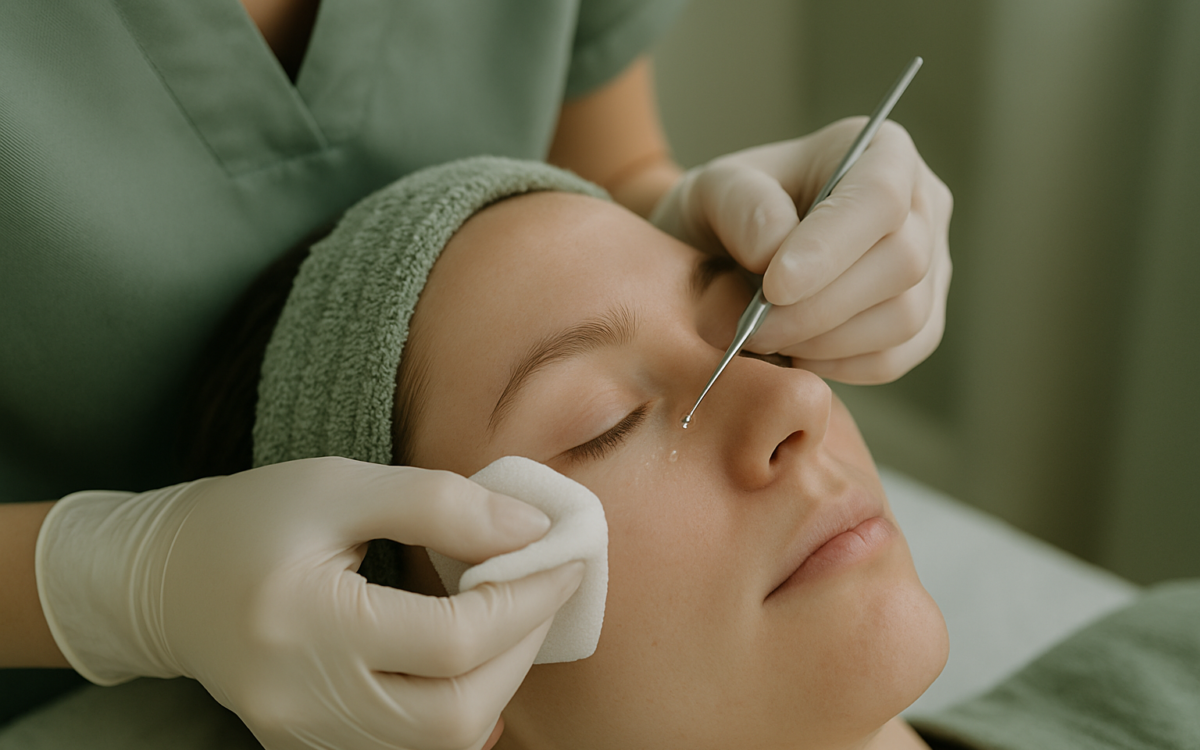
Consulting with a dermatologist is often the safest way to remove milia. They can use sterile tools to extract the cysts safely, minimizing the risk of scarring or infection. This method is typically quick and should be performed with proper hygiene practices.
2. Chemical peels
Chemical peels, which involve applying a solution to the skin to exfoliate its surface, can help in the removal of milia. They work by sloughing off dead skin cells and promoting new cell turnover. A dermatologist can recommend the right type of peel based on your skin type and condition.
3. Topical retinoids
Topical retinoids are derivatives of vitamin A that help enhance skin cell turnover. They can be useful in preventing milia and are often recommended for individuals dealing with recurrent bouts. However, they may cause redness or peeling, so it’s important to follow a dermatologist’s guidance when using them.
4. Home remedies
Some people opt for natural methods at home to manage milia. These may include:
- Exfoliation: Gentle exfoliation can help remove dead skin cells that contribute to milia formation.
- Steam treatments: Using steam can help open up pores and may facilitate mild extraction of milia.
- Aloe vera: Known for its soothing properties, aloe vera gel may help improve overall skin health and reduce milia.
While these remedies can be helpful, it’s crucial to consult with a healthcare professional before starting any treatment, especially if you’re unsure about your skin type.
Preventive measures for milia
Taking steps to prevent milia can save time and effort in treatment:
- Use non-comedogenic products: Choose skincare products labeled as non-comedogenic, as they are specifically formulated not to clog pores.
- Practice sun protection: Always wear sunscreen and protective clothing when spending extended periods outdoors to minimize sun damage.
- Regular exfoliation: Incorporating gentle exfoliation routines can help promote skin renewal and potentially reduce milia formation.
When to see a doctor
If you notice milia that persist despite home care, are bothersome, or seem to be getting worse, it might be time to consult a dermatologist. They can accurately diagnose any underlying issues and provide a tailored treatment plan suitable for your skin type.
Conclusion
Milia can be an annoying yet harmless skin condition. Understanding their causes and the variety of treatment options available can help you decide the best path for your skin health. By practicing good skincare habits and consulting with a professional when needed, you can keep your skin smooth and radiant.
