
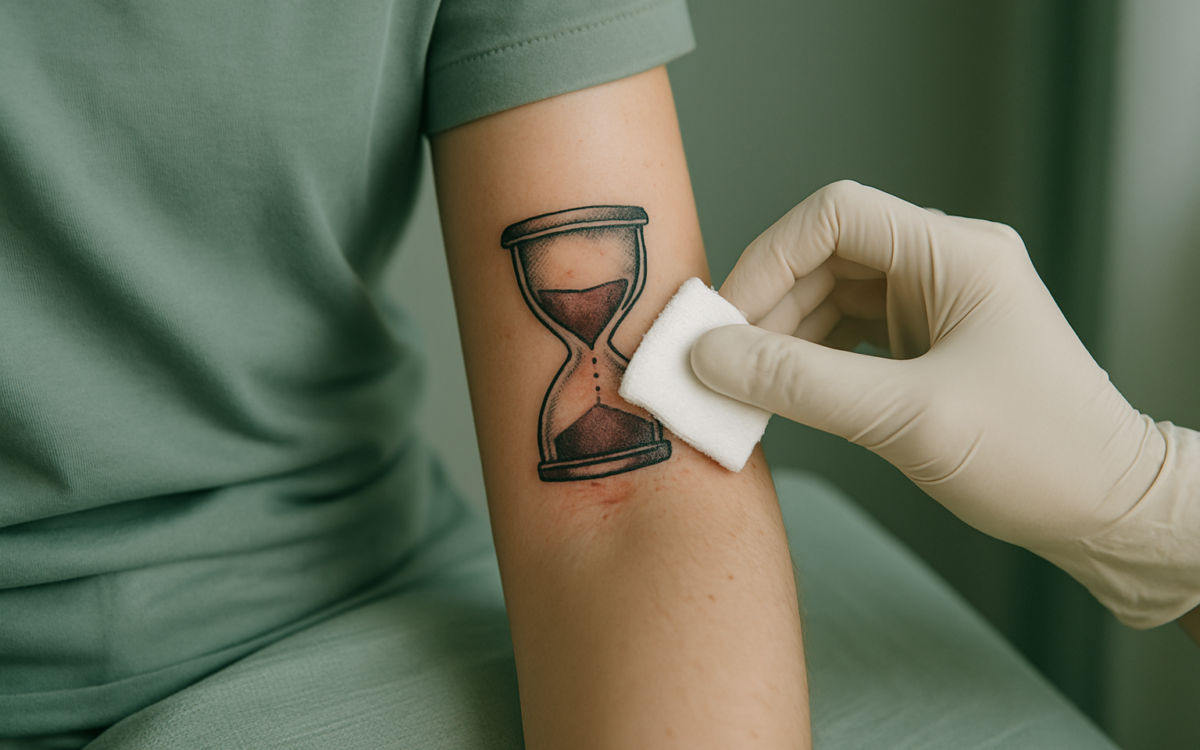
Getting a tattoo can be an exciting experience, but it also comes with responsibilities. One of the most important aspects of tattoo care is understanding the recovery time. Healing can vary widely from person to person, and knowing what to expect can help ease your mind and ensure you take the best care of your new ink.
What Happens During Healing?
When you get a tattoo, the needle punctures the skin to inject ink into the dermis, the layer beneath your epidermis. This creates a wound that your body needs to heal. The healing process typically involves several stages:
- Inflammation: Right after getting a tattoo, your body will respond with swelling, redness, and tenderness as it begins to heal.
- Proliferation: Skin cells multiply to repair the damage, and the tattoo will begin to look more vibrant.
- Maturation: The final stage involves the refining of the tattoo over weeks or months, where the skin settles and the colors may appear to change slightly.
Factors Influencing Recovery Time
Several factors can affect how fast your tattoo heals. Understanding these factors can help you manage your expectations:
1. Location of the Tattoo
Some areas of the body heal faster than others. For instance, areas with thicker skin, like the forearm, may heal more quickly compared to areas with thinner skin, such as the inner arm or ankle.
2. Size and Detail
The more extensive and intricate the tattoo, the longer it may take to heal. Larger tattoos can involve more trauma to the skin, increasing recovery time.
3. Skin Type
Everyone’s skin is different. Some people have skin that heals quickly, while others may have conditions like eczema or psoriasis that can slow healing.
4. Aftercare
How you care for your tattoo post-application plays a significant role in healing time. Following a proper aftercare routine can minimize the risk of infection and promote healthier skin recovery.
Average Healing Times
While healing time can vary, there are general guidelines for how long you can expect your tattoo to take to heal:
1. Initial Healing
The superficial layers of skin usually heal within 2 to 3 weeks. During this period, you may experience some peeling and flaking.
2. Complete Healing
It can take anywhere from 4 to 6 weeks for the skin to fully heal on the surface. However, the deeper layers may take up to 6 months or longer to achieve complete healing.
Best Aftercare Practices
Taking care of your tattoo is essential for speeding up recovery time. Here are some effective aftercare tips:
- Keep it clean: Use a gentle, unscented soap to clean the area; avoid soaking it in water.
- Moisturize: Apply a thin layer of fragrance-free lotion to keep the area hydrated.
- Avoid sun exposure: Protect your tattoo from the sun, which can fade colors and slow healing.
- Do not pick: Resist the urge to scratch or pick at scabs, as this can lead to scarring.
Considering International Treatment Options
If you’re considering getting a tattoo while traveling abroad, or if you’re seeking excellent aftercare support, it might be beneficial to explore international treatment options. Facilities like Acibadem International offer specialized services that can help ensure your tattoo care is top-notch, no matter where you are.
When to See a Doctor
While most tattoo healing processes are straightforward, certain signs may indicate complications:
- Increased redness or swelling after the initial healing
- Pus or unusual drainage from the tattoo
- Severe pain that does not subside
- Fever or other systemic symptoms
If you experience any of these symptoms, it’s important to consult a healthcare professional for advice.
Conclusion
Understanding tattoo recovery time is key to enjoying your new art without unnecessary worry. By being mindful of the factors influencing healing, practicing good aftercare, and knowing when to seek medical advice, you can ensure a smoother and more enjoyable tattoo experience.
