
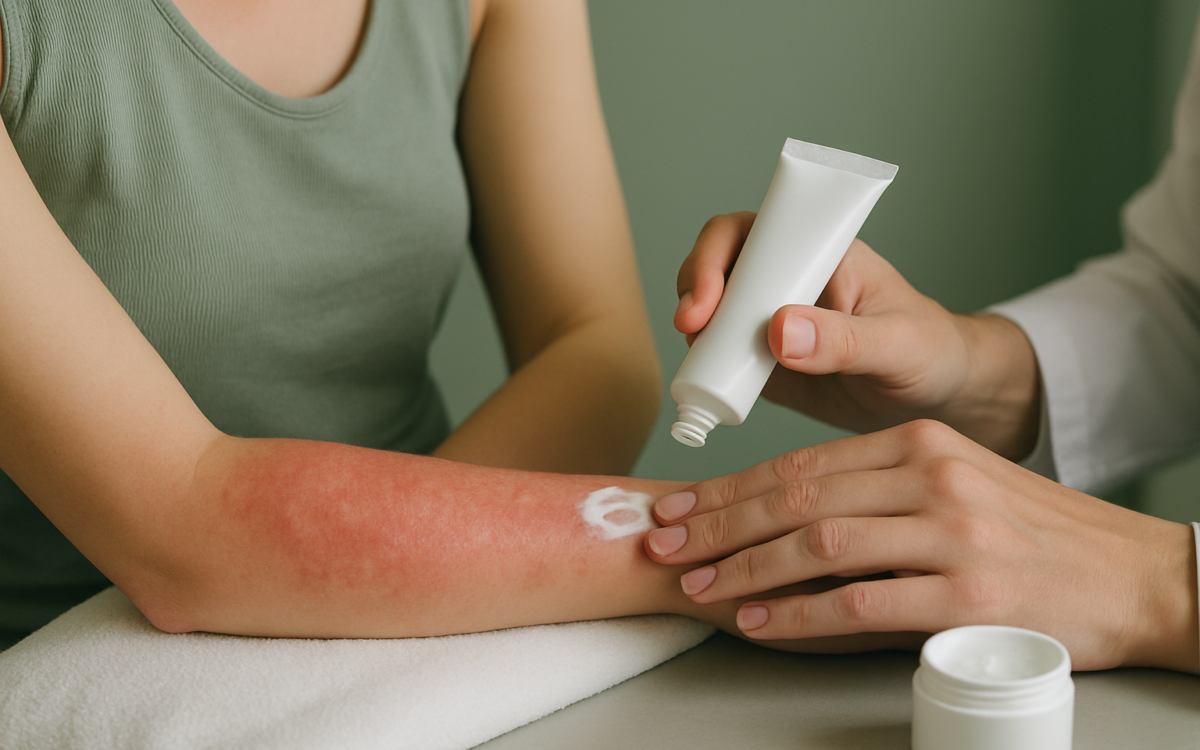
Have you ever enjoyed a sunny day outdoors only to regret it later? If you’ve experienced redness, blistering, or even fever following extensive sun exposure, you might be dealing with sun poisoning. This condition is a severe form of sunburn that can lead to uncomfortable symptoms and, in some cases, complications. Fortunately, there are ways to manage sun poisoning and promote healing. Let’s explore what it is, how to spot its symptoms, and the best treatments available.
What is sun poisoning?
Sun poisoning is not an actual poisoning but rather a term used to describe a severe reaction to ultraviolet (UV) rays from the sun. While a mild sunburn can be unpleasant, sun poisoning often causes more intense symptoms that can impact your daily routine. According to the National Institutes of Health, prolonged exposure to UV rays can damage the skin significantly, leading to sun poisoning.
Recognizing the symptoms
Spotting sun poisoning early can help in managing its symptoms quickly. Here are some common signs:
- Severe redness: A sunburn that is hot, painful, and excessively red.
- Blistering: The skin may form painful blisters that can ooze or peel.
- Swelling: The affected areas may swell, making the skin feel tight and sensitive.
- Itching or peeling: As the burn heals, the skin may itch or peel.
- Flu-like symptoms: Some people may experience fever, chills, headache, or nausea.
If you notice these symptoms after being in the sun, it’s crucial to start treatment right away.
At-home treatments for sun poisoning
Managing sun poisoning effectively often involves self-care methods. Here are some treatments you can try at home:
1. Cool the skin
Applying cool compresses to the affected areas can help alleviate heat and discomfort. Soak a clean cloth in cool water, wring it out, and gently place it on the burn. Avoid ice directly on the skin, as this can further aggravate the injury.
2. Moisturize
Once your skin has cooled down, apply a soothing moisturizer. Look for products that contain aloe vera or hyaluronic acid, as these ingredients can help hydrate the skin and promote healing. Avoid petroleum-based products that can trap heat and worsen symptoms.
3. Over-the-counter pain relief
Non-prescription pain relievers like ibuprofen or acetaminophen can help reduce pain and inflammation. Always follow the recommended dosages, and remember that while these medications can relieve symptoms, they do not directly speed up the healing process.
4. Stay hydrated
Sun poisoning can lead to dehydration, especially if there are signs of fever. Be sure to drink plenty of fluids, such as water or electrolyte-replenishing drinks, to help your body recover.
5. Avoid further sun exposure
Until your skin heals, it’s vital to stay out of the sun. If you must go outside, cover the affected areas with clothing and use a broad-spectrum sunscreen with an SPF of 30 or higher. Remember to reapply sunscreen every two hours.
When to see a doctor
While some cases of sun poisoning can be effectively treated at home, it’s essential to consult a doctor under certain circumstances. Seek medical attention if:
- Your blisters are extensive or cover a large area of your body.
- You experience severe symptoms such as high fever, chills, dizziness, or confusion.
- You notice signs of infection, like pus or increased redness around blisters.
- Symptoms worsen or do not improve within a few days.
– For further guidance, you can refer to the Mayo Clinic and their resources on skin care.
Preventing sun poisoning in the future
Understanding how to prevent sun poisoning is crucial for anyone who enjoys outdoor activities. Here are some effective prevention tips:
1. Use sunscreen
Select a broad-spectrum sunscreen with an SPF of 30 or higher. Apply it generously to all exposed skin, and reapply every two hours, especially after swimming or sweating.
2. Wear protective clothing
Long-sleeved shirts, hats with brims, and sunglasses can shield your skin from harmful UV rays. Fabrics with a UPF rating offer enhanced protection.
3. Seek shade
Whenever possible, try to stay in the shade, especially during peak sun hours between 10 a.m. and 4 p.m. This reduces your UV exposure significantly.
4. Be mindful of reflective surfaces
Sand, water, and concrete can reflect sunlight and increase your exposure. Take extra precautions if you’re near these surfaces.
5. Monitor UV index levels
Stay informed about the daily UV index in your area. If the UV index is high, take extra care when spending time outdoors.
Conclusion
Sun poisoning can be a distressing experience, but understanding how to manage your symptoms and prevent future occurrences can help you enjoy the outdoors safely. By applying cool compresses, moisturizing, staying hydrated, and using sunscreen, you can soothe your skin and aid in its recovery. However, if your symptoms are severe or worsening, consult a healthcare professional for more specific treatment options. Remember, taking precautions can ensure that your next sunny adventure is enjoyable, not painful.
