
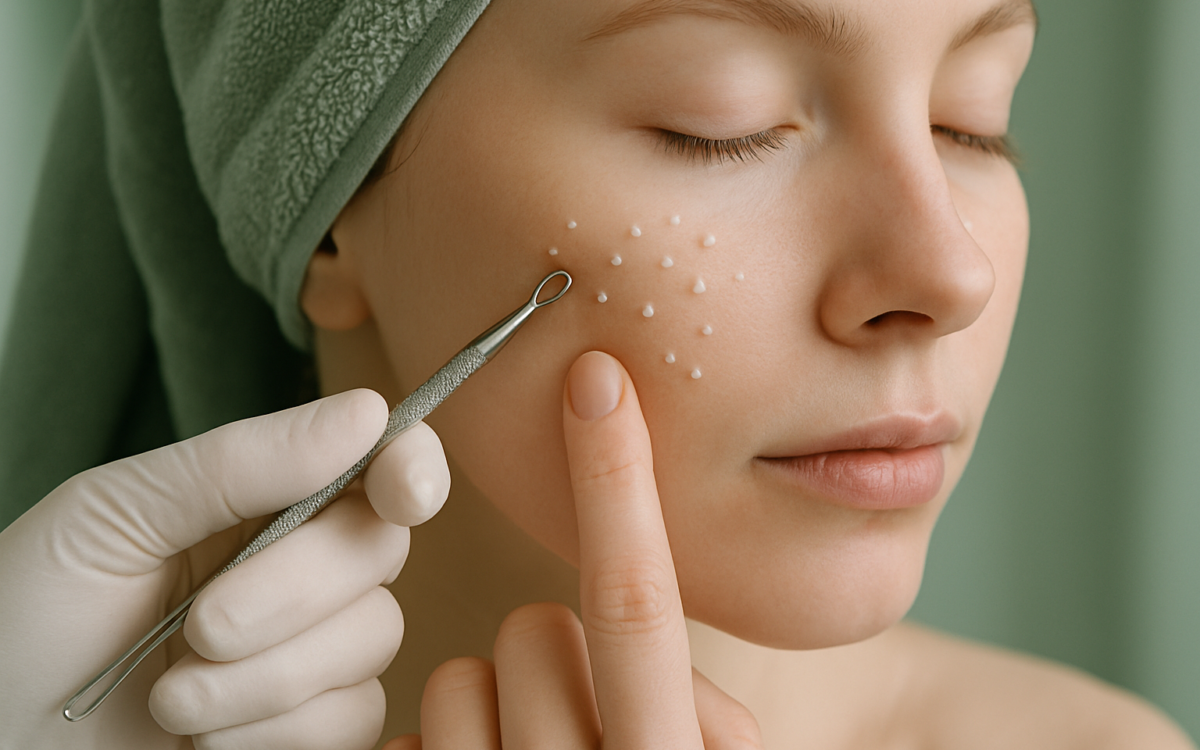
Whiteheads, a common form of acne, can be frustrating for many people. These small, raised bumps occur when hair follicles become clogged with oil and dead skin cells. Unlike blackheads, whiteheads are closed off from the air, giving them a white or light appearance. Fortunately, several effective approaches can help you manage and eliminate whiteheads.
Understanding Whiteheads
Whiteheads occur when a hair follicle becomes clogged with sebum (the natural oil produced by your skin) and dead skin cells. This type of acne is particularly common among teenagers but can affect anyone at any age. Factors like hormonal changes, stress, improper skincare, and dietary habits can contribute to the formation of whiteheads.
Gentle Cleansing
The first step in managing whiteheads is to establish a gentle cleansing routine. Using a mild, non-comedogenic cleanser twice daily helps prevent excess oil buildup.
Choosing the Right Cleanser
Look for cleansers that contain ingredients like salicylic acid or benzoyl peroxide. Salicylic acid helps exfoliate the skin and unclog pores, while benzoyl peroxide kills bacteria that contribute to acne breakouts. Avoid harsh scrubs or overly drying products, as these can irritate your skin and worsen the problem.
Exfoliation Techniques
Exfoliation helps remove dead skin cells that can clog pores. Regular gentle exfoliation can minimize whiteheads and improve overall skin texture.
Physical vs. Chemical Exfoliation
- Physical Exfoliation: Products with fine granules can help slough off dead skin when used gently once or twice a week. However, avoid harsh scrubs that may irritate your skin.
- Chemical Exfoliation: Look for products containing alpha-hydroxy acids (AHAs) like glycolic acid or beta-hydroxy acids (BHAs) like salicylic acid for a deeper exfoliation.
Topical Treatments
Several topical treatments can effectively reduce whiteheads. These products can be found over-the-counter or prescribed by a dermatologist.
Spot Treatments
Spot treatments containing ingredients like salicylic acid, benzoyl peroxide, or sulfur can be applied directly to whiteheads. These treatments target the spot and help reduce inflammation and clogged pores.
Retinoids
Retinoids, derived from vitamin A, can be particularly effective for preventing acne and whiteheads. They work by promoting cell turnover and preventing clogged pores. Retinoids are available over-the-counter or in stronger forms by prescription.
Home Remedies to Consider
Alongside products and treatments, a few natural home remedies may help in managing whiteheads.
Tea Tree Oil
Known for its antibacterial properties, tea tree oil can be diluted with a carrier oil and applied to affected areas to help reduce whiteheads.
Honey and Cinnamon Mask
A mixture of honey and cinnamon can be applied as a mask. Honey has natural antibacterial properties, while cinnamon helps reduce inflammation. Apply the mask for 10-15 minutes, then rinse off with warm water.
Aloe Vera
Aloe vera gel is soothing and can help reduce inflammation associated with whiteheads. Applying fresh aloe vera gel may offer relief and support healing.
Preventative Measures
While treating whiteheads is essential, adopting certain preventative measures can help keep them at bay.
Skincare Routine
Establish a consistent skincare routine focused on gentle cleansing, exfoliation, and moisturizing. This routine helps maintain skin balance and decrease the likelihood of whitehead formation.
Nutrition and Hydration
Eating a balanced diet rich in fruits, vegetables, and whole grains can support better skin health. Staying hydrated also helps keep your skin looking its best.
Avoid Picking
Picking or squeezing whiteheads can lead to scarring and more severe acne. Avoid touching your face and encourage a hands-off approach to skin care.
When to See a Doctor
If over-the-counter treatments and home remedies don’t effectively manage your whiteheads after several weeks or if you experience severe acne, it may be time to consult a healthcare professional. Dermatologists can recommend personalized treatments, including prescription medications or procedures, to help you achieve clearer skin. Understanding when to seek professional help can significantly influence your skin health journey.
Conclusion
Whiteheads can be managed and treated with a variety of methods, ranging from daily skincare routines to specific topical treatments. By being consistent and adopting healthy habits, you can significantly reduce their appearance. Remember, if home remedies and over-the-counter treatments do not yield the desired results, consulting a healthcare professional is always a wise choice. You deserve to feel confident in your skin!
